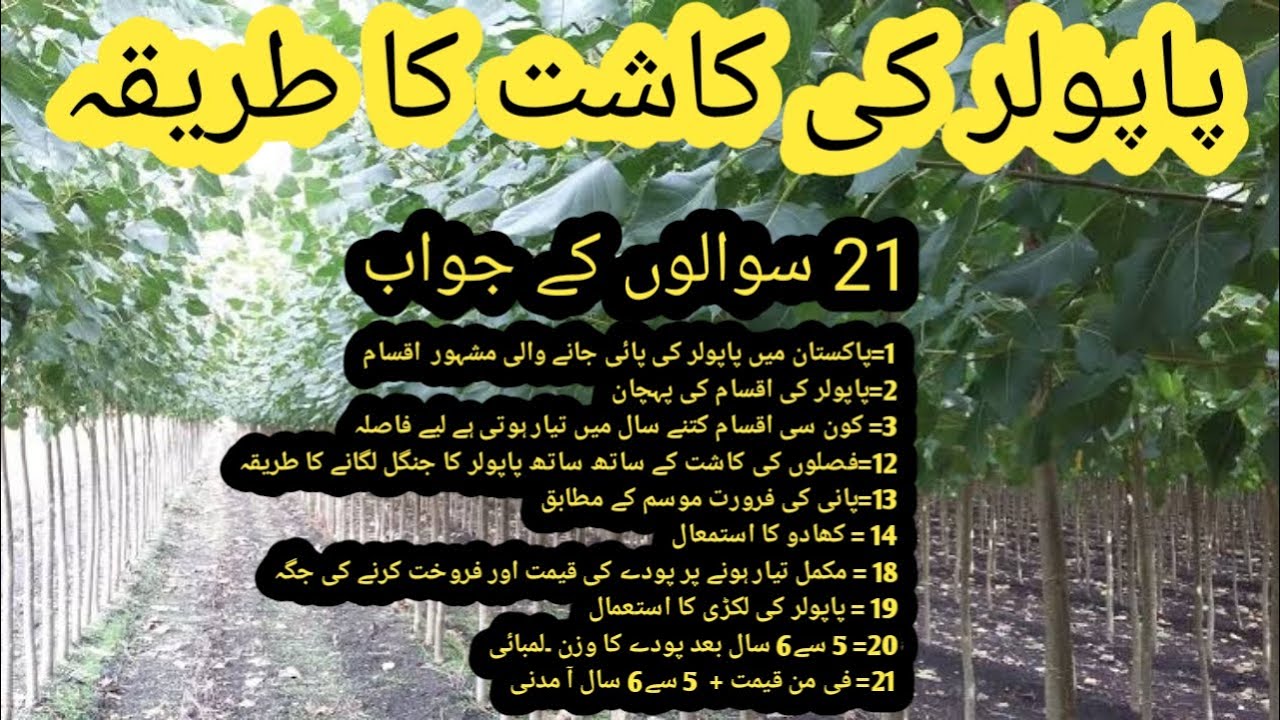
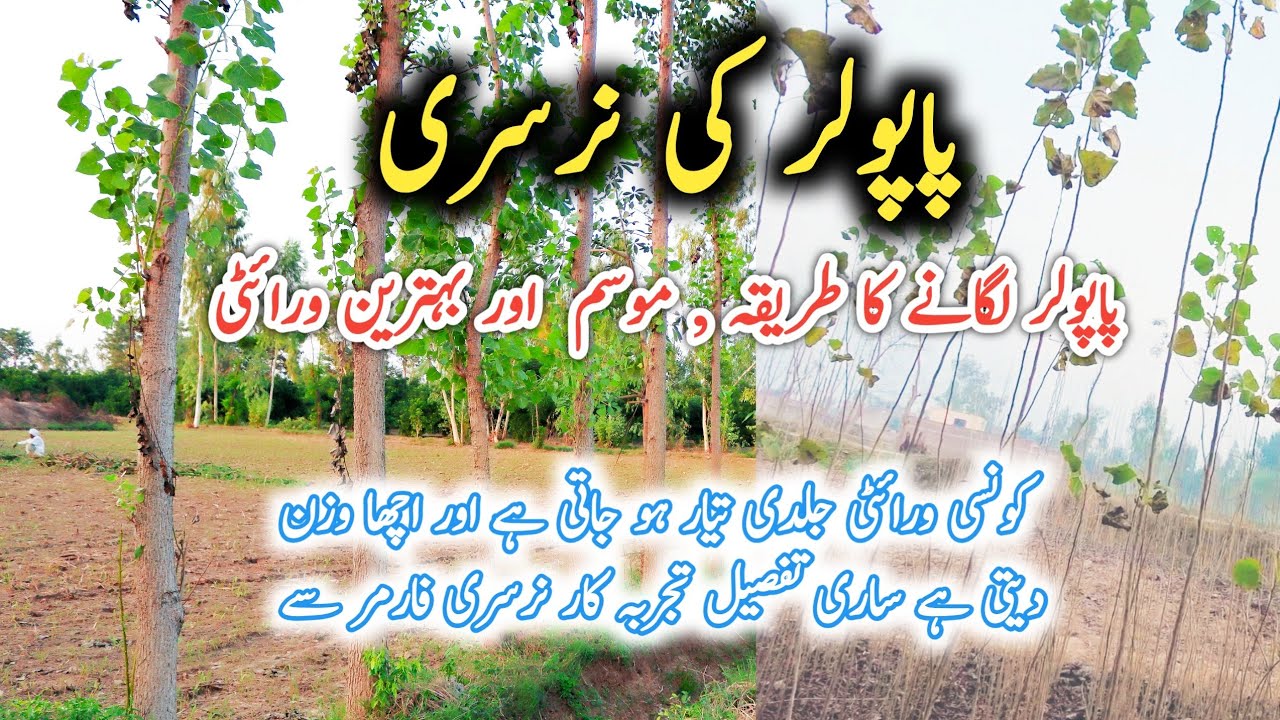
Papolar farming in pakistan/پاپولر درخت جو دے 50 لاکھ تک منافع/best furniture🪑wood tree🌳harvesting
Автор: Our plants
Загружено: 2024-03-01
Просмотров: 779
Описание:
Papolar farming in pakistan/پاپولر درخت جو دے 50 لاکھ تک منافع/best furniture 🪑wood tree🌳harvesting,
Paopalar farmimg in pakistan
Poplar Trees:
Varieties: Poplar trees encompass various species and hybrids, including the Eastern cottonwood (Populus deltoides), the trembling aspen (Populus tremuloides), and the hybrid poplar (Populus spp.).
Appearance: Poplar trees are typically tall, fast-growing deciduous trees with straight trunks and triangular or diamond-shaped leaves. They are known for their distinctive, fluttering foliage due to the movement of their leaves in the wind.
Habitat: Poplar trees are adaptable to a wide range of soil types and climates, although they prefer moist, well-drained soil and full sunlight. They are often found near rivers, streams, and other water bodies.
Uses: Poplar trees have various uses, including timber production for furniture, plywood, and pulpwood for papermaking. Some species are also cultivated for ornamental purposes in landscapes and urban areas.
Cottonwood Trees:
Varieties: Cottonwood trees are part of the poplar genus (Populus), and several species are commonly referred to as cottonwoods, including the Eastern cottonwood (Populus deltoides), the black cottonwood (Populus balsamifera), and the Fremont cottonwood (Populus fremontii).
Appearance: Cottonwood trees are characterized by their broad, triangular-shaped leaves with serrated edges. They are deciduous and typically grow to be large, tall trees with spreading canopies.
Habitat: Cottonwood trees thrive in moist or wet environments, often growing along riverbanks, floodplains, and other areas with abundant water sources. They are commonly found throughout North America and parts of Europe and Asia.
Uses: Cottonwood trees have similar uses to other poplar species, including timber production, pulpwood for papermaking, and ornamental landscaping. Additionally, their lightweight wood is sometimes used for making crates, boxes, and pallets.
Common Characteristics:
Fast Growth: Both poplar and cottonwood trees are known for their rapid growth rates, making them popular choices for reforestation, erosion control, and windbreaks.
Environmental Benefits: Poplar and cottonwood trees provide various environmental benefits, including carbon sequestration, soil stabilization, and habitat for wildlife.
Propagation: Both poplar and cottonwood trees can be propagated through seeds, cuttings, or tissue culture techniques.
Maintenance: These trees generally require minimal maintenance once established, although regular pruning may be necessary to remove dead or diseased branches and promote healthy growth.
Market Demand: The demand for poplar and cottonwood products, such as timber, pulpwood, and specialty wood products, can fluctuate based on economic conditions, consumer preferences, and industry trends. Higher demand typically leads to higher prices and increased profitability.
Yield per Acre: The yield per acre of poplar and cottonwood trees depends on factors such as tree species, genetics, site conditions, and management practices. Fast-growing hybrid varieties may yield higher volumes of wood and, consequently, higher profits over a shorter period.
Production Costs: Production costs include expenses associated with land acquisition, site preparation, planting, maintenance (e.g., fertilization, irrigation, pest control), harvesting, and transportation. Minimizing production costs through efficient management practices can enhance profitability.
Rotation Period: The rotation period refers to the time it takes for poplar and cottonwood trees to reach harvestable sizes. Shorter rotation periods result in quicker returns on investment but may require more intensive management.
Value-added Products: Exploring opportunities to produce value-added products from poplar and cottonwood trees, such as furniture, flooring, and specialty wood products, can increase profitability by capturing higher market prices.
Environmental Factors: Environmental factors, such as climate, soil conditions, and water availability, can affect tree growth rates and overall productivity, thereby influencing profitability.
Lagany ka tarika
Mosam kon sa ho
Kintny pody lgty h
Ek khait kitna pysa dyta h sb ek video main.
#tree
#harvest
#farming
#plants #grafting #garden #rose
Повторяем попытку...

Доступные форматы для скачивания:
Скачать видео
-
Информация по загрузке: