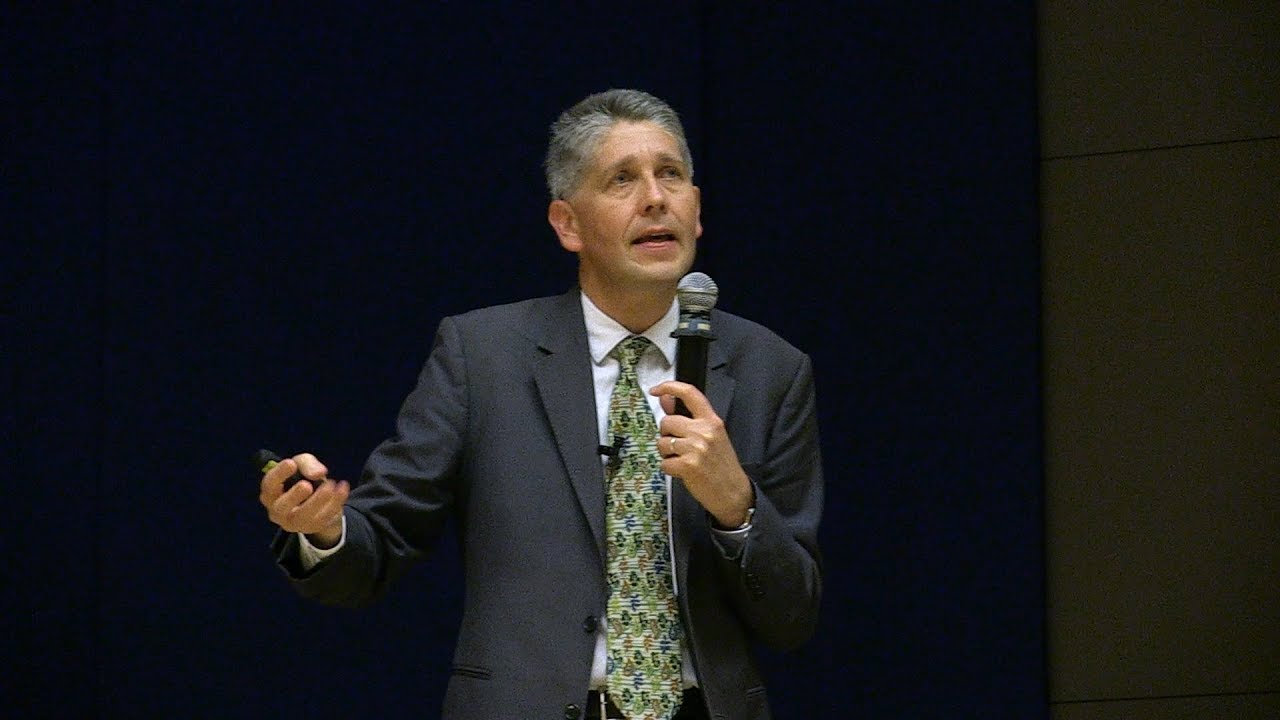
Voluntary action and conscious experience, Patrick Haggard
Автор: Copernicus
Загружено: 2018-07-24
Просмотров: 3938
Описание:
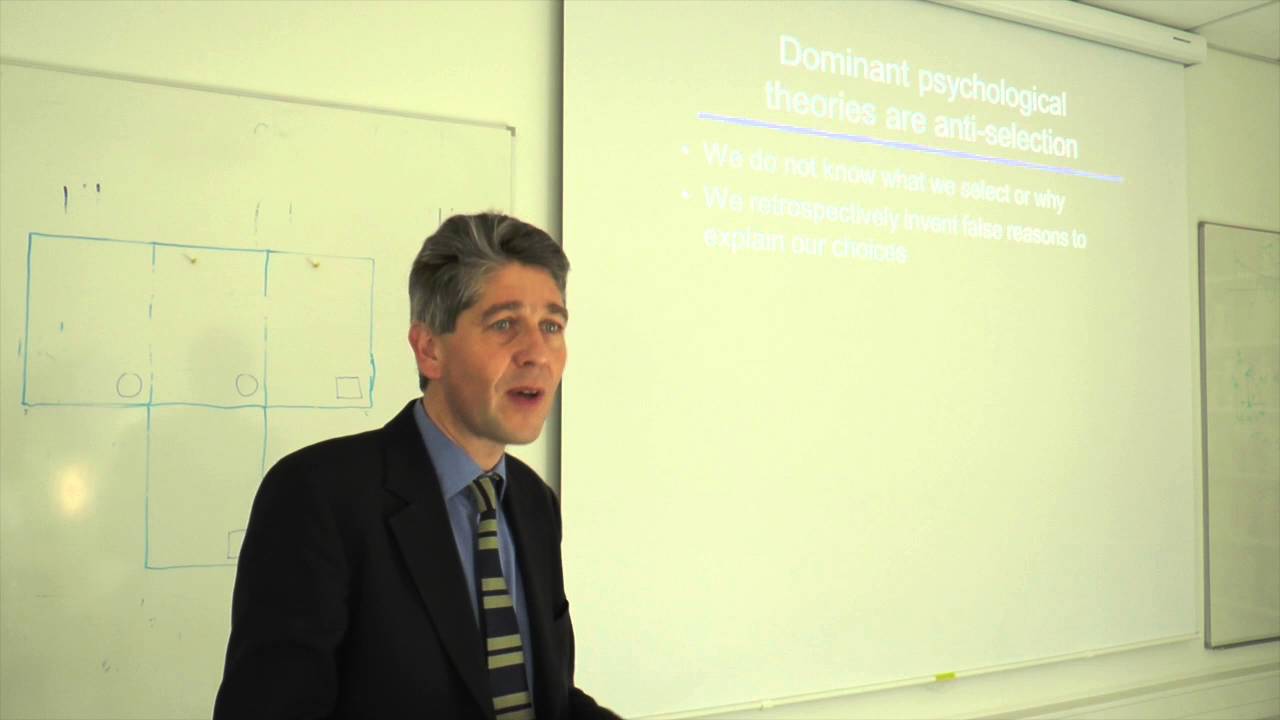
What do we know about what we are doing, and how do we know it? The conscious experience of our own actions has a history of puzzling contradictions: our body movements often appear entirely automatic, yet we are convinced of the power of ‘conscious free will’. Experimental psychology largely abandoned the problem of volition in the 20th century, because of the lack of scientific methods for studying volition, coupled with the elusive nature of its phenomenology. Professor Haggard discusses some ways that awareness of intentional action differs from other conscious states, and some of the problems this raises for scientific studies. He argues we should not simply avoid these problems, because it is hard to imagine any conscious experience with more societal relevance than volition. The entire concept of social and legal responsibility in many modern societies is based on “mens rea”. This concept captures the belief that we are conscious of our intentions, and that this somehow allows us to control our actions.
This talk focusses on the conscious experience of intention that accompanies simple manual action in adult humans. Is this experience generated prospectively, as a perception-like read out of motor preparation? Or is it more like a retrospective inference, made after the fact of our movement? Finally, how does this conscious experience relate to the features of our actions that we care about, such as their goal-directedness and reasons-responsiveness?
Patrick Haggard, Institute of Cognitive Neuroscience, University College London & Chaire Blaise Pascal, Laboratoire de Neurosciences Cognitives, Département d’Études Cognitives, École Normale Supérieure, Paris.
Повторяем попытку...
Доступные форматы для скачивания:
Скачать видео
-
Информация по загрузке: