Using a DIY Soil Tester to amend your garden soil naturally
Автор: MyFarmingFriends
Загружено: 2025-02-15
Просмотров: 473
Описание:
Amending garden soil doesn’t have to be expensive—crop rotation is a natural and budget-friendly way to keep your soil healthy and productive. Instead of buying loads of fertilizers every season, rotating crops helps replenish nutrients by letting different plants take and give back to the soil in their own way. For example, heavy feeders like tomatoes and corn use up a lot of nitrogen, while legumes like beans and peas actually restore nitrogen levels. By rotating these crops each season, you reduce the need for extra fertilizers and keep your soil naturally balanced.
Another way crop rotation helps your soil (and your wallet) is by preventing pest and disease buildup. When the same plants grow in the same spot year after year, pests and diseases that target those plants thrive, leading to more money spent on treatments and lost crops. Rotating plant families—such as moving leafy greens where root vegetables grew last year—interrupts pest cycles and makes it harder for diseases to take hold. Healthier plants mean better yields with less need for costly pesticides or soil treatments.
Over time, rotating crops also improves soil structure and reduces the need for expensive amendments. Deep-rooted plants like carrots and radishes help break up compacted soil, while cover crops like clover or rye add organic matter and improve drainage. By planning your garden with rotation in mind, you can naturally build up rich, fertile soil while cutting down on costs. It’s a simple yet effective way to keep your garden thriving year after year without breaking the bank!
Another great way to improve your soil while saving money is by using red wiggler worms to create nutrient-rich earthworm castings. These little composting champions break down organic matter like vegetable scraps, coffee grounds, and shredded paper, turning them into a natural, nutrient-packed fertilizer. Instead of buying expensive soil amendments, you can set up a simple worm bin and let the worms do the work for you. When mixed into garden beds, worm castings improve soil structure, boost beneficial microbes, and provide plants with slow-release nutrients, all without the risk of chemical buildup. Pairing worm composting with crop rotation creates a sustainable, low-cost way to keep your garden soil healthy and full of life!
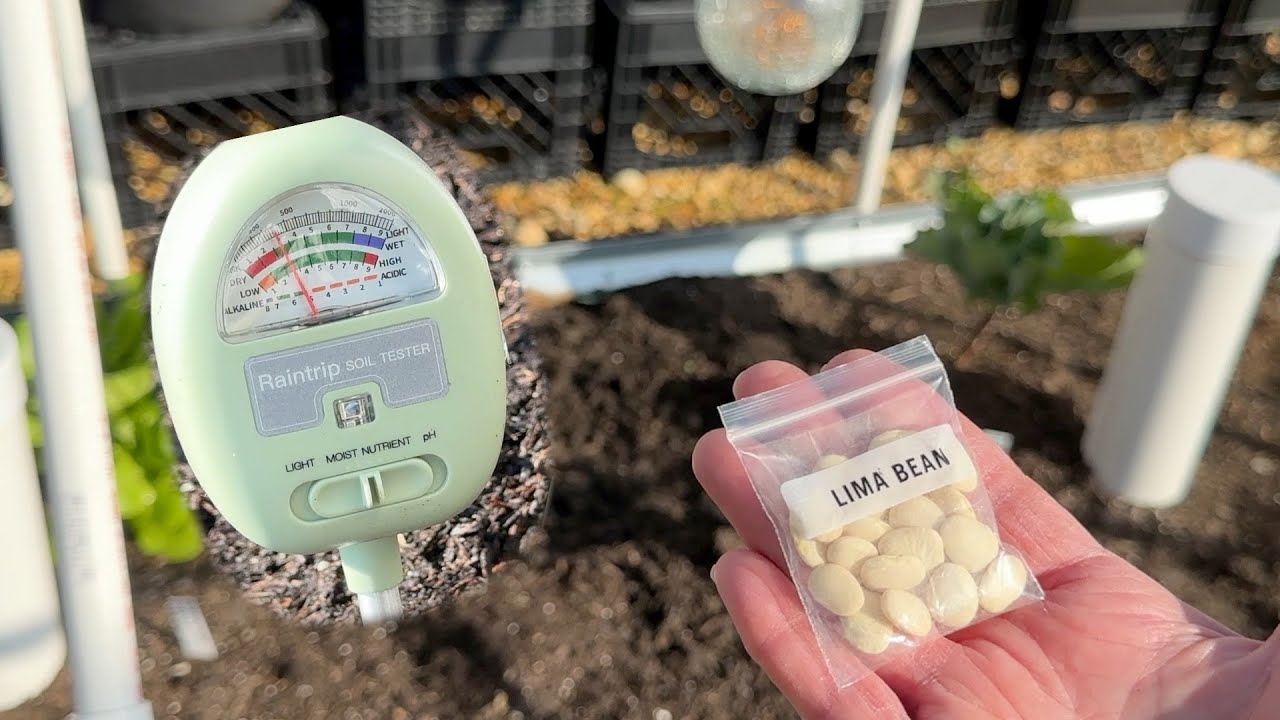
Testing your garden soil with a simple soil tester is an easy way to make sure your veggies have everything they need to grow strong and healthy. Different plants like different soil conditions, but most vegetables do best with a slightly acidic to neutral pH (around 6.0 to 7.0). If your soil is too acidic or too alkaline, your plants might struggle to absorb nutrients properly. A quick test lets you know if you need to add something like lime to raise the pH or sulfur to lower it. Some soil testers also check nutrient levels, like nitrogen, phosphorus, and potassium—three key ingredients for happy plants. By testing before you plant, you can give your soil the right boost, avoid wasting money on unnecessary fertilizers, and enjoy a more productive, thriving garden!
https://www.myfarmingfriends.com
Thanks for watching! Please follow us on Facebook:
/ myfarmingfriends
Please SUBSCRIBE to our channel. It's FREE!
Повторяем попытку...
Доступные форматы для скачивания:
Скачать видео
-
Информация по загрузке:


![✅ Топ-5: Лучшие измерители влажности почвы для растений 2023 года [Протестировано и проверено]](https://image.4k-video.ru/id-video/3WsVE83TrBY)