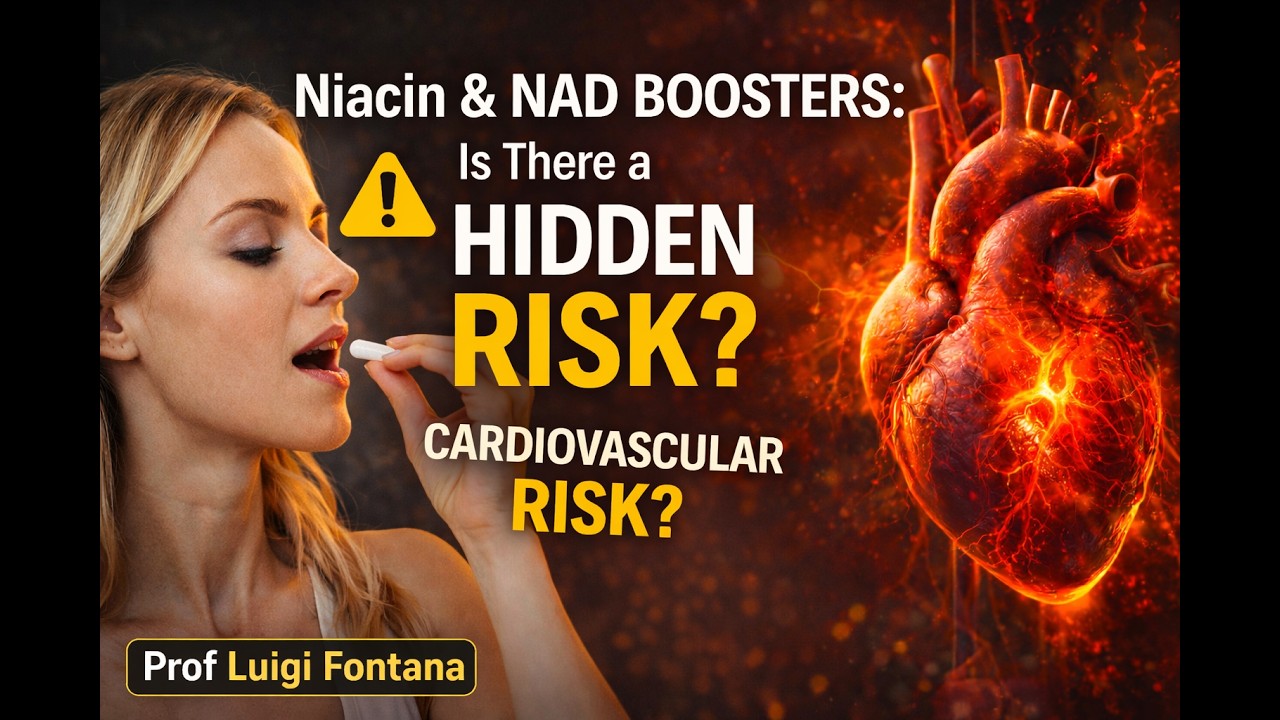
Niacin supplements & NAD boosters increase vascular inflammation/cardiovascular mortality | Fontana
Автор: Longevity-NOW-FL | Prof Luigi Fontana, MD, PhD
Загружено: 2024-03-18
Просмотров: 2805
Описание:
Actung. Have you been relying on supplements or other substances to possibly prolong your healthspan or lifespan? Then, It's crucial to take note of recent findings published in Nature Medicine.
https://www.nature.com/articles/s4159...
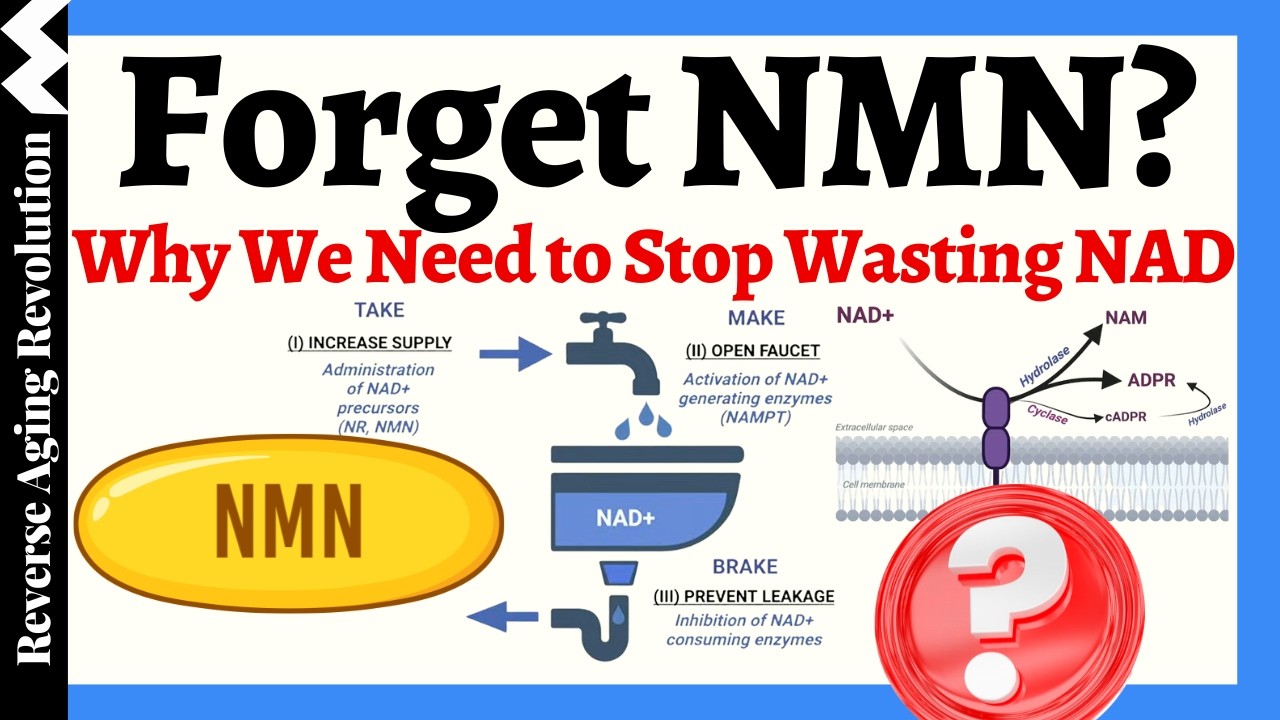
These new data highlight a concerning finding regarding the excessive consumption of niacin (vitamin B3) and NAD-boosting supplements. The study reveals that 2 terminal metabolites of niacin and NAD metabolism are clinically linked to CVD and vascular inflammation, regardless of traditional risk factors. This suggests that overuse of niacin supplements or NAD-boosting molecules like nicotinamide riboside and nicotinamide mononucleotide (NMN) could potentially exacerbate vascular inflammation and increase the risk of CVD, despite claims of anti-aging benefits based on inconclusive underpowered trials.
For those who know me, it's evident that I've long been cautious about supplements, advocating for their use only when clinically necessary due to identified deficiencies. The recent study underscores this cautionary approach, revealing that certain supplements or CR-mimetics may not only fail to impact aging but could increase mortality. It's a stark reminder to exercise prudence. Before considering any supplement, it's crucial to rely on solid RCTs that affirm both safety and efficacy.
Let’s go back to the study. By employing untargeted metabolomics as a discovery tool, alongside subsequent structural elucidation studies and rigorous validation, genetic, and vascular functional analyses, Ferrell et al. demonstrated that two terminal metabolites arising from niacin and NAD metabolism are clinically correlated with cardiovascular disease (CVD) irrespective of traditional risk factors. Additionally, both metabolites are genetically associated with vascular inflammation.
Niacin, commonly found in fortified food staples, plays a role in NAD synthesis and has been observed to increase circulating levels of 2PY and 4PY when consumed excessively, whether as an over-the-counter supplement, a cholesterol-lowering medication, or, even worst as a NAD booster. The findings from this study suggests that the terminal metabolites of excessive niacin intake, particularly 4PY, are linked to increased risks of major adverse cardiovascular events (MACE) and may contribute to the underlying mechanisms of residual cardiovascular disease risk through inflammatory pathways, including the direct enhancement of VCAM-1 expression. Both laboratory-based and in vivo investigations indicate that 4PY can act as a catalyst for vascular inflammation and contribute to vascular phenotypes relevant to the initiation and development of CVD. Recent clinical trials have even revealed that while niacin can lower LDL cholesterol and elevate high-density lipoprotein (HDL) cholesterol while reducing triglyceride levels, when used alongside high-potency statin therapy, niacin not only fails to mitigate CVD risk but, according to a meta-analysis of the latest trials, may even increase overall mortality.
Niacin is prevalent in Western diets, with recommended daily allowances varying based on age and sex, typically ranging from 14 to 18 mg. Despite its natural abundance in foods like tuna and peanuts ( e.g. 100 g tuna contain 22 mg of niacin, 100 g of brown rice contain 2.6 mg, 100 g of Peanuts (Dry Roasted) contain 14.4 mg) over 50 nations, including the United States, mandate niacin fortification in staple foods to prevent pellagra. Moreover, approximately 36% of US residents reported supplementing with niacin between 1999 and 2010, leading to an estimated daily consumption of 35 mg in 2010, which tripled the recommended intake. Recent surveys suggest an average daily niacin consumption of 48 mg, that is more than triple the recommended daily allowance. Additionally, NAD-boosting supplements like nicotinamide riboside and nicotinamide mononucleotide NMN also increase the levels of 2PY and 4PY. These supplements are often marketed for their alleged anti-aging benefits, despite incomplete weak clinical trials.
The findings from current studies suggest that optimal niacin supplementation may require a more tailored approach, balancing the replenishment of NAD pool members while avoiding excessive generation of 4PY. This nuanced strategy could help achieve intended health benefits without exacerbating risks associated with elevated 4PY levels.
In summary, it's crucial to exercise caution amidst the noisy abundance of information available, as not all of it is beneficial to your health. Don't blindly accept claims without proper evidence from well-designed RCTs regarding safety and efficacy. Remember, if a substance is powerful enough to extend lifespan, it can't be inherently safe at any dosage. Therefore, if something is deemed safe regardless of dosage, it's likely just plain water. Conversely, if a substance is potent, it must be approached with careful dosing to mitigate potential risks.
Повторяем попытку...
Доступные форматы для скачивания:
Скачать видео
-
Информация по загрузке:

![Massive New Study shows Niacin and NAD+ cause Heart Disease?? Is this true? [Study 282]](https://imager.clipsaver.ru/xInw3F2AVTg/max.jpg)