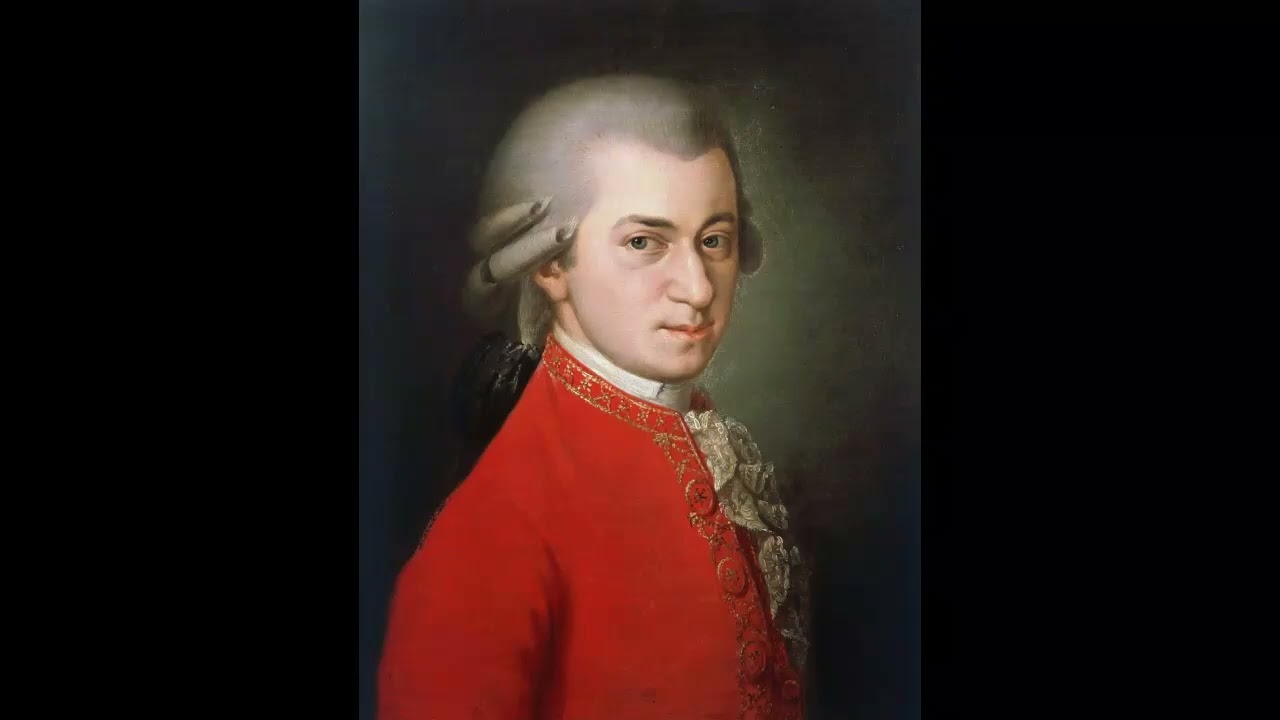
Mozart's The Marriage Of Figaro Overture, K 492 WOLFGANG AMADEUS MOZART
Автор: Classical Music 8701
Загружено: 2026-01-14
Просмотров: 105
Описание:
The Marriage of Figaro (Le nozze di Figaro) is widely considered one of the greatest operas ever written. Composed by Wolfgang Amadeus Mozart in 1786 with a libretto by Lorenzo Da Ponte, it is a masterpiece of opera buffa (comic opera) that balances slapstick humor with profound human emotion.
The story takes place over a single "day of madness" at the estate of Count Almaviva near Seville, Spain.
The Plot in a Nutshell
The story follows the attempts of the servants Figaro and Susanna to get married. Their primary obstacle is their employer, Count Almaviva, who has his eye on Susanna and intends to invoke his "feudal right" to sleep with her before her wedding.
Key Acts & Highlights
Act I: The Setup. Figaro and Susanna prepare their room. Figaro learns of the Count's intentions and vows to outwit him ("Se vuol ballare"). We also meet Cherubino, a love-struck teenage page boy who is infatuated with every woman in the castle.
Act II: The Intrigue. The Countess Rosina, grieving her husband's infidelity, teams up with Susanna and Figaro to trap the Count. They plan to dress Cherubino as Susanna to lure the Count into a trap.
Act III: The Revelation. In a shocking twist, it is discovered that Figaro is actually the long-lost son of his enemies, Marcellina and Dr. Bartolo. This clears the way for his wedding.
Act IV: The Forgiveness. In the garden at night, a series of mistaken identities (involving everyone wearing each other's clothes) leads to the Count being caught red-handed. The opera ends not with punishment, but with a beautiful plea for forgiveness and a general celebration.
Why It Matters
Social Subversion: Based on a controversial play by Pierre Beaumarchais, the opera was revolutionary for its time. It depicted servants who were smarter and more moral than their aristocratic masters.
Musical Characterization: Mozart used music to give each character a distinct "soul." For example, the Countess’s arias are slow and soulful, reflecting her heartbreak, while Figaro’s music is often energetic and "patter"-like.
The Overture: The opening music is one of the most famous orchestral pieces in history—a fast-paced, "buzzing" masterpiece that perfectly sets the frantic tone of the day to follow.
Повторяем попытку...
Доступные форматы для скачивания:
Скачать видео
-
Информация по загрузке: