IRAQ/UK: IRAQIS CRACKDOWN ON SMUGGLERS OF ANCIENT ARTEFACTS
Автор: AP Archive
Загружено: 2015-07-21
Просмотров: 93
Описание:
(27 Jul 1998) English/Nat
The Iraqi government has launched a major crackdown on smugglers of ancient artefacts.
Ministers say important archaeological sites are being damaged, with thousands of historical items being stolen and sold abroad.
Governors and security chiefs have been given sweeping powers to punish smugglers.
But so far, even threats of execution have done little to stem the tide of theft.
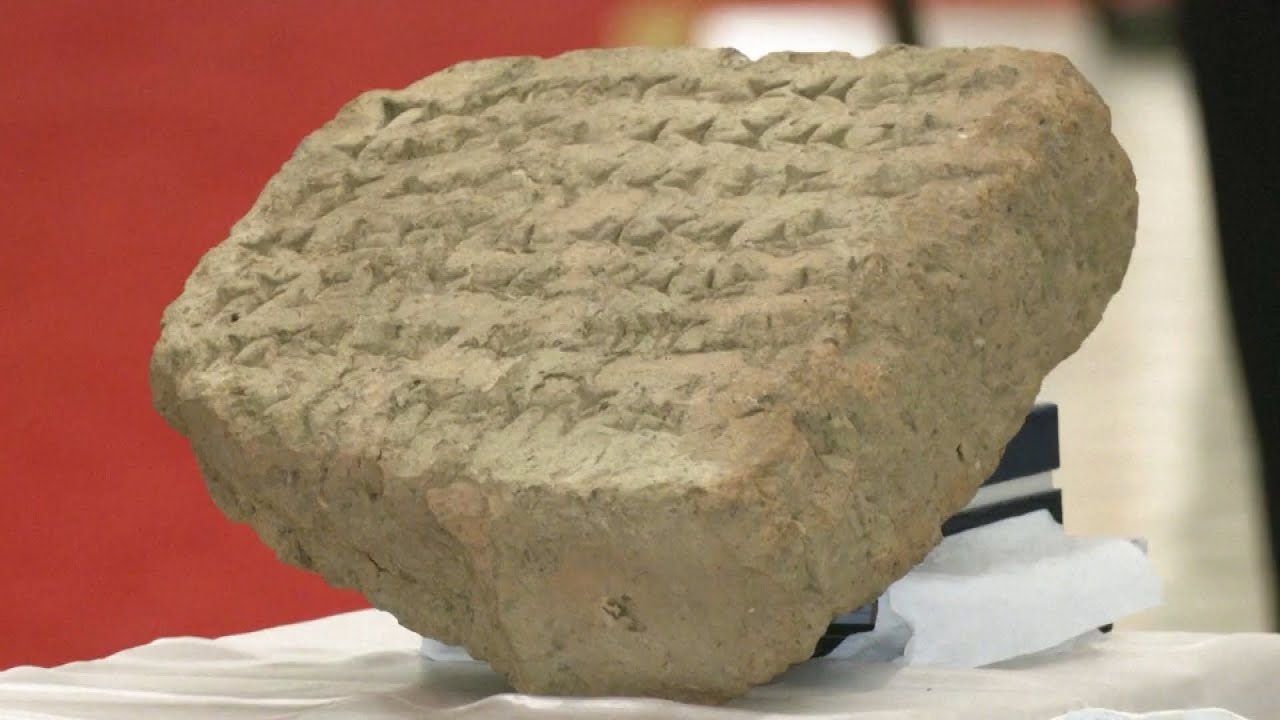
Mesopotamia - the land between the Euphrates and the Tigris - is known as the cradle of civilisation.
It was here that Sumerians invented writing, Assyrians invented the wheel and Babylonians discovered astrology and mathematics.
This area is now part of Iraq - which as a result of this heritage - has one of the world's richest sources of ancient artefacts.
New sites are constantly being discovered.
This five-thousand-year-old building was recently unearthed in Al-Namel, 320 kilometres (200 miles) north of Baghdad.
But as quickly as archaeologists discover new objects, ancient artefacts from other sites are being smuggled out of the country at an ever faster pace.
With the U-N sanctions against Iraq still in place, bandits are looting ancient sites and selling items abroad to make money.
SOUNDBITE:
"This matter is a big problem for Iraq now because it concerns the Iraqi heritage, and not only the Iraqi heritage but the mankind heritage. This idea is that a lot of theft has been going on and this idea is not just normal theft it is a kind of an organised crime."
SUPERCAPTION: Doney Gorge, head of Iraqi National Museum
Thieves were attempting to smuggle these artefacts out of Iraq when they were intercepted by customs officials at the border.
No exact figures are available on the number of missing pieces, but Iraq's antiquities department says the treasures stolen in the past few years could be enough to fill the shelves of a huge museum.
Iraqi antiquities staff say bandits have even used bulldozers to pilfer ancient sites.
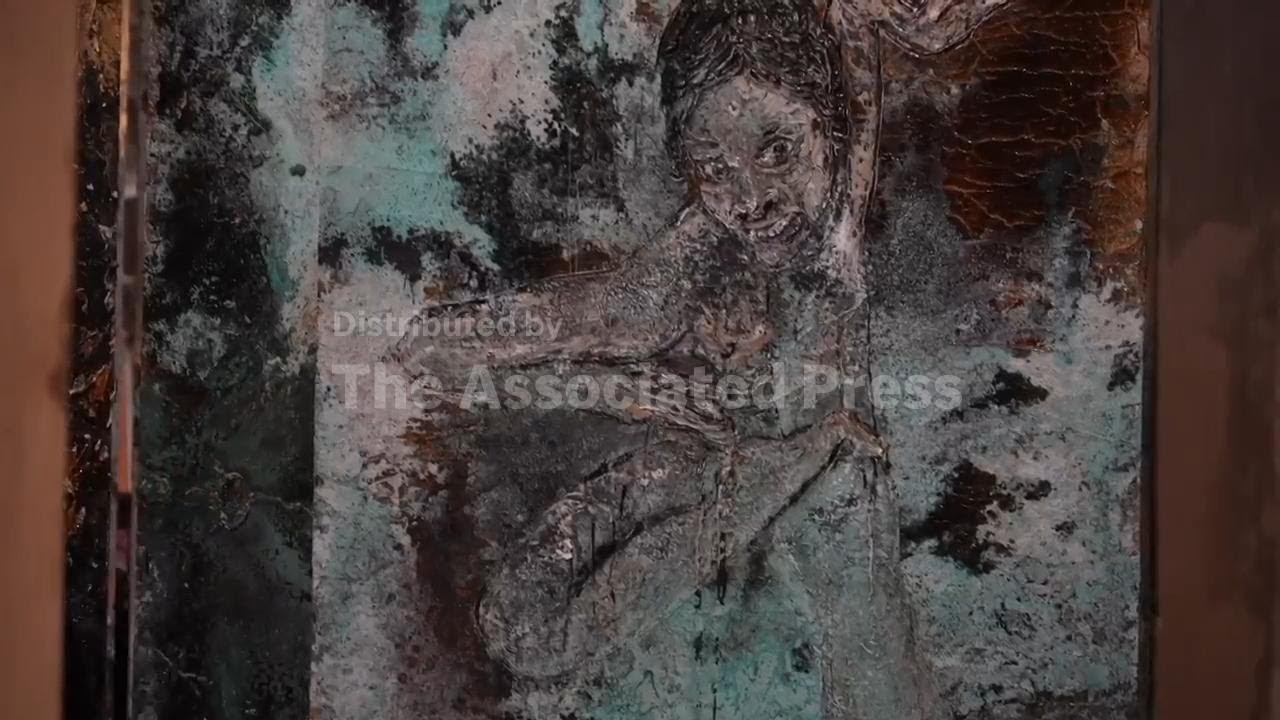
The remains of this winged bull was recovered by Iraqi authorities as smugglers attempted to bring it out of the country.
It's head had been sliced off to make it more portable.
This picture shows the intact bull before it was damaged.
SOUNDBITE:
"UNESCO is performing its task, and we think that we should continue to alert world public opinion as well as museums all over the world and organisations like Sothebys to help us trace some of these rare artefacts so they come back to Iraq."
SUPER CAPTION: Sishir Das, UNESCO special representative to Iraq
At the Art Loss Register in London, art historians spend their time tracking down stolen artefacts.
But one of the major problems in retrieving Iraqi items is that very few of them are properly listed or photographed.
As a result they are not on this computer data base.
SOUNDBITE:
"Iraq must catalogue their objects whether they be in museums or wherever, and take photos of these things. Having done that if the items are stolen then they can send the photos through Interpol or any other system around the world and it will end up on this data base, and then when that is done it will maximise the chances of recovery because we are searching the auction houses and dealers' catalogues of future sales and also responding to police and customs' inquiries."
SUPER CAPTION: James Emson, managing director of The Art Loss Register
Iraqi archaeologists are now under orders to map out all ancient sites.
Governors and security chiefs have been given new powers to punish smugglers.
Find out more about AP Archive: http://www.aparchive.com/HowWeWork
Twitter: / ap_archive
Facebook: / aparchives
Instagram: / apnews
You can license this story through AP Archive: http://www.aparchive.com/metadata/you...
Повторяем попытку...

Доступные форматы для скачивания:
Скачать видео
-
Информация по загрузке: