🪓 The Neanderthals | c. 60,000 BC
Автор: @itsaihistory
Загружено: 2025-10-22
Просмотров: 29237
Описание:
Who were the Neanderthals?
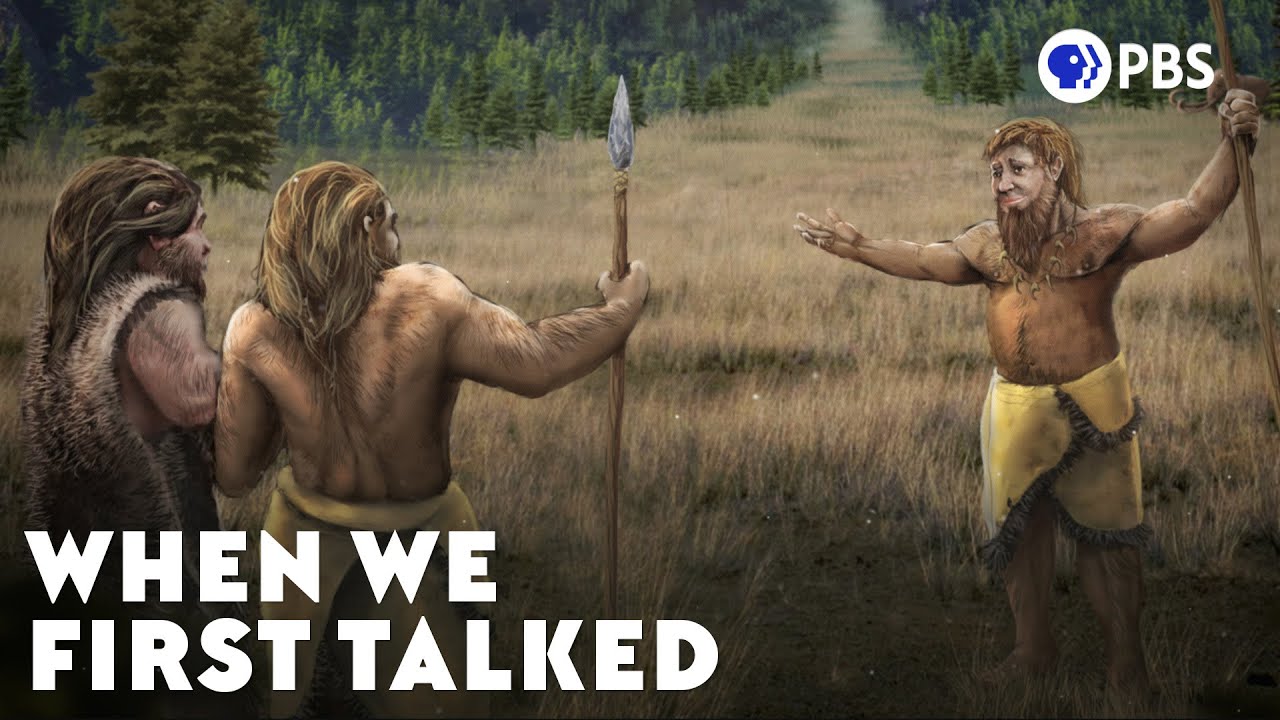
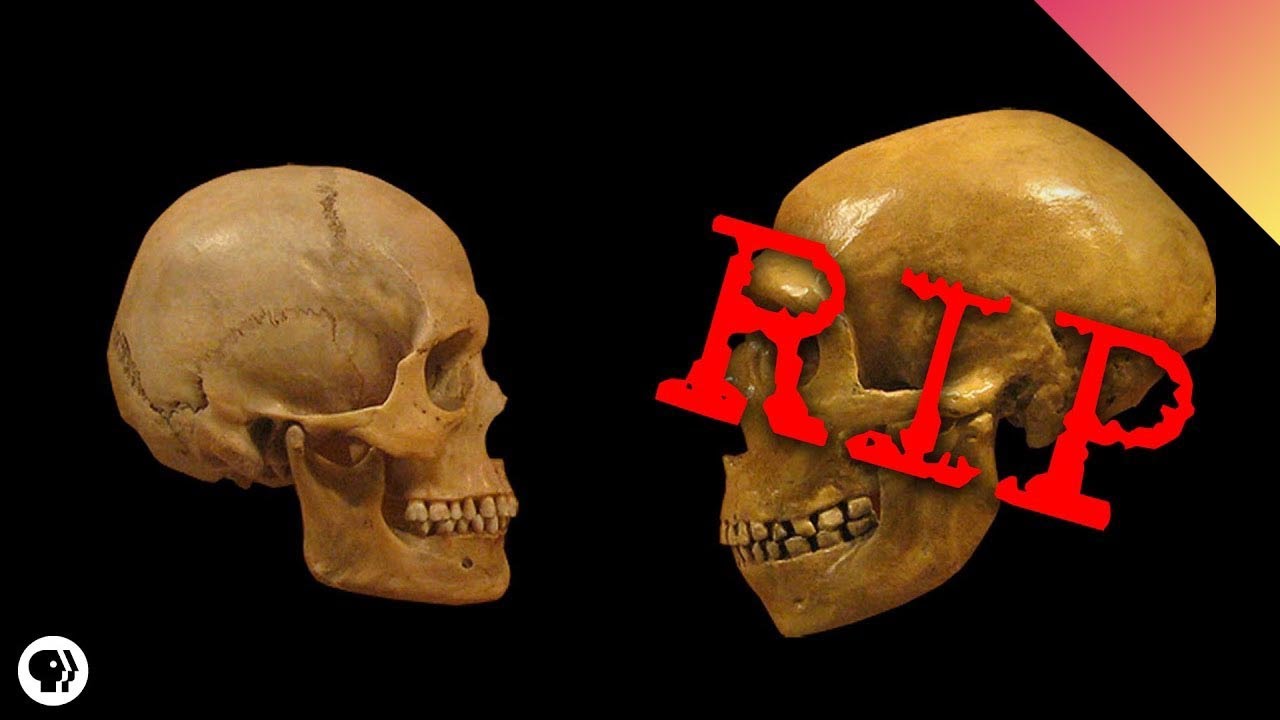
Neanderthals lived across Europe and western Asia from about 400,000 to ~40,000 years ago. They were robust hominins with stocky builds, broad faces, and heavy brow ridges, well adapted to Ice Age cold.
How did they emerge or originate?
Neanderthals diverged from a common ancestor with modern humans roughly 500,000 to 600,000 years ago. Their lineage evolved in Eurasia, adapting to glacial climates while other human groups developed in Africa.
What was daily life like?
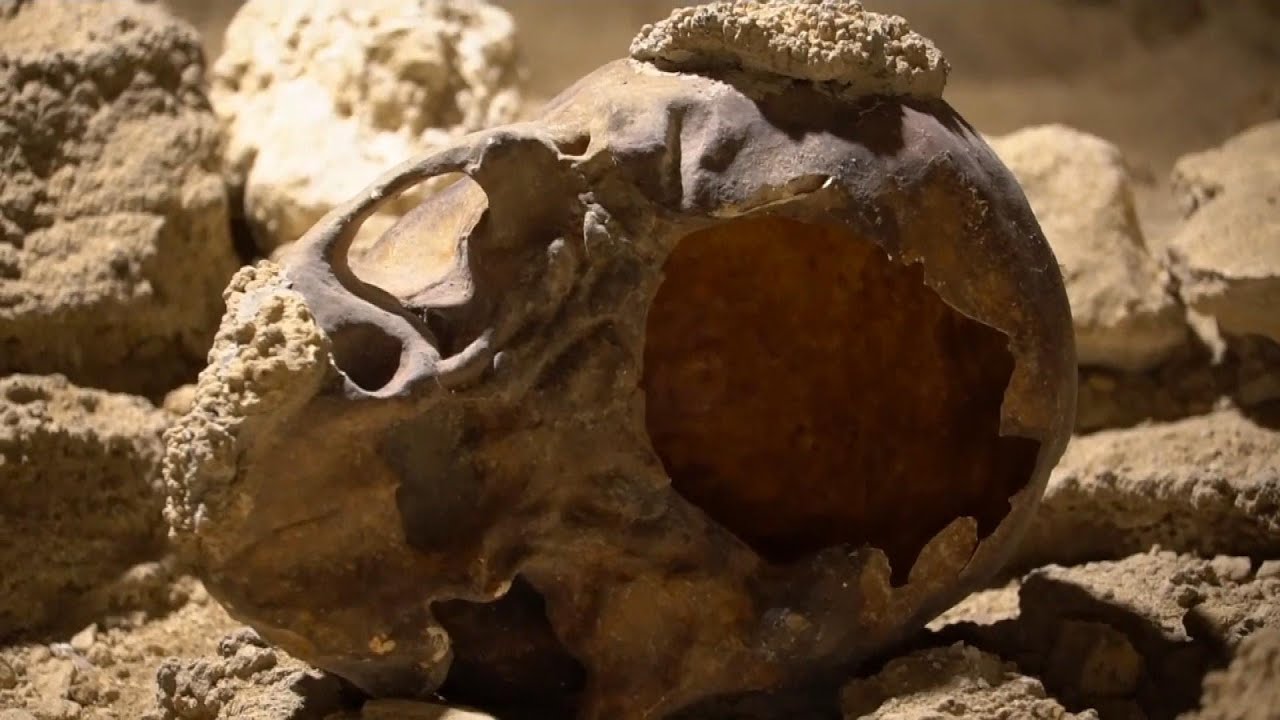
Many Neanderthals lived in caves or rock shelters, such as the famous Shanidar Cave in Iraq and Sidrón Cave in Spain. Caves offered shelter, hearths for warmth, and protection from predators. They lived in social groups, hunted big game, maintained fire, and prepared hides, making your cave scene historically accurate.
How did they make fire and tools?
Neanderthals used flint, stone hand axes, and bone tools. They struck flint to create sparks and used hides and animal bones for clothing and implements. They also mastered complex adhesive production, such as birch tar for hafting tools, at cave sites.
What did they eat?
Their diet was largely meat based: large herbivores, marrow, and cold-adapted fauna. But caves like Sidrón show plant remains and nuts too. Roasting meat by the hearth was a key part of daily survival.
Did they have art or rituals?
Yes. Neanderthals used ochre pigment, made cave-art-like markings, and buried their dead with possible ritual. At Bruniquel Cave they built stone ring structures deep inside caves, evidence of symbolic behavior.
What was their relationship with humans (Homo sapiens)?
Modern humans and Neanderthals overlapped in time and space. Genetic studies show non-African humans carry about 1 to 2 percent Neanderthal DNA. That indicates interbreeding, not just competition, and likely cultural exchange as well.
Why did they go extinct?
Around 40,000 years ago, Neanderthal populations disappeared from most of their range. Likely causes include climate change, shrinking habitable zones, competition with modern humans, and small population sizes that made recovery difficult.
What have we learned about them today?
They were not the brutish "cavemen" once imagined. Evidence shows complexity: tool making, symbolic thinking, art, and care for the wounded. Their legacy lives on in our DNA and reminds us how shared our human story truly is.
*Production note: All scenes are original AI-assisted historical recreations engineered by @itsaihistory using physics-based realism for educational and documentary purposes.
#itsaihistory #history #archaeology #neanderthals #europeanhistory #cave #shorts
Повторяем попытку...

Доступные форматы для скачивания:
Скачать видео
-
Информация по загрузке: