Pentax K-1 II vs Nikon D810A
Автор: World Photo Magazine
Загружено: 2018-08-09
Просмотров: 650
Описание:
Pentax K-1 II vs Nikon D810A
If you like this video please support me on Patreon! Thank you!
https://www.patreon.com/user?u=9417987
I want to make better videos!
Thanks for watching! Please SUBSCRIBE for more videos.
Check out our Instagram page! / worldphotomagazine
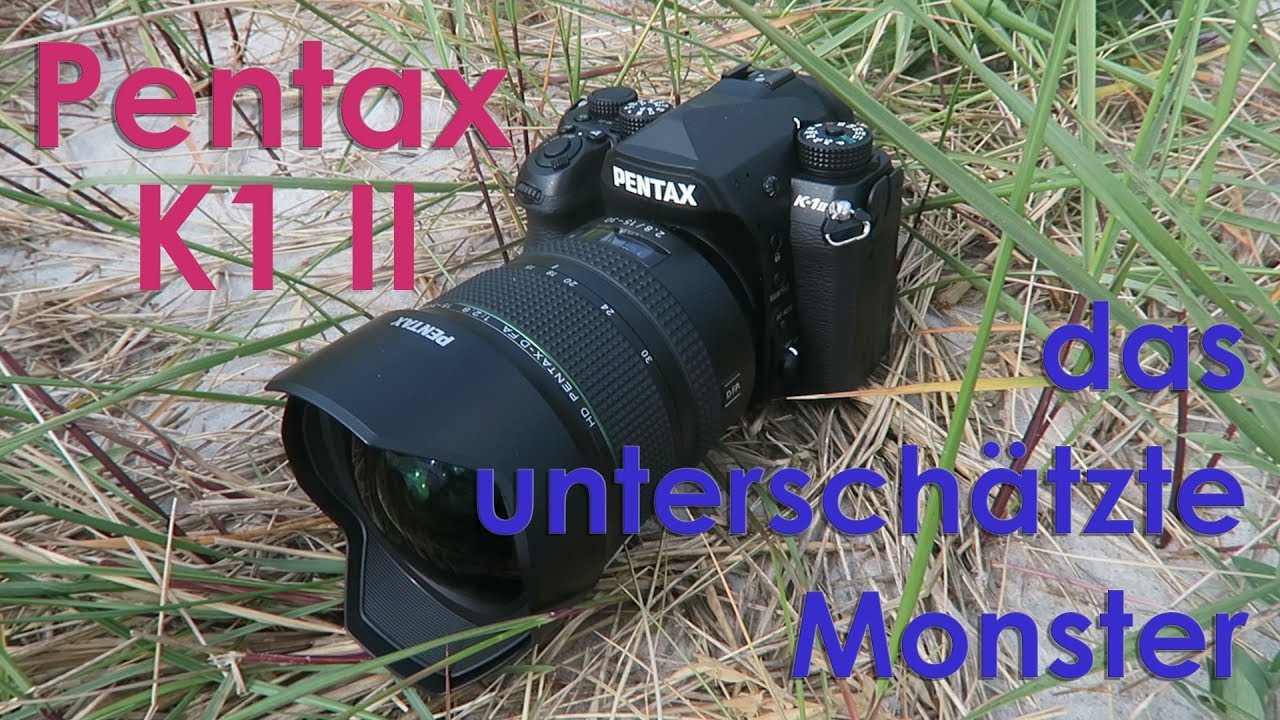
Pentax K-1 II
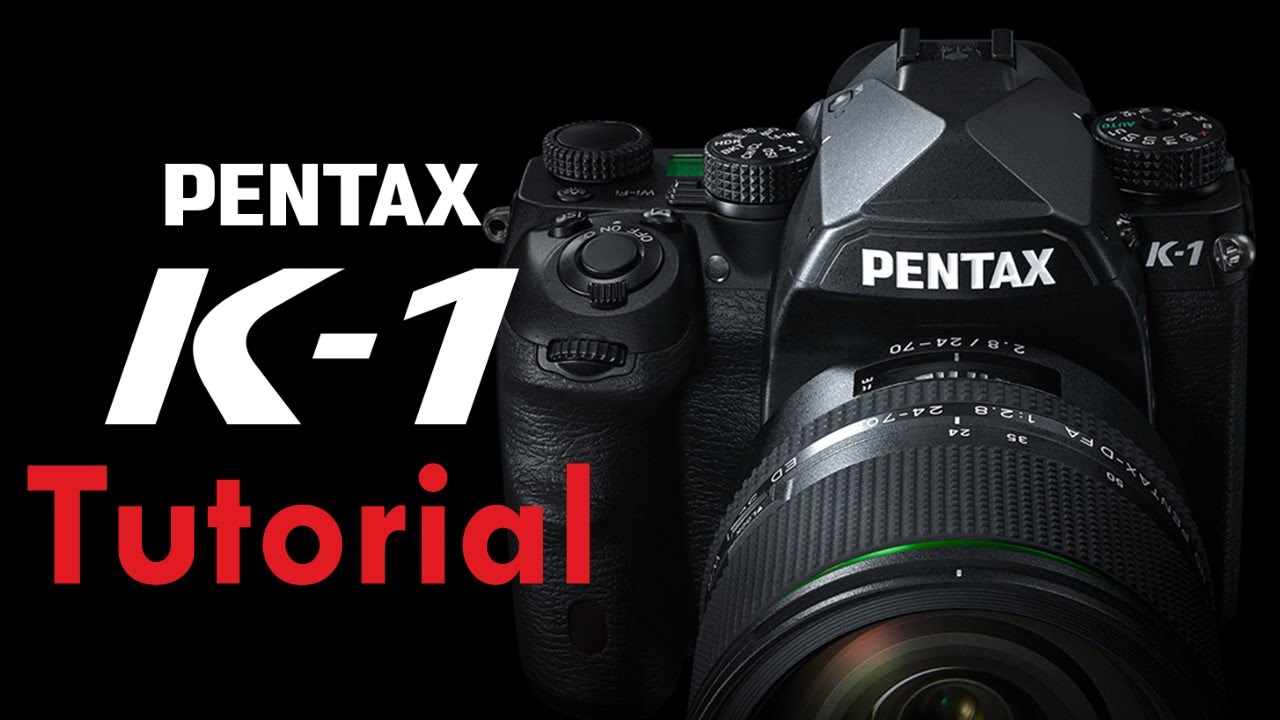
A couple of years ago, at the start of 2016, Ricoh finally answered the calls from Pentaxians for a full-frame DSLR with the arrival of the Pentax K-1. We were seriously impressed by the weatherproof, 36-megapixel K-1, which paired great ergonomics with a lengthy laundry list of features, some of them completely unique to this camera.
Two years down the line, the K-1 has now received a followup in the form of the Pentax K-1 II. If you're familiar with the earlier camera, you already know most of what you need to about its successor, as the two are near-identical in most ways. There are changes in just a few key areas.
So what's new? Well, most importantly the Pentax K-1 II now features the same accelerator unit which made its debut in 2016's Pentax K-70, and was also sighted in the 2017 model year Pentax KP. So what, exactly, does this new unit do? Ricoh has played its cards pretty close to its chest thus far, but we can make an educated guess that it's being used to assist the main PRIME IV-branded processor with denoising.
The reason we can draw that conclusion is that the Pentax K-1 II's performance is basically unchanged from that of its predecessor. Full-resolution, full-frame burst capture is still limited to a maximum of 4.4 frames per second, while the 15-megapixel APS-C crop mode has slowed ever so fractionally from 6.5 to 6.4 fps.
But while burst capture speed is unchanged, the K-1 II's maximum ISO sensitivity soars a full two stops beyond what the K-1 could manage. Just as did the sub-frame Pentax KP before it, the K-1 II offers everything from a minimum of ISO 100 to a maximum of ISO 819,200, but it does so with a much larger full-frame sensor, so we'd expect more of the high ISO range to be usable than was the case with the KP.
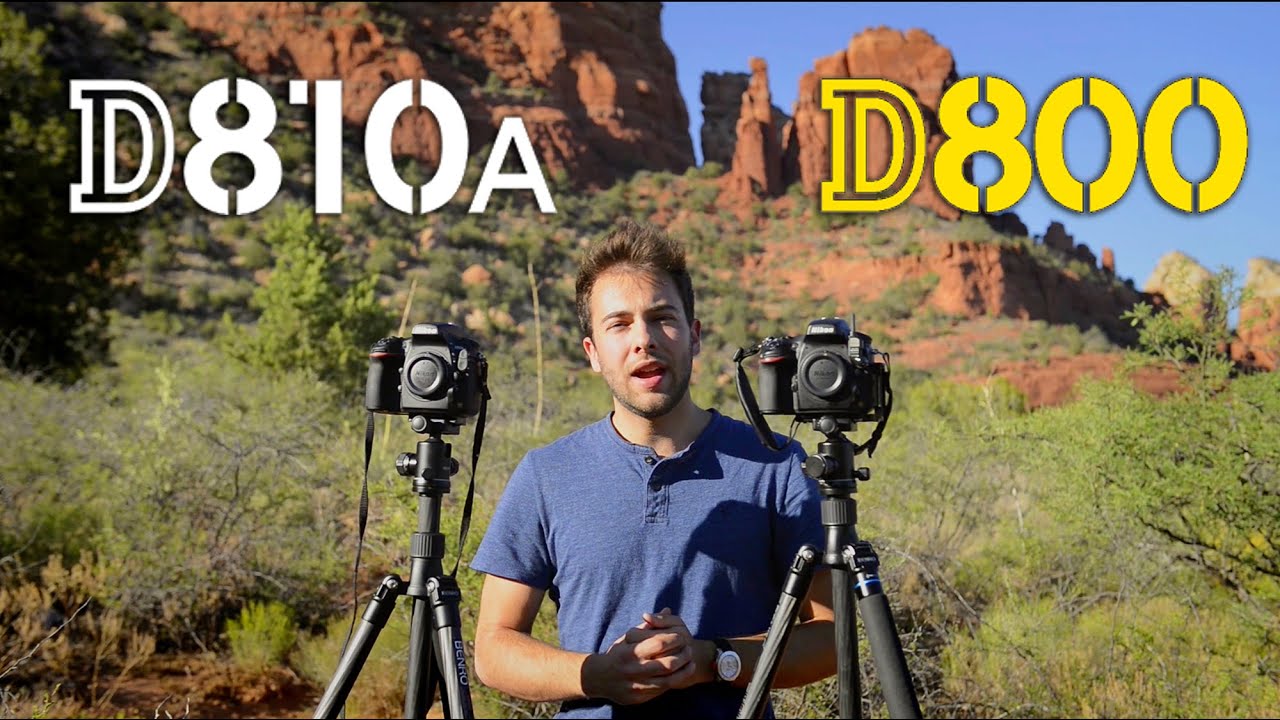
Nikon D810A
While Canon seems to have taken a page from Nikon's playbook with its twin versions of the 5DS and 5DS R like the D800 and D800E, Nikon's now using one from Canon's. Enter the Nikon D810A, a new astrophotography-specific variant of the 36.3-megapixel, full-frame D810.
Similar to the astrophotography version of Canon's popular 60D -- the Canon 60Da -- the D810A take a similar approach in that the camera includes a modified version of the infrared cut filter that sits atop the image sensor. The D810A's special IR cut filter has been been specially tweaked to allow for better transmittance of the hydrogen alpha wavelength -- in other words, greater sensitivity of the 656 nanometer wavelength of light, according to Nikon -- which will help the camera capture more of the red hues of far-off nebulae and constellations than the standard D810 can.
Given the specialized nature of this modified IR cut filter, Nikon does not recommend using the D810A for general-purpose photography -- although, you'd be more than welcomed to, just be ready for the reddish cast in the resulting photos.
Apart from the new IR cut filter, the Nikon D810A is mostly identical, both physically and technologically, to the standard D810 model, although there are a couple of firmware changes. The D810A utilizes the same 36.3-megapixel, full-frame CMOS sensor paired with the fast EXPEED 4 image processor, as well as the sturdy magnesium alloy body, vibration-reducing mirror mechanism, optional electronic first-curtain shutter, and the bright 1,229K-dot, 3.2-inch LCD screen.
The firmware changes to the D810A are, naturally, related to its astrophotography focus. The D810A includes a new Long Exposure Manual Mode, which provides an increased range of slow-to-very-slow shutter speeds. Whereas a normal D810 offers just 30 seconds as the slowest shutter speed (apart from using Bulb or Time mode), the D810A can be cranked to 60s, 120s, 240s, 300s, 600s and finally to a maximum of 900s, which is a whopping 15 minutes. Hello star trails...if you're not using a motorized equatorial mount!
Along with the new Nikon D810A, the camera's bundled software, Capture NX-D, will also be updated with a new Astro Noise Reduction option for D810A image files.
Tags:
Pentax K-1 II vs Nikon D810A, Pentax K-1 II vs Nikon D810, Nikon D810 video test, Pentax K-1 II vs, Pentax K-1 II, Pentax K-1 II test, Pentax K-1 II review, Pentax K-1 II comparison, Pentax K-1 II 4k video test, dslr vs, Nikon D810A, Nikon D810A vs Pentax, Nikon D810A test, Nikon D810A review, Nikon D810A 4k video test, Nikon D810A comparison, camera comparison, dslr review, worldphotomagazine,
Повторяем попытку...

Доступные форматы для скачивания:
Скачать видео
-
Информация по загрузке: