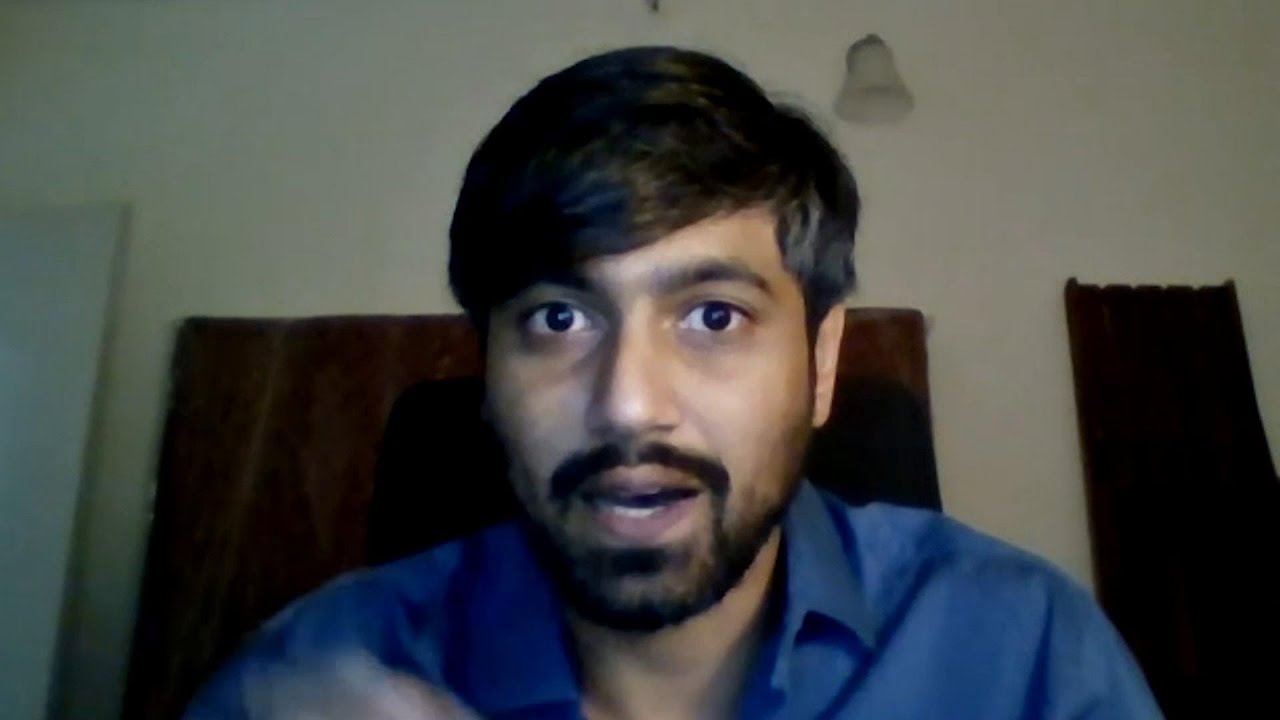
Analyst on Mali military camp attack that killed at least 49
Автор: AP Archive
Загружено: 2023-09-13
Просмотров: 362
Описание:
(8 Sep 2023)
RESTRICTION SUMMARY:
++QUALITY AS INCOMING++
ASSOCIATED PRESS
Timbuktu, Mali – 8 September 2023
++STARTS ON SOUNDBITE++
1. SOUNDBITE (English) Dr. Shaantanu Shankar, Country Analyst Africa, Economist Intelligence Unit:
“The Malian crisis is a crisis that's been going on for over a decade. And now under the current political circumstances, the crisis has been intensifying again after a lull of around eight years, we can say, and this lull was mainly due to the fact that the international forces were making some difference in terms of keeping jihadists at bay to a certain degree. Now, the attacks that took place, they took place in northern Mali and northern Mali was where a lot of the French forces were concentrated and the U.N. forces were also heavily concentrated in these areas. Northern Mali was also the region that was the source of the Malian crisis initially more than a decade ago.”
++BLACK FRAMES++
2. SOUNDBITE (English) Dr. Shaantanu Shankar, Country Analyst Africa, Economist Intelligence Unit:
“In terms of clear military capacity, Mali does not have the ability to resolve its own security challenges. And this does not mean that Western intervention, military intervention is the only solution. But it's… we can definitely say that Mali requires to maintain strong bilateral cooperation with all its neighbours that are similarly affected by the jihadist threat, one, and two, its neighbours that face increasing risks of jihadist incursions, so, we're talking about both the coastal ECOWAS states as well as the Sahelian states like Burkina Faso and Niger. And unfortunately at this stage, bilateral military cooperation and regional military cooperation has completely collapsed due to the geopolitics of the region. In many ways, there's been this strong, pervasive anti-French sentiment that's spread across the countries that have had military coups. That's Niger, Burkina Faso, Mali and Guinea. This has cost a rift in the relations with regimes like the Cote d'Ivoire, Benin.”
++BLACK FRAMES++
3. SOUNDBITE (English) Dr. Shaantanu Shankar, Country Analyst Africa, Economist Intelligence Unit:
“Right now, unfortunately, when it comes to dealing with when we are talking about a security crisis, but in reality, ECOWAS has proved unsuccessful in addressing simultaneous political crises that has taken place in the region in the last three or four years. ECOWAS has not been able to promote democracy, nor has ECOWAS been able to prevent military regimes from coming into power. ECOWAS sanctioned Mali after the second military coup and the junta planned to delay the elections, but eventually, ECOWAS was forced to lift sanctions because sanctions was not an effective political tool. So, in that sense, ECOWAS has already failed to deal with these political crises that have taken place. So clearly there has to be a different approach, a development-focused approach from the region.”
++ENDS ON SOUNDBITE++
STORYLINE:
An analyst for the Economist Intelligence Unit suggested on Friday that recent attacks in Mali took place in areas where there used to be a high concentration of foreign forces.
"The attacks that took place, they took place in northern Mali and northern Mali was where a lot of the French forces were concentrated and the U.N. forces were also heavily concentrated in these areas," said Dr. Shaantanu Shankar.
"Northern Mali was also the region that was the source of the Malian crisis initially more than a decade ago,” he added.
The statement said the government killed about 50 assailants while responding to the attacks.
Find out more about AP Archive: http://www.aparchive.com/HowWeWork
Twitter: / ap_archive
Facebook: / aparchives
Instagram: / apnews
You can license this story through AP Archive: http://www.aparchive.com/metadata/you...
Повторяем попытку...
Доступные форматы для скачивания:
Скачать видео
-
Информация по загрузке:



![Two armed groups to fight insecurity in central Mali [Morning Call]](https://image.4k-video.ru/id-video/NMxQWCz7x0c)