How To Tint a Cyanotype With Bicarbonate of Soda and Coffee
Автор: ArtSmart
Загружено: 2025-02-11
Просмотров: 4015
Описание:
00:00 Introduction to Cyanotype Toning
00:04 The Two Stages: Bleaching and Toning
00:12 Exploring Toner Color Variations
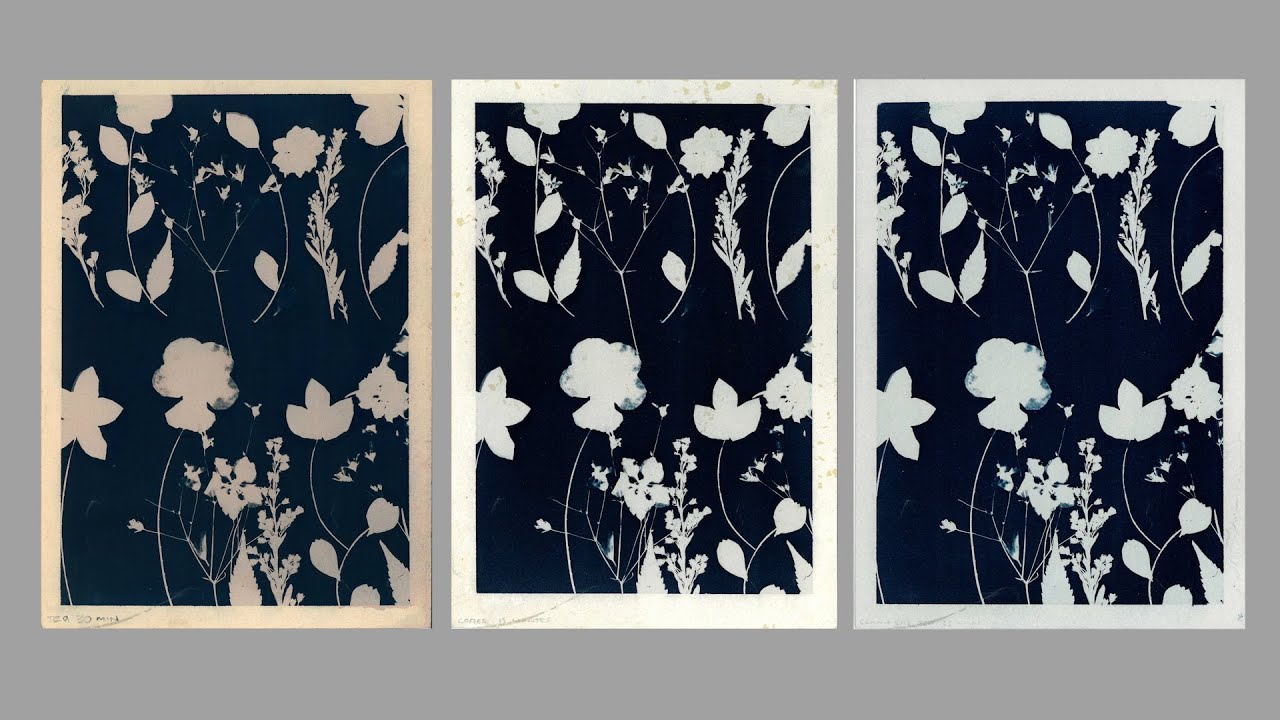
00:39 Coffee vs. Tea Toning: Color Differences
01:07 Preparing Your Print: Soaking and Aging
01:47 Understanding the Bleaching Process
02:54 Washing Techniques for Even Toning
03:04 How Long Should You Tone with Coffee?
03:17 Agitating vs. Soaking: Toning Techniques
03:42 Final Results: My Toned Cyanotype
03:53 Second Toning
04:18 How Cyanotypes Change After Drying
04:27 Side-by-Side Print Comparison
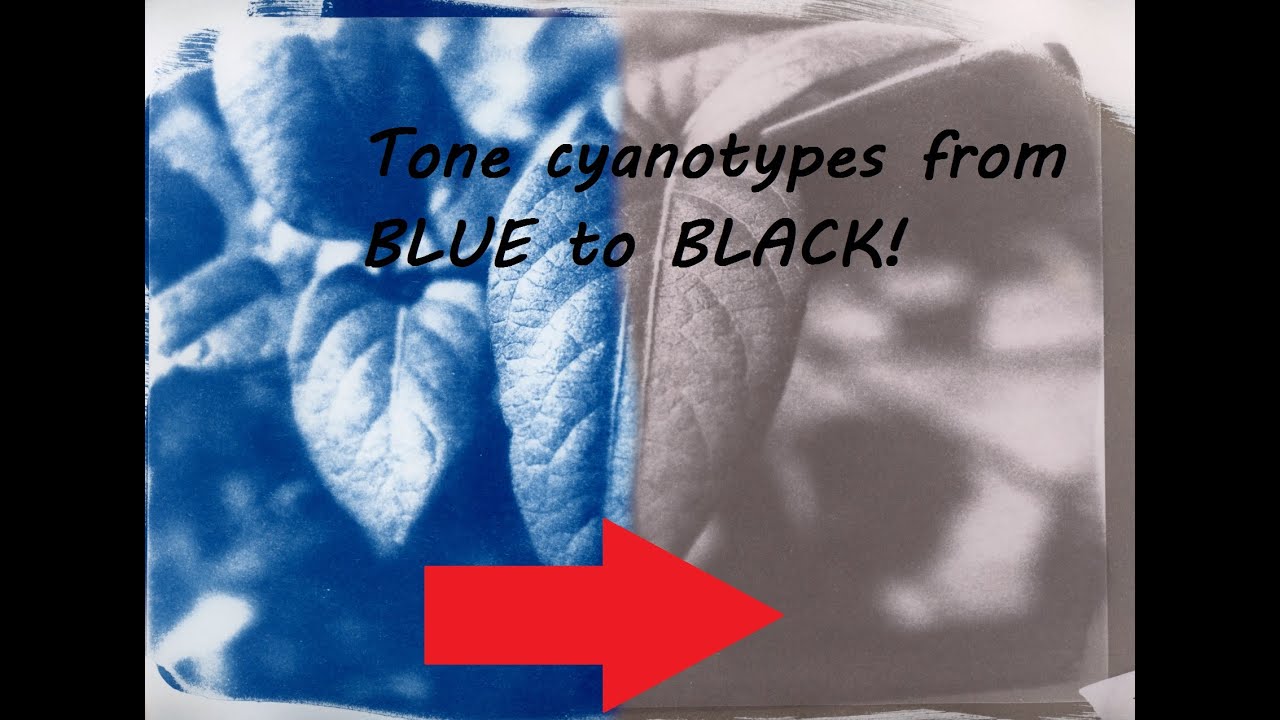
Toning a cyanotype print involves two fundamental stages: the bleaching phase followed by the toning phase.
Cyanotype toners typically produce variations within the black, brown, and purple colour spectrum.
Some toners are more efficient and result in less staining, while others offer a broader range of colour outcomes.
Be aware that all toners will impart some degree of staining to the paper base, regardless of precautions taken.
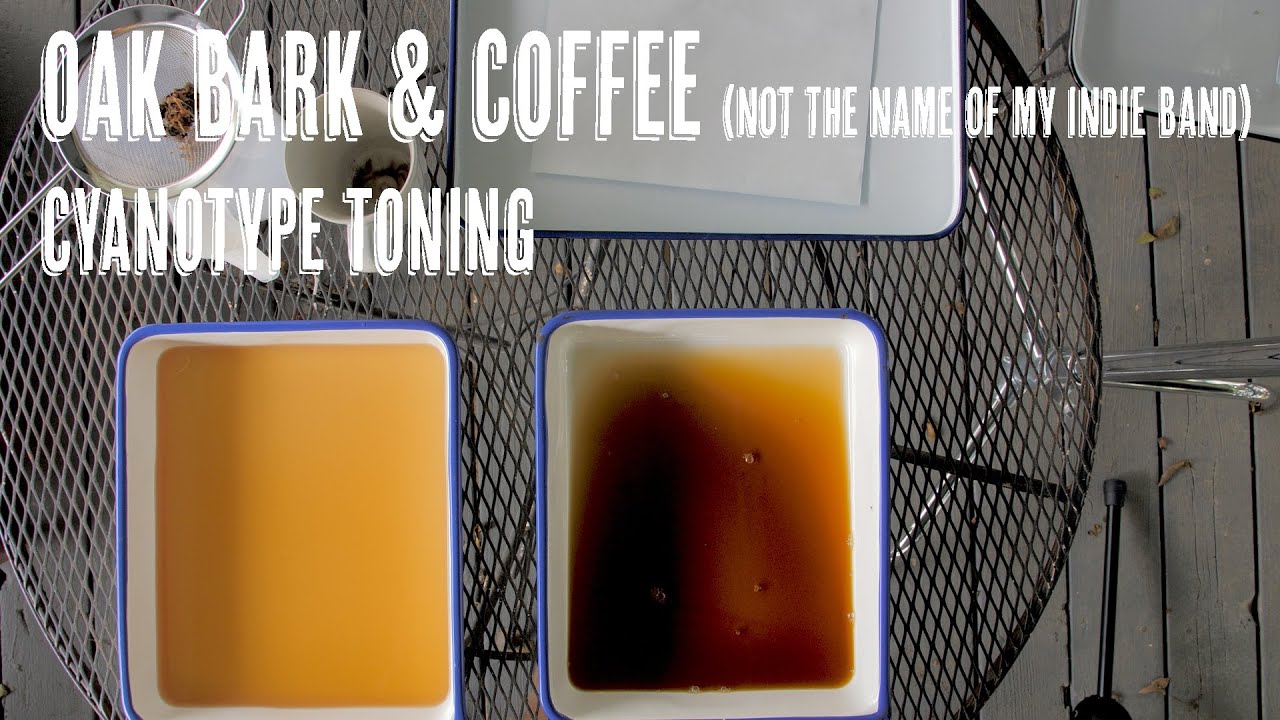
In this instance, cold coffee was employed as a toning agent.
Coffee functions as a cold toner in contrast to the warmer hues produced by tea.
It maintains the paper's original color more closely, though some staining will still occur.
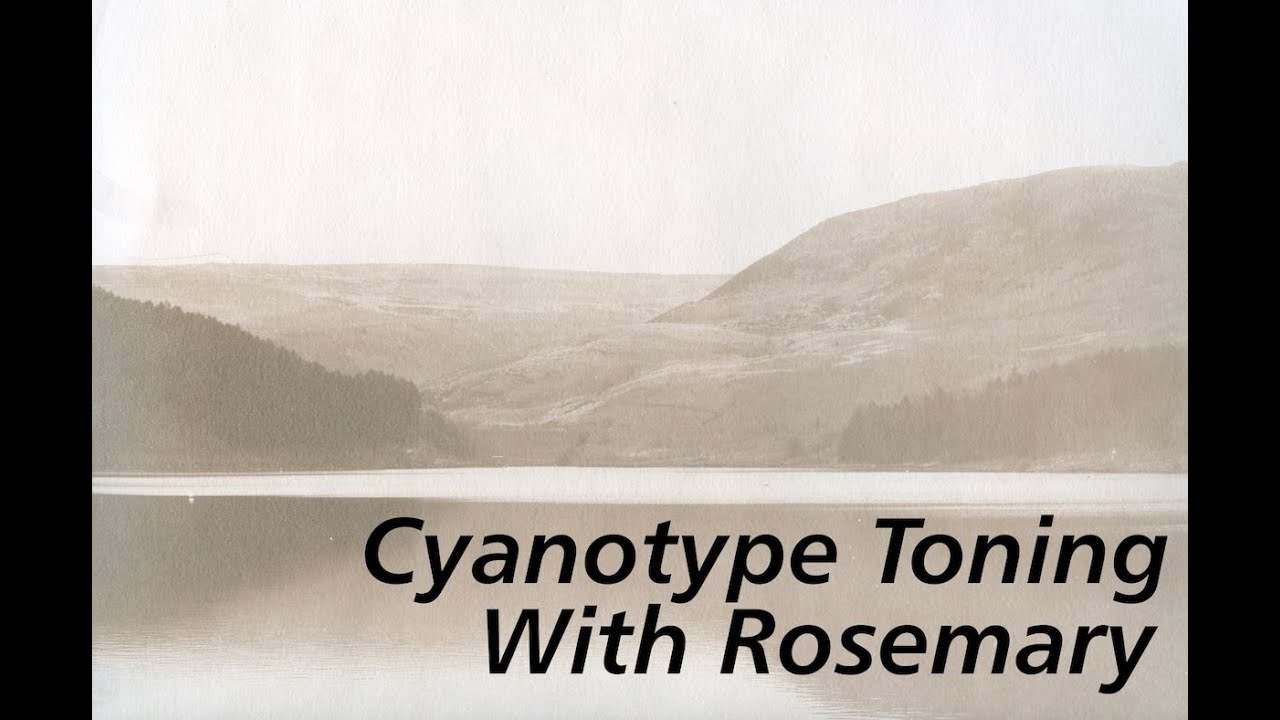
While coffee does not yield a true black, it produces a distinctive blue-black tone reminiscent of a blackbird's feathers.
The highlights remain relatively clean, so it is important to ensure good contrast in the original print, avoiding blown-out highlights.
Soak the prints in water to facilitate even penetration of the solutions into the paper fibers, thereby promoting uniform toning.
Prior to commencing the toning process, allow the prints to age for a minimum of 24 hours.
It is recommended you process one print at a time, refraining from toning or bleaching multiple prints simultaneously to ensure consistency and control.
It is advisable to prepare multiple prints, as the toning process can be unpredictable and may yield varied results.
The purpose of the bleaching process is to slightly break down the iron compounds, thereby facilitating a more effective bond with the tannins present in the toner.
The extent of bleaching required is influenced by factors such as the method of coating, the amount of emulsion applied to the paper, and the specific toner used.
Excessive bleaching can result in a loss of shadow density, while insufficient bleaching may cause shadows to retain an undesired blue tint even as highlights respond appropriately.
It is advisable to remove the print from the bleaching solution a few seconds before it appears fully processed, as the bleaching action will continue slightly during the initial rinsing phase.
A critical aspect of achieving a well-toned print is thorough washing between each step to prevent contamination and uneven results.
A toning process with coffee generally requires less time than tea toning.
However, an hour or more may still be necessary to achieve the desired effect.
Agitate the print while it lays face up in the toning bath, or you can leave the print face down for longer periods of toning.
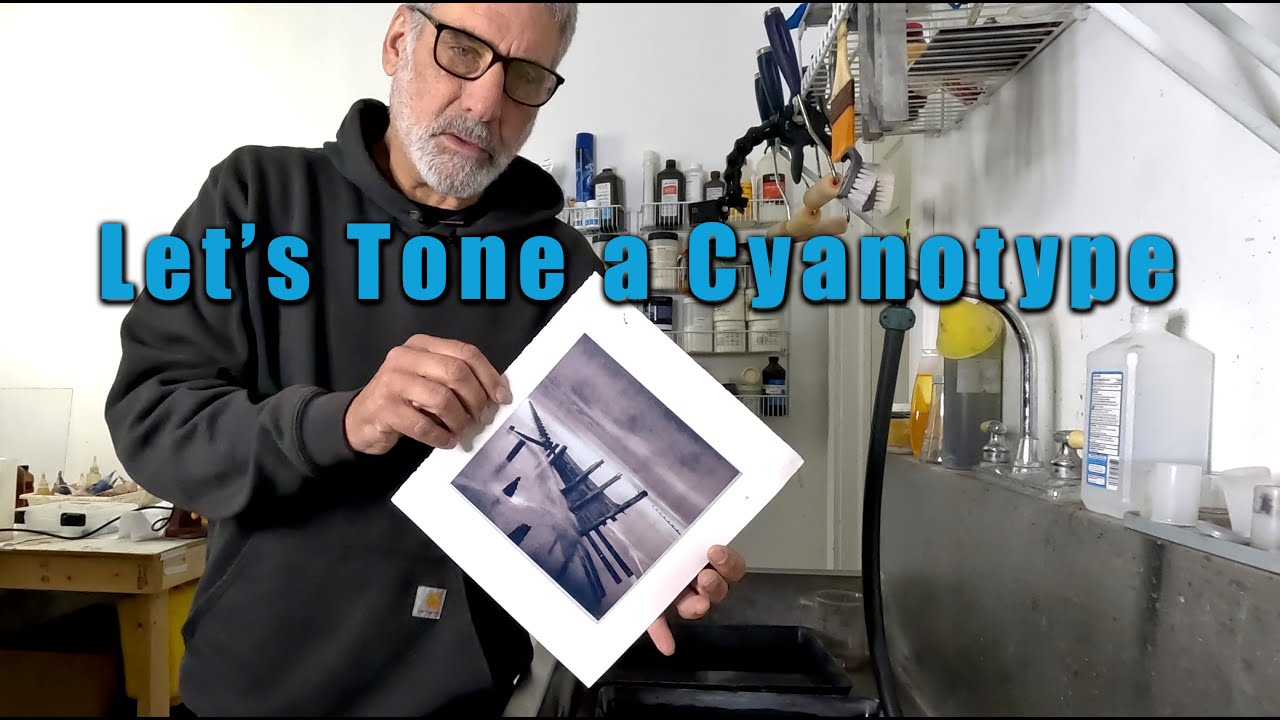
Here is my toned cyanotype.
After finishing my first print, I toned another one, but this time I bleached the cyanotype for less time.
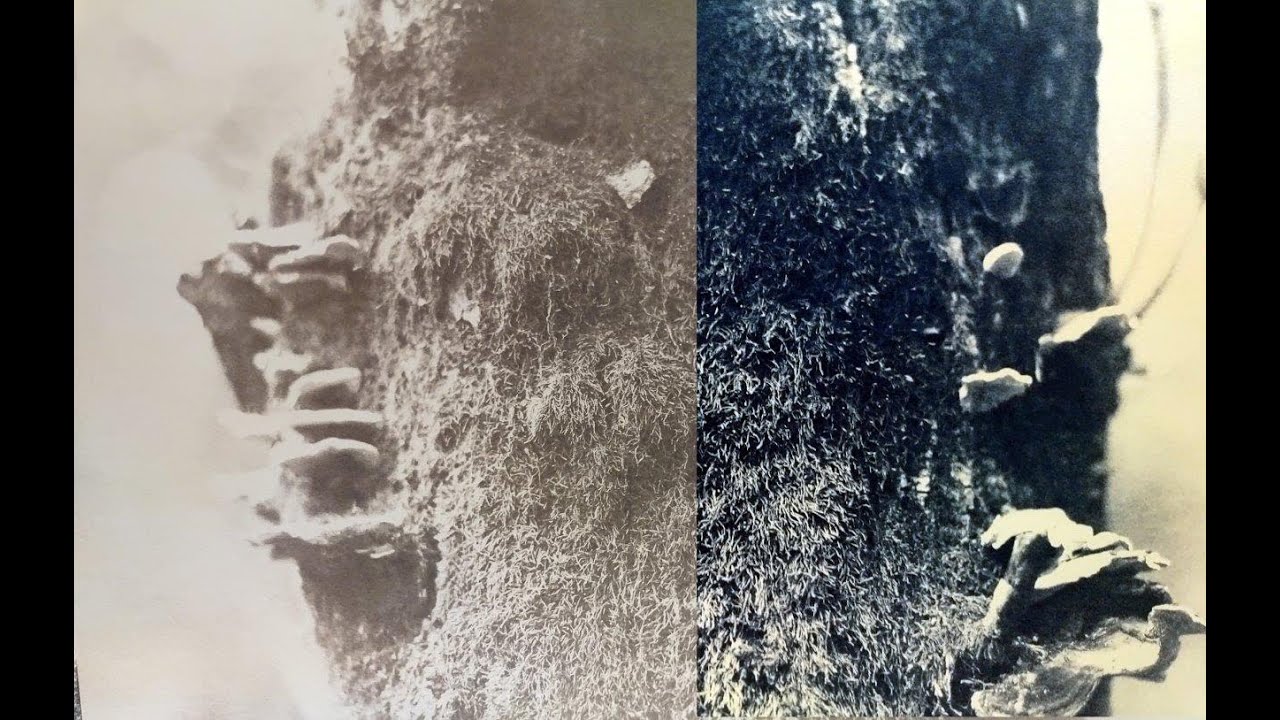
Here is my print after it has dried versus when it came out of the water.
As you can see, the print continues to develop as it dries.
Here are my two prints side by side for comparison.
Повторяем попытку...
Доступные форматы для скачивания:
Скачать видео
-
Информация по загрузке: