GST ITC - Fake/Bogus Billing- Burden to prove
Автор: GST Upskilling
Загружено: 2023-06-27
Просмотров: 14027
Описание:
📌 Who Bears the Burden of Proof in Fake/Bogus Billing Cases under GST? | CA Ritesh Arora Explains
In this video, CA Ritesh Arora (FCA, GST Expert & Author) addresses one of the most critical questions in GST compliance: when Input Tax Credit (ITC) is questioned due to alleged fake or bogus billing, who has to prove legitimacy—the taxpayer or the department?
👉 Quick Legal Insight:
Under Section 155 of the CGST Act, the burden of proof lies squarely on the taxpayer whenever ITC is claimed. This means that a registered person availing ITC must substantiate eligibility with valid documents, invoices, returns, and payment proofs.
However, allegations alone do not establish guilt. The burden of proof lies with the Revenue Department to substantiate its claims with credible and substantial evidence. When self-assessment is challenged, authorities must present clear, proportionate, and conclusive evidence—mere statements under oath or extracts from books of accounts are not enough.
Serious allegations—such as fraudulent ITC claims or fake firm creation—must be backed by material evidence directly establishing wrongdoing.
Furthermore, as per Section 104 of the BSA 2023, the burden of proof rests on the party making the allegation—in this case, the Revenue. Without concrete evidence, any demand or penalty would be liable to be set aside on merit.
Courts across India have consistently held that genuine buyers cannot be punished for lapses of suppliers, unless there is evidence of active participation in fraud.
🔎 What You’ll Learn in This Video:
✔️ The scope of Section 155 CGST Act – shifting the burden of proof
✔️ Conditions under Section 16 for availing ITC
✔️ Judicial trends on fake/bogus billing and ITC denial
✔️ The department’s role vs the taxpayer’s responsibility
✔️ The significance of Section 104 BSA 2023 in evidentiary standards
✔️ Compliance safeguards to protect your ITC claim
✔️ Practical strategies to respond to GST notices & SCNs
⚖️ Judicial Perspective on ITC & Fake Billing:
High Courts have emphasized that taxpayers cannot be denied ITC merely because the supplier failed to deposit GST.
The onus on the department is to establish fraudulent intent or collusion. Without material and conclusive proof, ITC cannot be mechanically denied.
📑 Key Takeaways for Taxpayers:
Conduct supplier due diligence before availing ITC.
Remember: burden of proof starts with you, but shifts to the department once you show prima facie genuineness.
Stay updated with judicial pronouncements – many ITC disputes are resolved in favor of genuine taxpayers.
💡 Why This Matters?
ITC is the lifeline of GST compliance. Wrongful denial of ITC can cripple working capital.
Fake billing allegations are one of the most common triggers of GST litigation.
Knowing your rights and responsibilities helps in avoiding unnecessary disputes and penalties.
👨⚖️ About the Speaker:
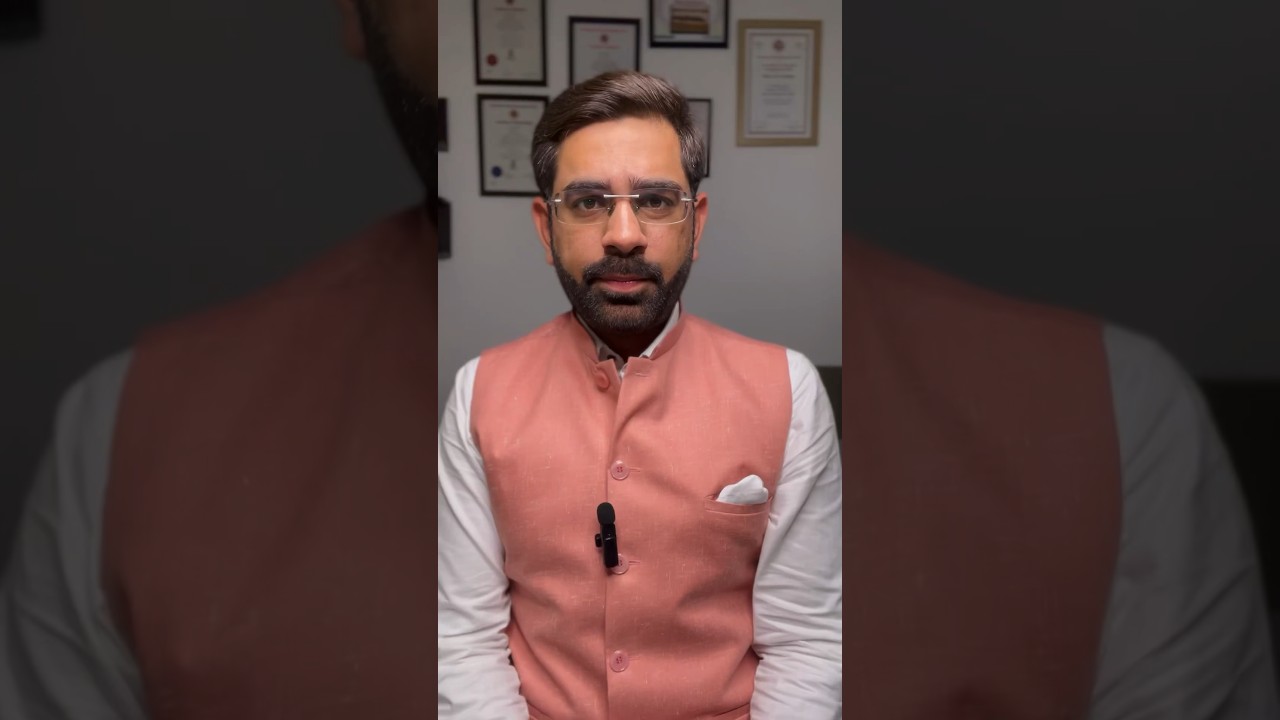
CA Ritesh Arora is a Fellow Chartered Accountant (FCA), GST litigation expert, author of GST Gavel – A Practitioner’s Guide, and a regular speaker on GST law, compliance, and litigation strategy. With extensive experience in handling complex cases, he provides practical insights for professionals, businesses, and students.
🔔 Subscribe to the Channel for more videos on:
GST Litigation & Case Laws
Input Tax Credit (ITC)
GST Registration & Cancellation
Refunds
Inspection, Search & Seizure
Demand & Recovery under GST
Practical Compliance Tips for Businesses
📬 Connect with CA Ritesh Arora:
LinkedIn: / caritesharora
For collaborations & speaking opportunities: Email- [email protected] Phone-9888466739
#gstlitigation #itc #fakebilling #bogusinvoices #burdenofproof #taxpayerrights #gstcompliance #gstindia #ca #ritesharora #legaladvice #businesstips #gstupdates #gstupskilling #gstgavel
Повторяем попытку...
Доступные форматы для скачивания:
Скачать видео
-
Информация по загрузке: