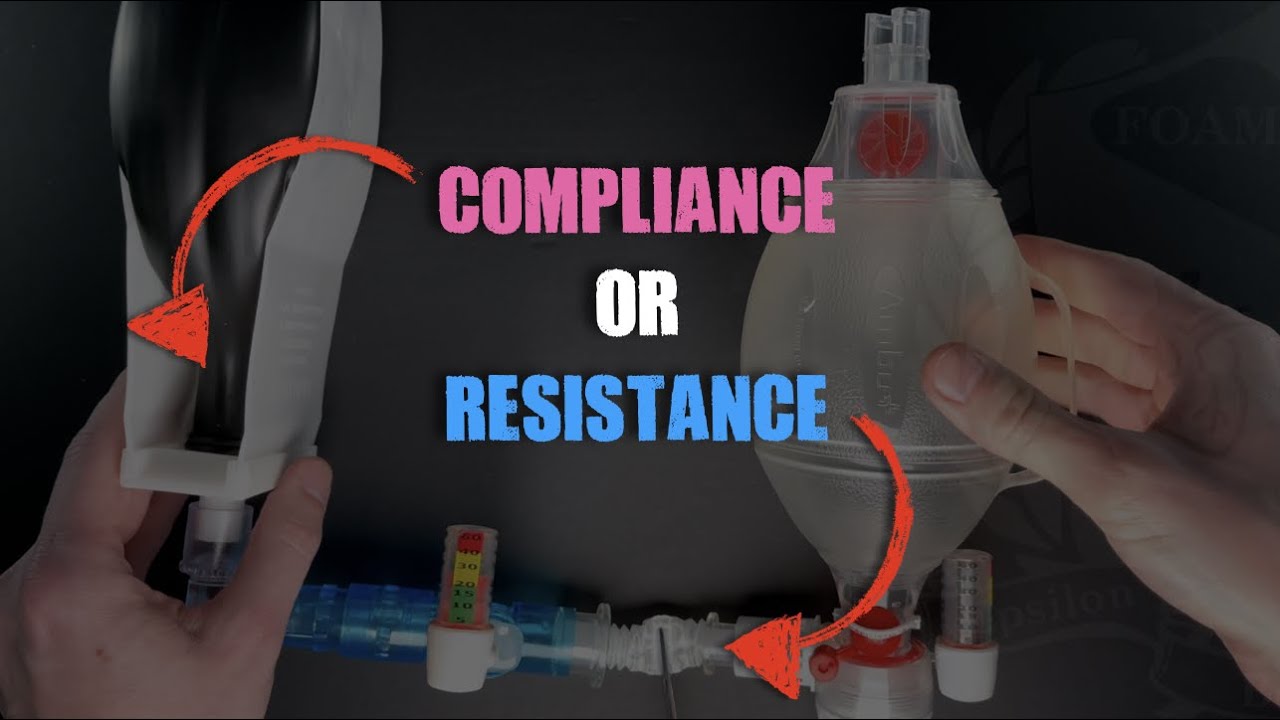
QuickLung & QuickTrigger: How to Simulate Patient–Ventilator Dyssynchrony on a Ventilator | Ep 3/3
Автор: EO Medical
Загружено: 2019-01-29
Просмотров: 1169
Описание:
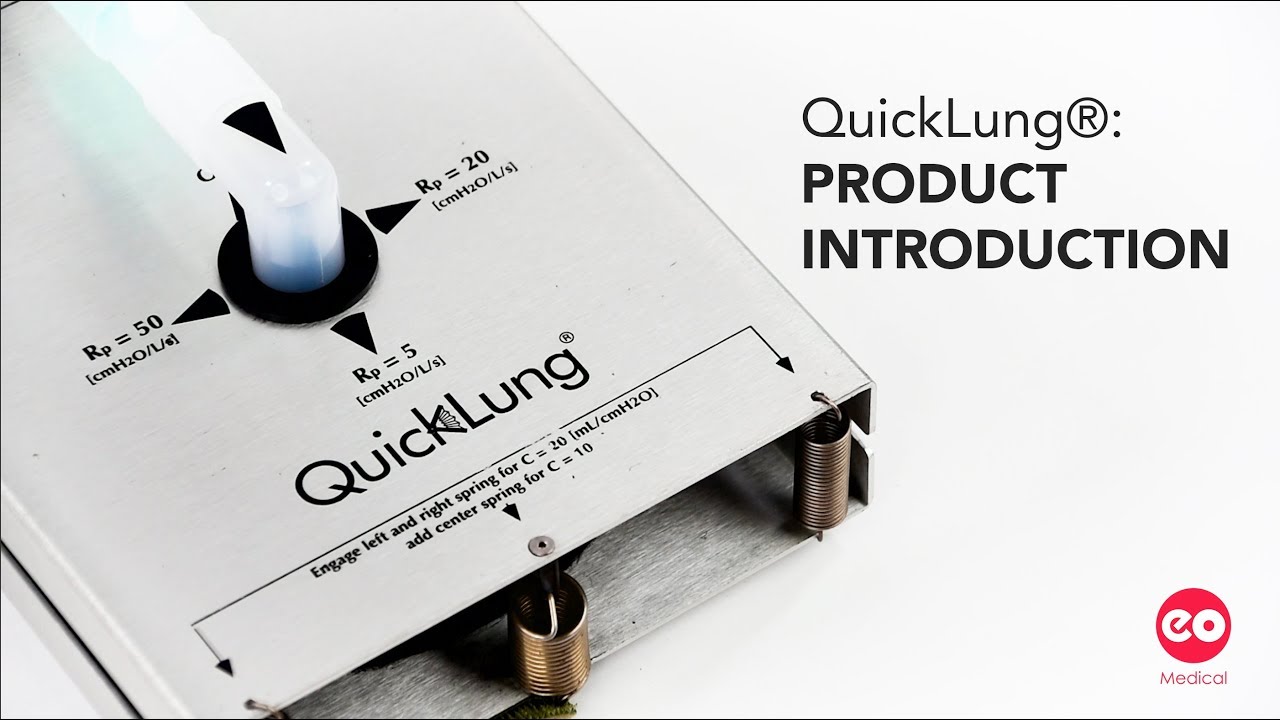
IngMar QuickLung is a mechanical lung simulator that can be used for ventilation training.
QuickTrigger is a standard accessory of Quicklung which can be used to simulate spontaneous breaths.
Identifying dyssynchrony on ventilator waveforms is an essential skill required by emergency (ED) and intensive care (ICU) doctors, respiratory therapists (RTs) and nurses.
Introduction
What is Patient-Ventilator Interaction?
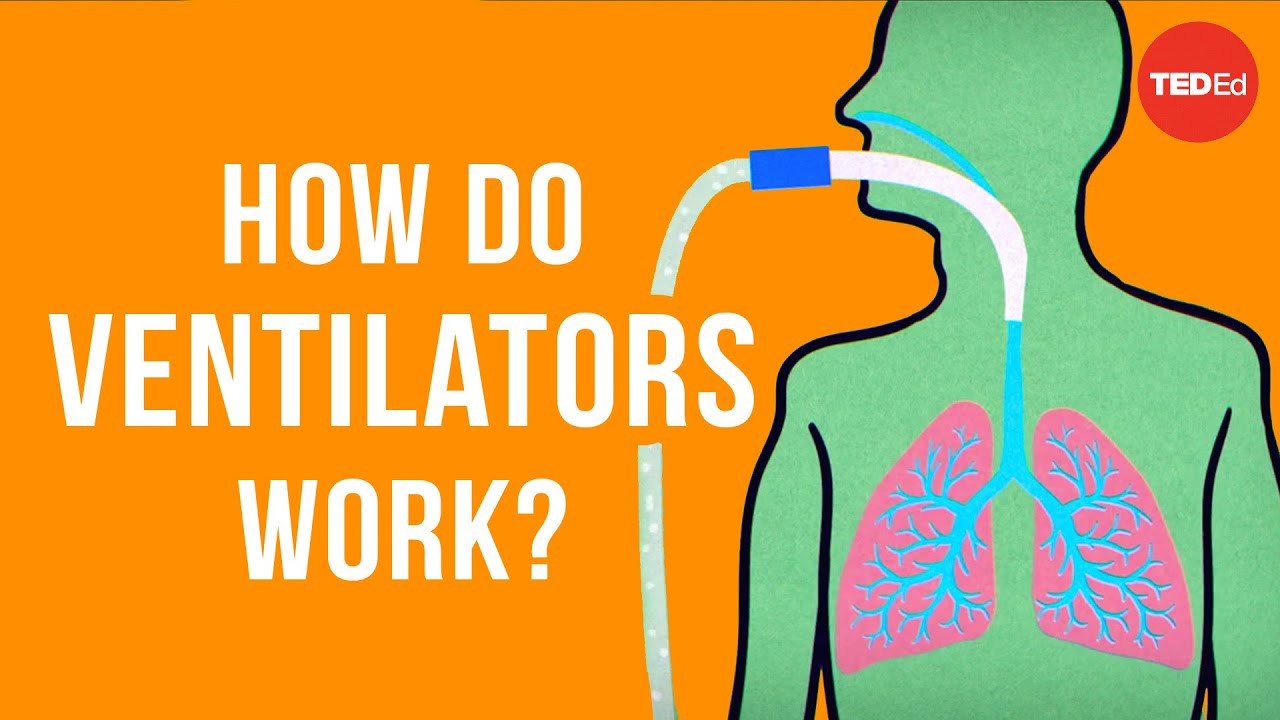
Patient-ventilator interaction can be described as the relationship between 2 respiratory pumps. When the 2 pumps function in synchrony, every phase of the breath is perfectly matched. Anything that upsets the harmony between the 2 pumps results in dyssynchrony and causes patient discomfort and unnecessarily increases work of breathing.
Simulation 1 : Ineffective Effort
The patient attempts to breathe on his/her own (spontaneous breathing patient). However, this effort fails to trigger the ventilator. This could be due to insensitive trigger setting on the ventilator, or weak patient effort.
Simulation 2: Missed Trigger
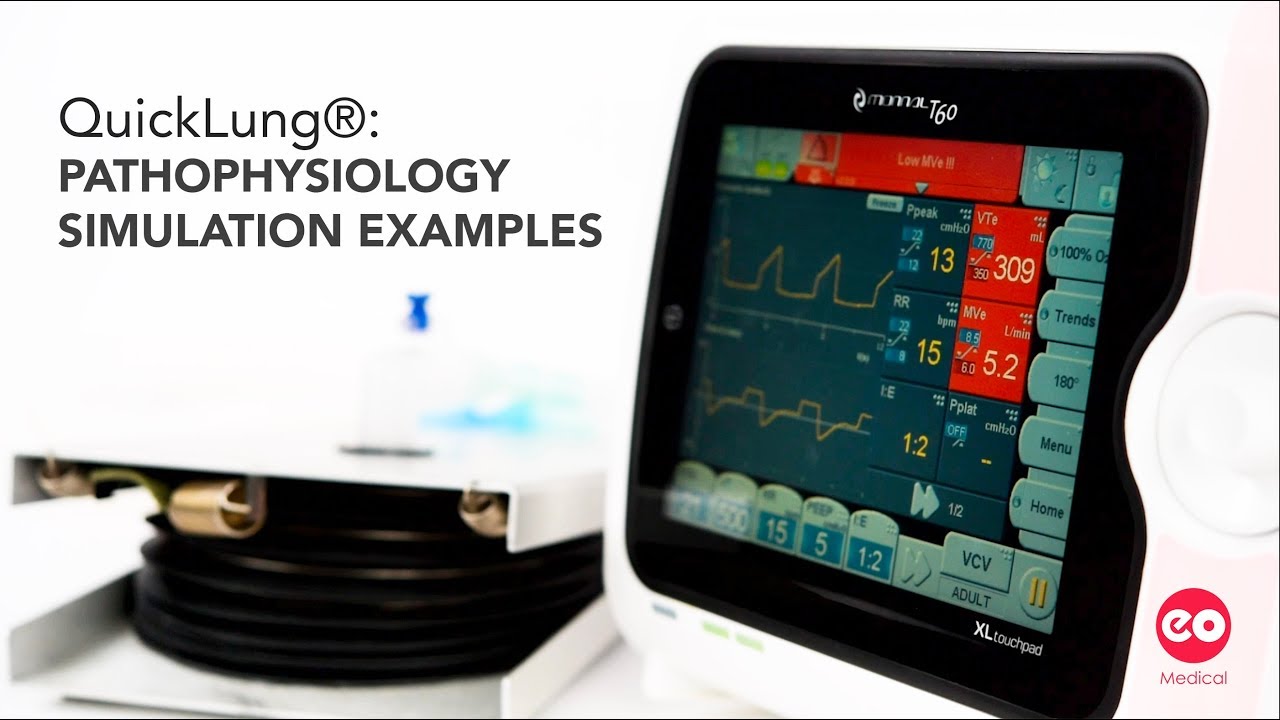
Patients with chronic obstructive pulmonary disease (COPD) have a high prevalence of trigger problems as a result of auto-PEEP leading to lung hyperinflation. In the flow waveform, these efforts often appear as a sudden movement of the expiratory flow waveform toward the zero baseline.
The "blip" on the flow-time waveform (circled in red) is a "missed trigger". It is another example of patient-ventilator dyssynchrony.
Bedside evaluation for the presence of patient-ventilator dyssynchrony should be routinely performed. Quicklung can be used to train Critical Care healthcare professionals to quickly identify these problems and to correct the root cause to improve patient ventilator synchrony.
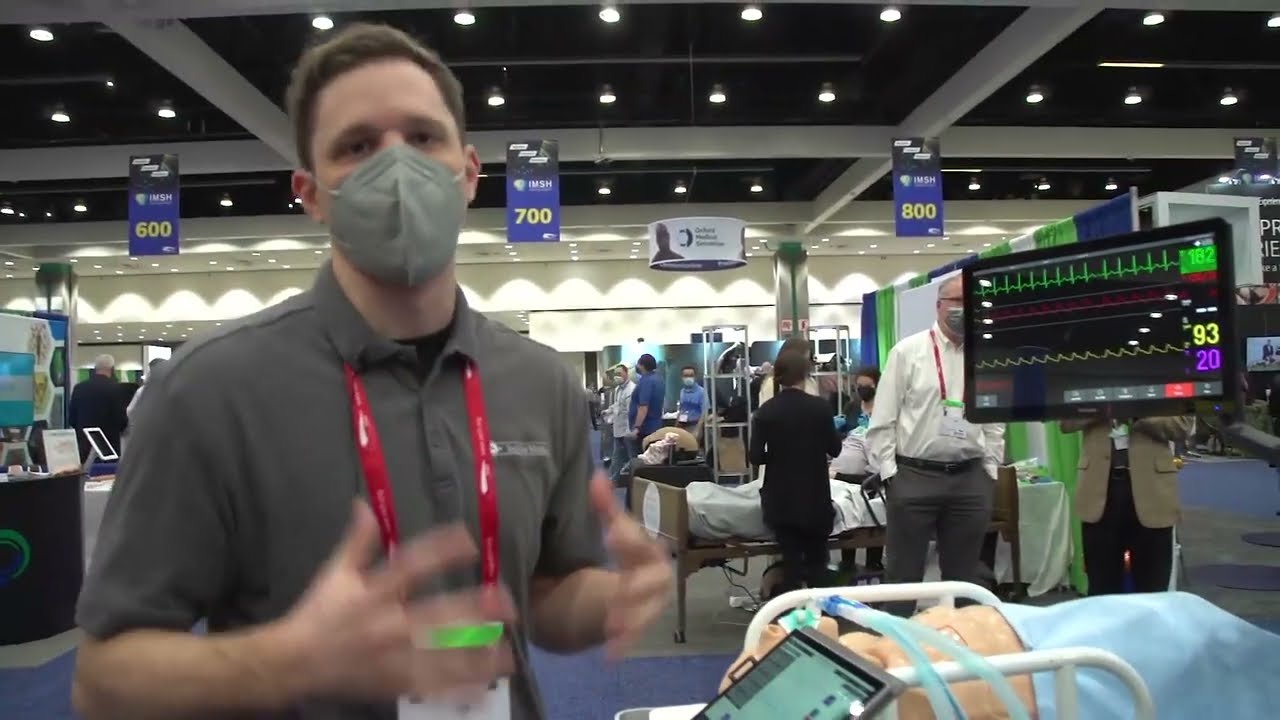
This video is quick demonstration of how to use QuickTrigger to simulate spontaneous breathing, with Quicklung and Monnal T60 Ventilator, created by EO Medical in Singapore.
TIMESTAMPS:
0:00 Introduction
0:10 Definition of Patient-Ventilator Dyssynchrony
0:29 What is QuickTrigger?
0:37 How to attach QuickTrigger to QuickLung
0:47 How to use QuickTrigger to simulate spontaneous breathing
0:53 Scenario 1: Ineffective trigger effort
1:01 See on ventilator waveform result of insensitivity to patient triggers
1:16 Scenario 2: Missed triggers
1:24 See on ventilator waveform result of missed triggers
1:42 Conclusion: Ability to spot patient-ventilator dyssynchrony
Also in this QuickLung tutorial video series:
Episode 1: Introduction of Features - • QuickLung: Introduction of Features | Epis...
Episode 2: Teaching Scenarios - Pathophysiology Simulation Examples - • QuickLung: Teaching Scenarios - Pathophysi...
This material is provided as a supplementary learning tool to the User Manual. It is not intended to replace the User Manual which contains important information on ‘How to use a Product’, including safety symbols.
Happy to assist!
Find out more: https://www.eo.com.sg
Contact us: https://eo.com.sg/contact-us | Phone +65 6100 5060
Instagram: / eomedical
LinkedIn: / eomedical
© 2019 EO Medical Pte Ltd. All Rights Reserved.
Повторяем попытку...

Доступные форматы для скачивания:
Скачать видео
-
Информация по загрузке: