Bradley's Ultimatum to Eisenhower — Montgomery Never Commanded Americans Again
Автор: WW2 AFTERMATH
Загружено: 2026-01-19
Просмотров: 538
Описание:
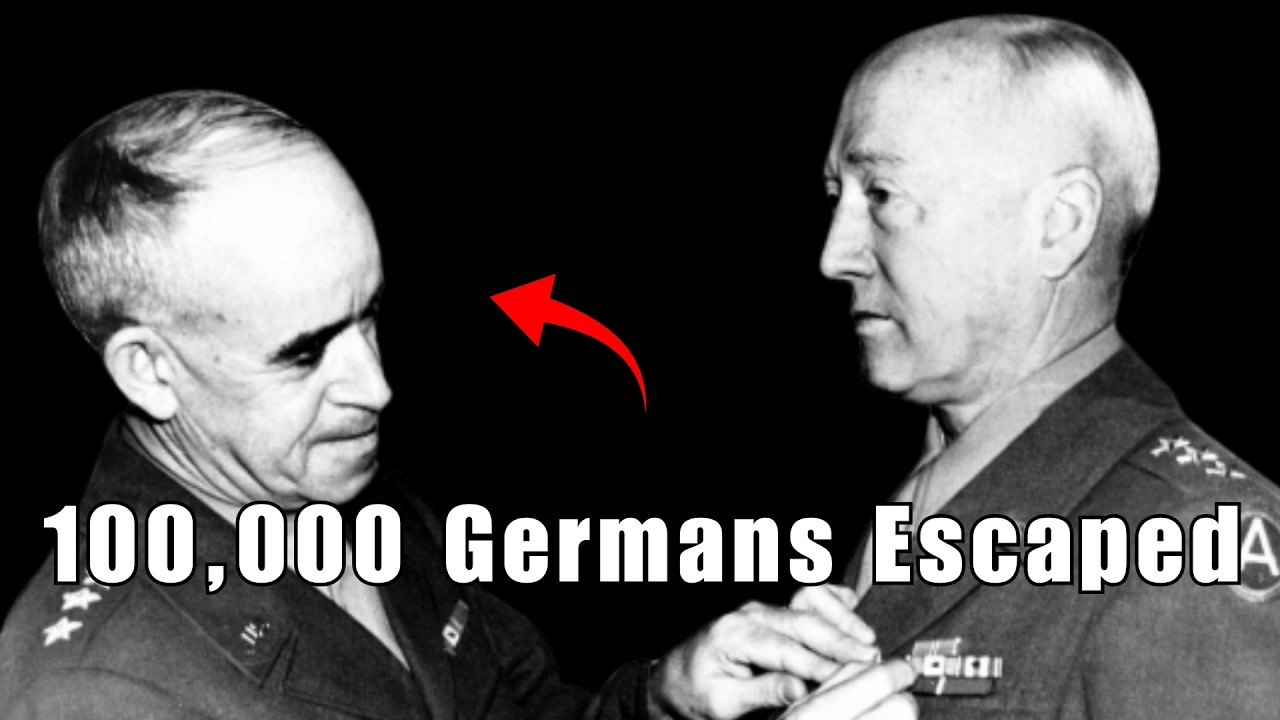
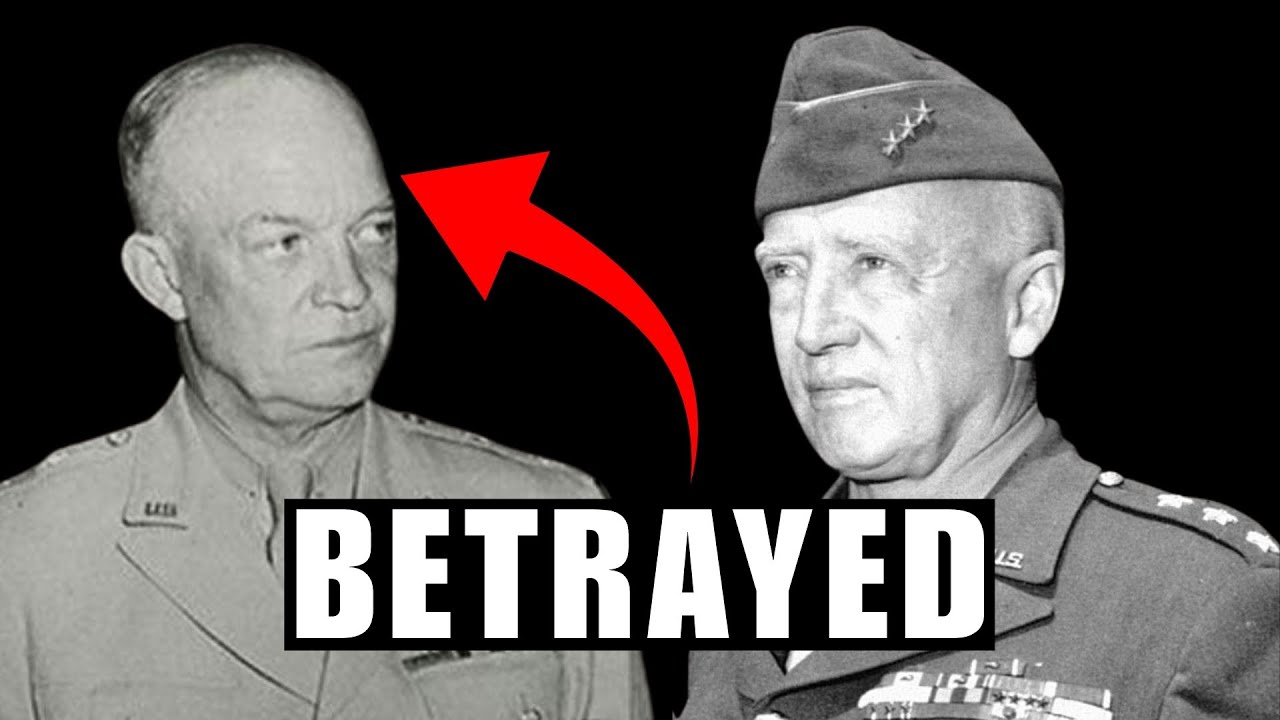
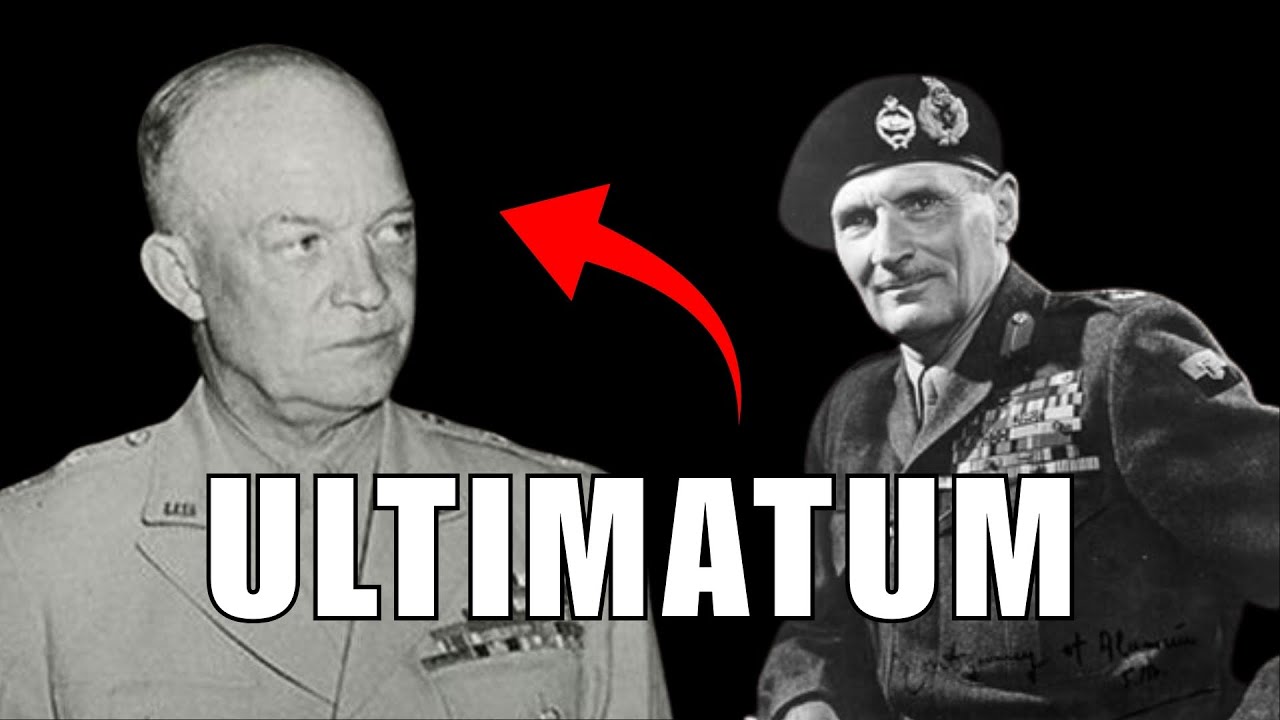
January 7, 1945. A press conference in Belgium ended a military command.Montgomery held a seven-minute briefing about the Battle of the Bulge. He positioned himself as the savior of American forces. Within 48 hours, the alliance nearly collapsed.Omar Bradley—the calmest general in the war—walked into Eisenhower's office and delivered an ultimatum: If Montgomery continues commanding American troops, I will resign.This is the story of how two phone calls, two cables, and one forced apology prevented a command crisis. And why Montgomery never commanded Americans again.Not because of a battle. Because of paperwork.Mechanism visible.
WHAT THIS VIDEO COVERS
Most documentaries tell you about Patton vs Montgomery rivalry. This one shows you the crisis almost nobody covers: Bradley's breaking point.We examine the mechanism that held the alliance together—and what happened when it broke:
Montgomery's press conference (exact transcript)
Bradley's ultimatum to Eisenhower (documented threat to resign)
Churchill's emergency intervention (Prime Minister to Supreme Commander)
The forced apology (drafted, edited, approved before Montgomery could send it)
The permanent consequence (Montgomery never commanded U.S. forces after January 1945)
This isn't personality drama. It's system analysis.When the professional general who never complained finally broke protocol—Eisenhower had to choose: American command structure or British cooperation.He chose both. And lost the trust between them forever.
WHY THIS MATTERS
This video examines command politics at the highest level:
When does ego cross into insubordination?
How do you preserve an alliance when public image destroys private trust?
What happens when the mechanism managing egos—phone calls, cables, carefully worded letters—becomes visible?
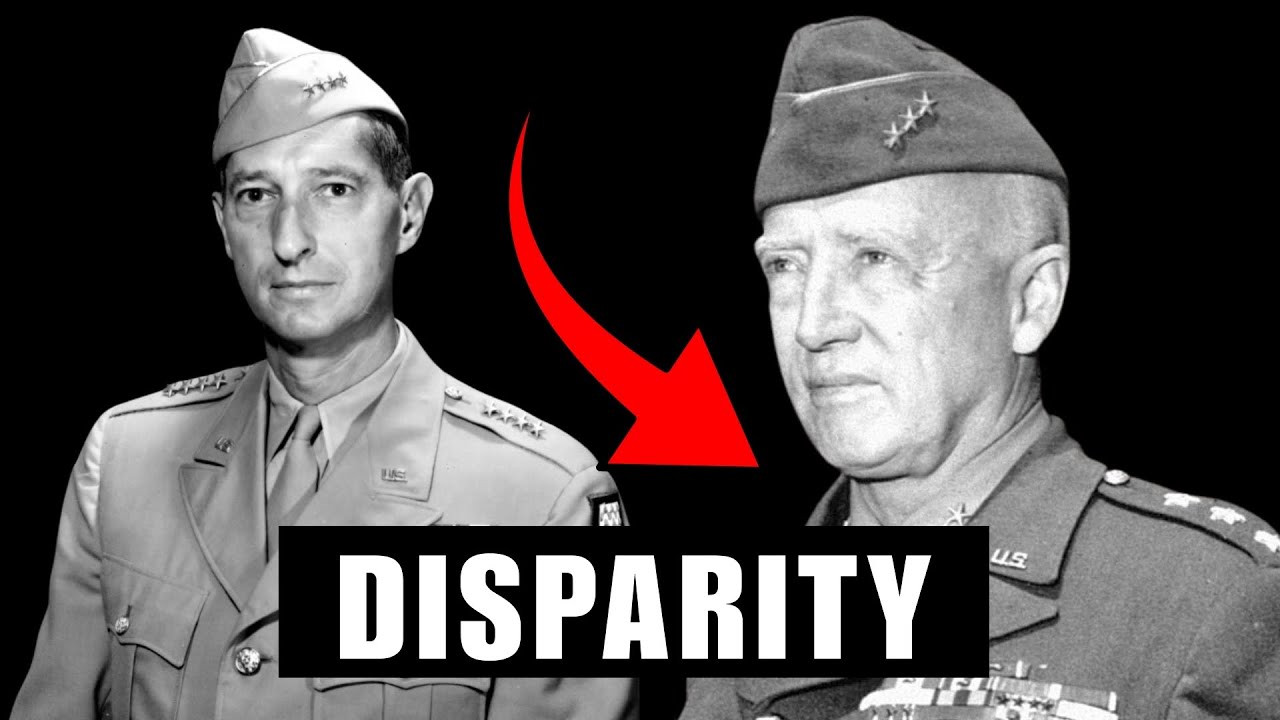
Montgomery was tactically competent. Bradley was professionally correct. Churchill was diplomatically essential.But one press conference broke the system.And the paperwork that followed reveals how wars are won off the battlefield.
📚 HISTORICAL ACCURACY STATEMENT
This video analyzes documented events from January 7-18, 1945 based on:
Bradley, Omar. A Soldier's Story (1951) - First-person account of ultimatum to Eisenhower
Eisenhower, Dwight D. Crusade in Europe (1948) - Supreme Commander's perspective on crisis
Montgomery, Bernard. Memoirs (1958) - Montgomery's defense of press conference
Churchill, Winston. The Second World War, Vol. VI (1953) - Prime Minister's intervention
National Archives: SHAEF Command Records, January 1945 - Official cables and correspondence
Press conference transcript: Montgomery HQ, January 7, 1945 - Exact wording documented
All quotes attributed to historical figures are sourced from primary documents or first-person memoirs. Command decisions verified through official military records.Paraphrased documents (Churchill's cable to Montgomery) are clearly labeled as such. No disputed quotes included.This is educational analysis of command crisis management during World War II.No invented events. No fabricated claims.For academic research, consult primary sources listed above.
📚 HISTORICAL ACCURACY & DRAMATIZATION NOTICE
This video is based on verified historical records, military
archives, and documented accounts.
To enhance the narrative experience, some scenes have been
dramatized and dialogue has been reconstructed from historical
documentation, after-action reports, and witness testimony.
Sources consulted:
National Archives and Records Administration
US Army Historical Division reports
Published military histories and memoirs
Declassified documents
For academic research, please consult primary sources and
professional historians.
Повторяем попытку...
Доступные форматы для скачивания:
Скачать видео
-
Информация по загрузке: