Roe deer. Stirnas ziemā
Автор: Slitere National Park
Загружено: 2011-03-06
Просмотров: 7638
Описание:
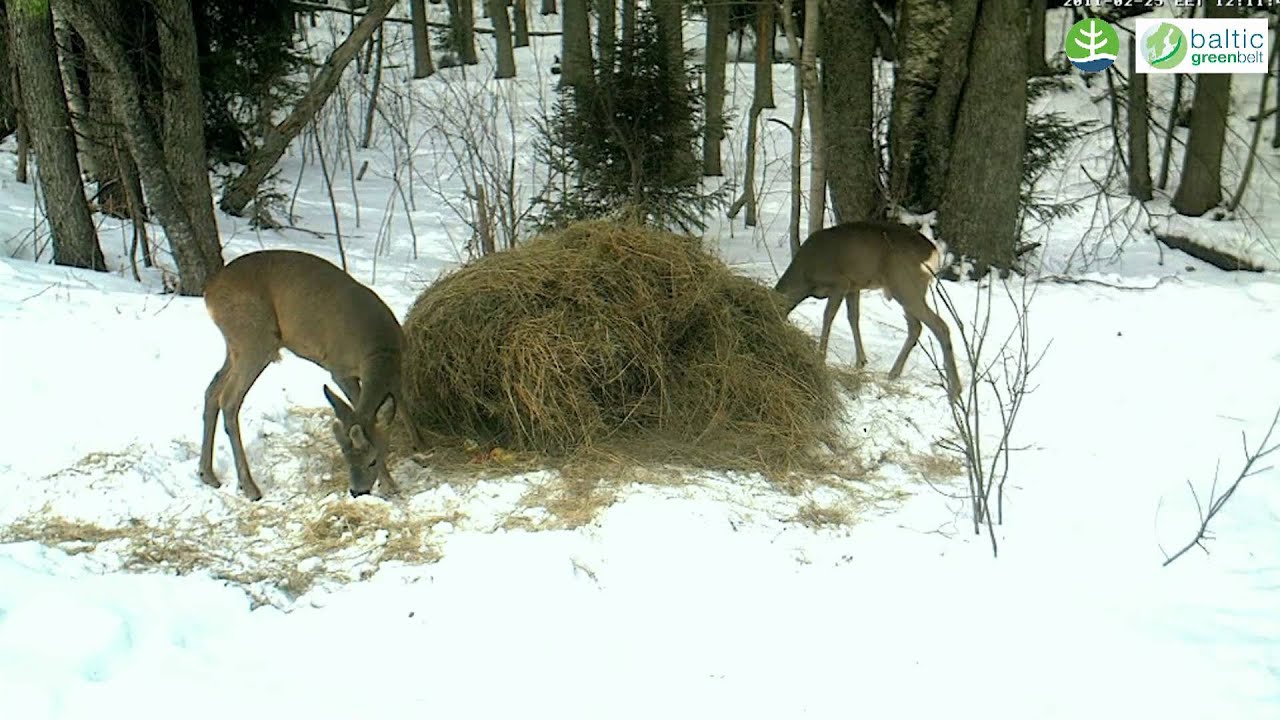
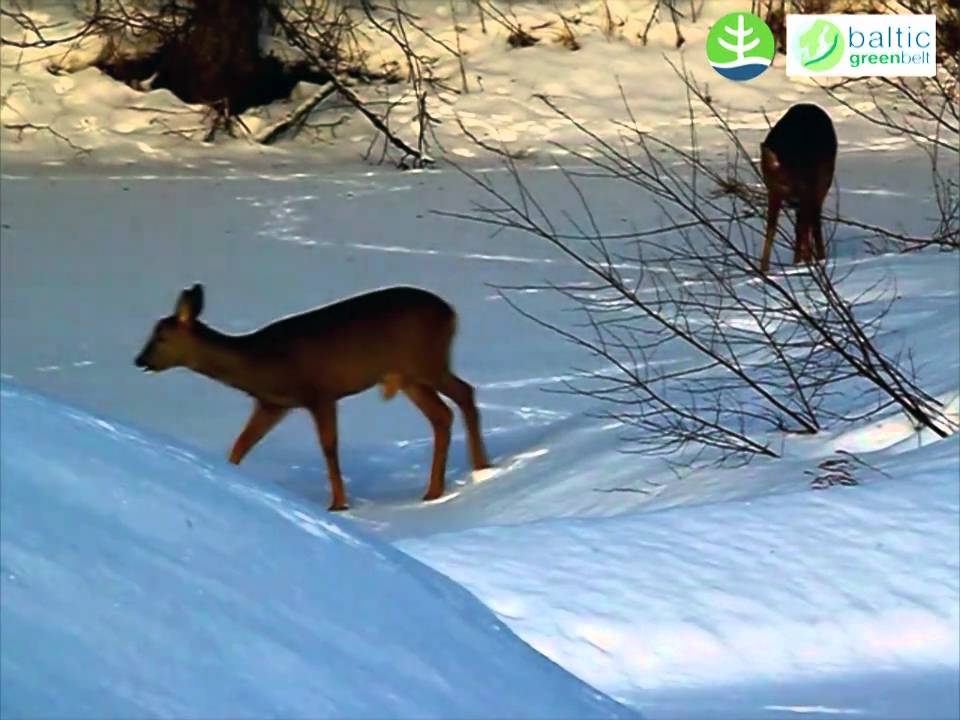
Roe deer is the smallest deer in Latvia. In winter roes feed on small branches, tree and fern buds and sometimes they manage to find browse of caulescent plants. If they can't find anything else, they eat also last year's grass and hay. Snow is a great obstacle for roes in finding food. Even 30-40 cm thick snow is a nuisance as they have to scratch the snow off to get to the food. Imagine how you would feel, if you had to clear snow with haft of the spade instead of spade itself. Roes have very thin legs that are not suitable for such work, so it spends too much energy. To spend winter successfully it is very important that the snow cover doesn't stay too long. Crust is extremely dangerous as roes cut up their legs.
This winter was quite good for the roes as the snow was frozen and very strong so animals were able to walk across it. As everything is covered with ice they can easily access osiers growing by ponds and other water body. If they have the possibility, they are eager to visit graveyards, where they can find different coniferous trees and cut flowers. People usually are not very happy about that.
Orchards are another place where roes can find something to eat. Instead of eating bark they mostly choose browse and buds of fruit trees and berry bushes. Sometimes people leave hay, carrots and beets for animals to eat. But before you left something for them in your garden, you have to understand that roes tend to look for food close to settlements not only in winter but in summer too. Roes are risking their life by coming to villages as they can get in a car accident, they have to watch out from dogs and sometimes poachers.
Stirna ir mazākais Latvijas briedis un barība, ko tā ēd ir smalkāka nekā staltbriedim un alnim. Ziemā tās barojas ar mellenājiem, viršiem, sīkiem zariņiem, koku un paparžu pumpuriem, reizēm tām izdodas zem sniega atrast jaunos lakstaugu dzinumus. Lielā badā netiek smādēta kūla un siens. Sniegs liedz stirnām iespēju brīvi pārvietoties barības meklējumos. Jau 30 - 40 cm bieza sniega sega ir milzu apgrūtinājums. Lai piekļūtu barībai, kuru sedz sniega sega, stirnām nākas nokasīt sniegu. Iedomājaties, kā jūs justos, ja jums nāktos rakt sniegu nevis ar pašu lāpstu, bet ar lāpstas kātu. Stirnu tievās kājas šim darbam nav piemērotas, tāpēc dzīvnieks spiests nelietderīgi patērēt daudz enerģijas. Sekmīgai pārziemošanai svarīgi, lai sniega sega neturētos ilgi, jo īsāks sniega periods, jo labāk. Ļoti bīstama ir sērsna, kurā stirnas nopietni savaino kājas. Šī ziema, ar sasalušo, cieto sniegu, ļauj stirnām brīvi pārvietoties pa sniega virsu, tāpēc nav stirnām īpaši nelabvēlīga. Cietais sniegs un ledus, ļauj stirnām piekļūt pār dīķi vai vigu nolīkušiem koku zariem, kuriem citos gada laikos klāt netiek. Tagad tās brīvi staigā un barojas ar pārmitrās vietās augošiem kārkliem, kuri citkārt paliek stirnu neizmantoti. Stirnas labprāt apmeklē kapus, kuros barojas ar mūžzaļajiem skujeņiem un grieztajiem ziediem, tā sagādājot nepatīkamus mirkļus kapu kopējiem. Arī augļu dārzus stirnas apmeklē labprāt, kur barojas ar augļu koku un ogulāju jaunajiem dzinumiem un pumpuriem. Koku mizu stirnas negrauž. Cilvēki ziemā mēdz stirnas piebarot izliekot siena klēpjus, burkānus, bietes. Jāatceras, ka stirnas, pieradušas baroties tiešā apdzīvotu vietu tuvumā, tepat barību meklēs arī tad, kad ziema būs pagājusi, tāpēc pirms ierīkojam stirnu barotavu savā pagalmā, padomāsim vai to vēlamies. Piesaiste apdzīvotām vietām apdraud arī pašas stirnas tās var iekļūt transporta negadījumā, stirnas apdraud suņi un reizēm arī malumednieki.
This video was produced by Slitere National Park Administration as a contribution to the Baltic Green Belt project, which is part-financed by the European Union (ERDF) within the Baltic Sea Region Programme. The Baltic Green Belt is part of the European Green Belt initiative which has the vision to create the backbone of an ecological network, running from the Barents to the Black Sea that is a global symbol for transboundary cooperation in nature conservation and sustainable development.
Baltic Green Belt: http://www.balticgreenbelt.uni-kiel.de
Повторяем попытку...
Доступные форматы для скачивания:
Скачать видео
-
Информация по загрузке: