Residency Snapshot: Enfranchisement and Bill C-31
Автор: KahnawakeTV
Загружено: 2015-08-31
Просмотров: 15735
Описание:
The fourth in a series of short segments surrounding residency in Kahnawà:ke. http://www.kahnawake.com/residency
Canada has a long history of assimilation policies that all have a similar goal; assimilate Indians into the greater Canadian body as citizens. Many First Nations do not want this because they are already their own Nations.
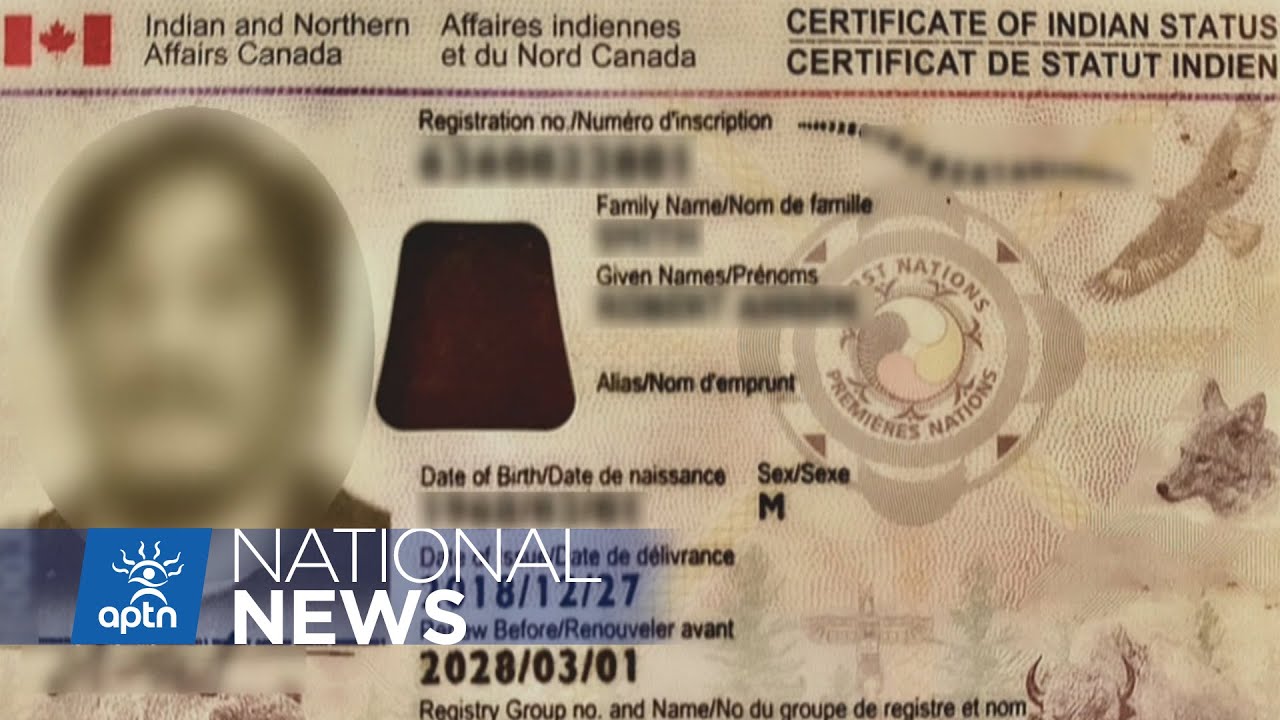
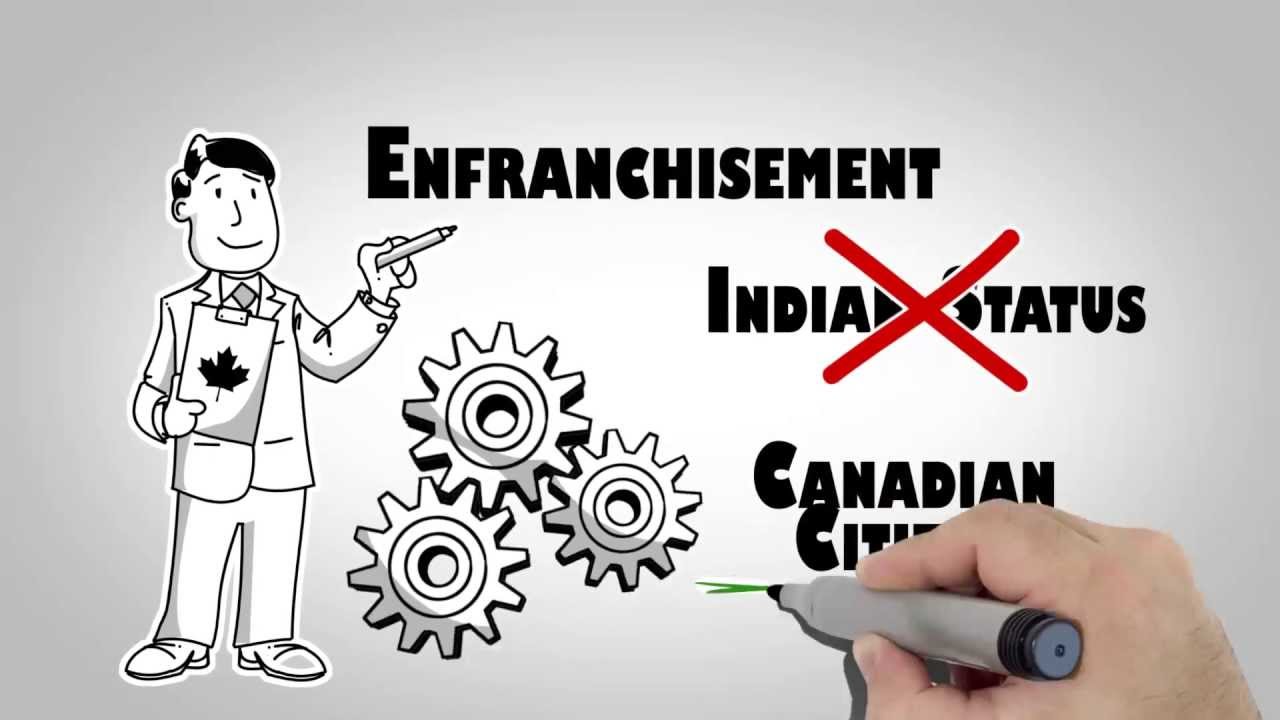
A major role of these policies is enfranchisement, which simply put, is giving up Indian status and becoming a Canadian citizen.
Prior to the Indian act, enfranchisement was voluntary. However, after failing to convince First nations, it was enforced in the Indian Act of 1876.
So, how did enfranchising work?
• If you wanted to obtain a university degree or became a professional such as a doctor or lawyer, you were enfranchised.
• If you lived off-reserve for a period of 5 years or more, you were enfranchised
• If you were in the Armed Forces, you were automatically enfranchised.
• Wanted to take part in the Canadian electoral system? You were enfranchised.
• Women who married non-Native men were enfranchised as were their children.
In a nutshell, if you were enfranchised, you were Assimilated and not able to reside in your own First Nations Territory.
In 1985 Canada passed Bill C-31 re-instating enfranchised people with Indian Status. However, Bill C-31 also allowed for bands to take control of their own membership.
Повторяем попытку...
Доступные форматы для скачивания:
Скачать видео
-
Информация по загрузке: