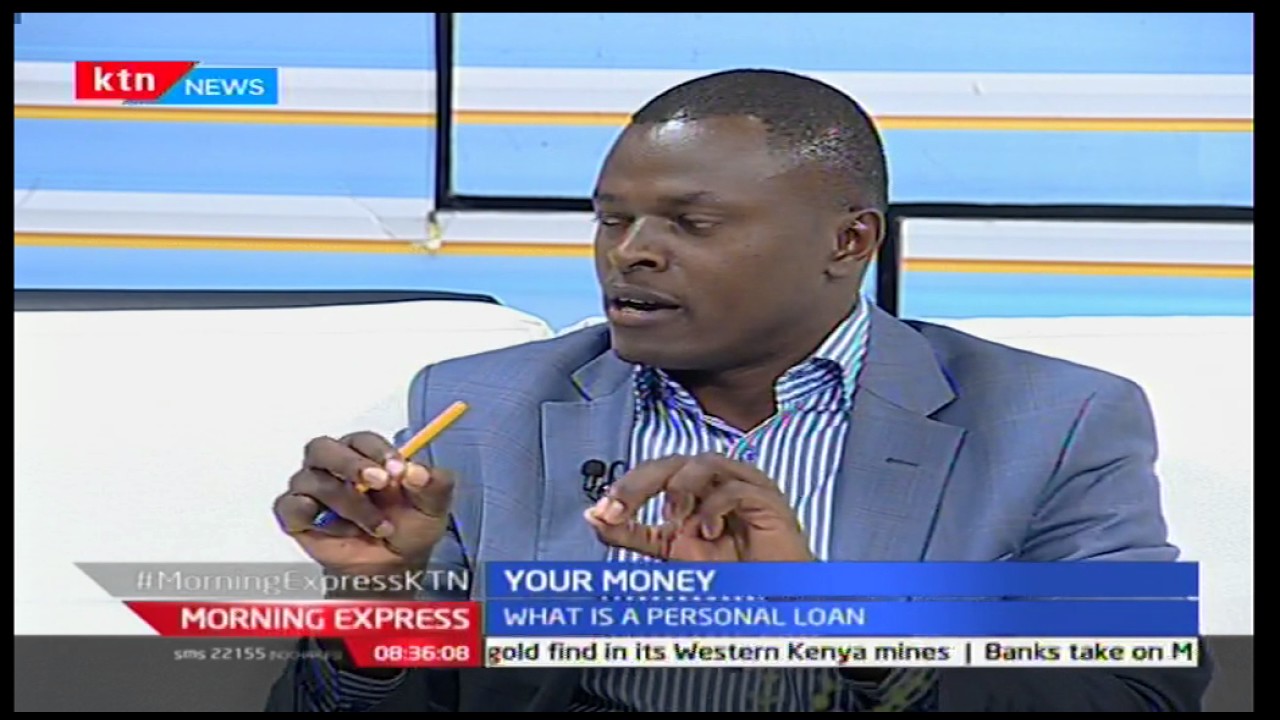
"All Work MUST be PAID" - Dr. Clarence Eboso 2/3
Автор: Daktari A Quick One
Загружено: 2026-02-24
Просмотров: 240
Описание:
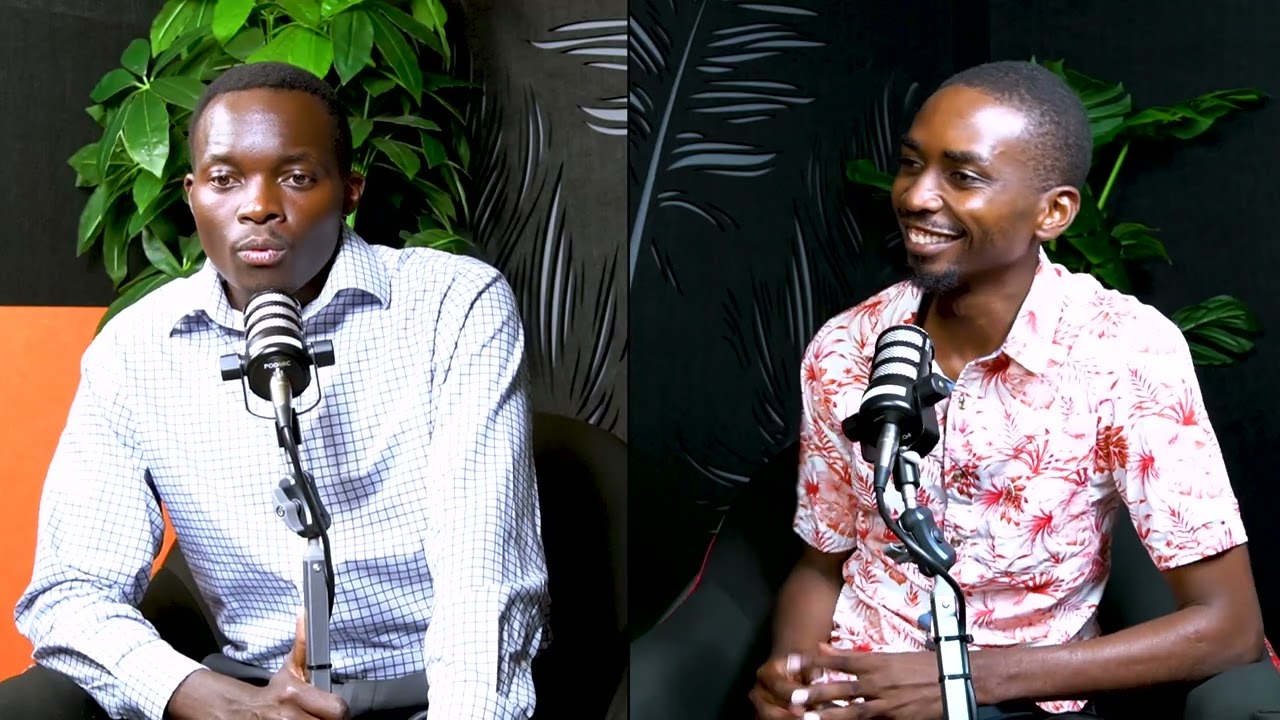
IIn the second part of his revealing interview on Daktari: A Quick One, Dr. Clarence Eboso goes beyond union politics and dives deep into the structural challenges facing Kenya’s healthcare system.
Speaking to host Dr Festus Nyadimu, Dr. Eboso — who is vying for the Secretary General position at the Kenya Medical Practitioners, Pharmacists and Dentists Union (KMPDU) — offers a bold and nuanced analysis:
Kenya’s healthcare crisis is not caused by devolution — it is caused by the healthcare system model itself.
Devolution Is Not the Enemy — The System Design Is
For years, many stakeholders have blamed devolution for the challenges in Kenya’s health sector: delayed salaries, strikes, internship placement delays, and inconsistent service delivery across counties.
However, Dr. Eboso challenges this narrative.
He argues that the real issue lies in:
A poorly structured healthcare training and employment model
Lack of clear transition pathways from internship to postgraduate training
Weak policy coordination between counties and national referral institutions
Absence of a standardized consultant training pipeline
According to him, devolution merely exposed the structural weaknesses that already existed within the system.
Before vs After Devolution: The Consultant Training Pathway
Dr. Eboso paints a compelling picture comparing the journey to becoming a consultant before and after devolution.
Before Devolution:
Clearer centralized pathways
Structured referral systems
Defined postgraduate sponsorship channels
Predictable consultant training progression
After Devolution:
Fragmented employment structures
Counties paying doctors who rotate to national referral facilities
Unclear sponsorship and bonding policies
Delays in postgraduate placements
Uncertain timelines for career advancement
He argues that without a clearly defined national framework, young doctors remain stuck in transition — contributing to frustration, industrial action, and rising unemployment among medical officers.
The Real Cause of Doctor Unemployment in Kenya
One of the most powerful segments of the interview focuses on unemployment.
Dr. Eboso demonstrates a deep understanding of what he considers the core issue:
Unemployment is not merely about job scarcity — it is about lack of structured transitional timelines and postgraduate training models.
He explains that Kenya produces competent doctors annually, but:
There is no guaranteed transition plan from internship to medical officer to specialist training.
Postgraduate slots are limited and inconsistently funded.
Counties hire without long-term workforce planning models.
There is no integrated national specialist training strategy.
This creates a bottleneck — where qualified doctors remain underutilized despite the country’s massive healthcare gaps.
Proposal: Adopt a Collegiate System of Training
Dr. Eboso proposes a fundamental shift in specialist training:
Move from University-Affiliated Programs to a Collegiate Training Model
Instead of relying primarily on university-based postgraduate programs, he suggests adopting a collegiate system, similar to structured training colleges seen in other countries.
Under this model:
Training would be competency-based rather than time-based.
Accreditation would be handled by professional colleges.
Hospitals would become structured training sites.
National workforce planning would align with training capacity.
Clear progression timelines would reduce stagnation.
He argues that this system would:
Increase training capacity
Standardize consultant qualification pathways
Reduce delays
Improve quality assurance
Align training with national health needs
“All Work Must Be Paid” — Ending the Culture of Unpaid Labour
Perhaps the most emphatic moment in the episode is Dr. Eboso’s strong criticism of unpaid medical labour.
He challenges the entrenched culture where:
Postgraduate trainees work long hours without structured remuneration.
Counties pay salaries for doctors rotating to national referral hospitals.
Internship and postgraduate roles are treated as academic obligations rather than labour.
His stance is clear:
“All work must be paid.”
National workforce planning strategy
Adoption of a collegiate specialist training system
Clear transition timelines for doctors
Constitutional and policy-driven union leadership
Elimination of unpaid medical labour
Why This Conversation Matters
At a time when Kenya continues to experience:
Recurrent doctors’ strikes
Internship placement crises
Delayed salaries
Specialist shortages
This conversation moves beyond surface-level blame and offers a systemic analysis of the problem.
Whether one agrees with his proposals or not, Dr. Eboso brings a policy-driven, structured approach to the healthcare debate — one that challenges conventional narratives about devolution and pushes for deeper reform.
Повторяем попытку...

Доступные форматы для скачивания:
Скачать видео
-
Информация по загрузке: