The Real Cost of Skipping the Work in Your Legal Career
Автор: That One Lawyer
Загружено: 2026-03-11
Просмотров: 110
Описание:
What does accountability actually look like in the legal profession?
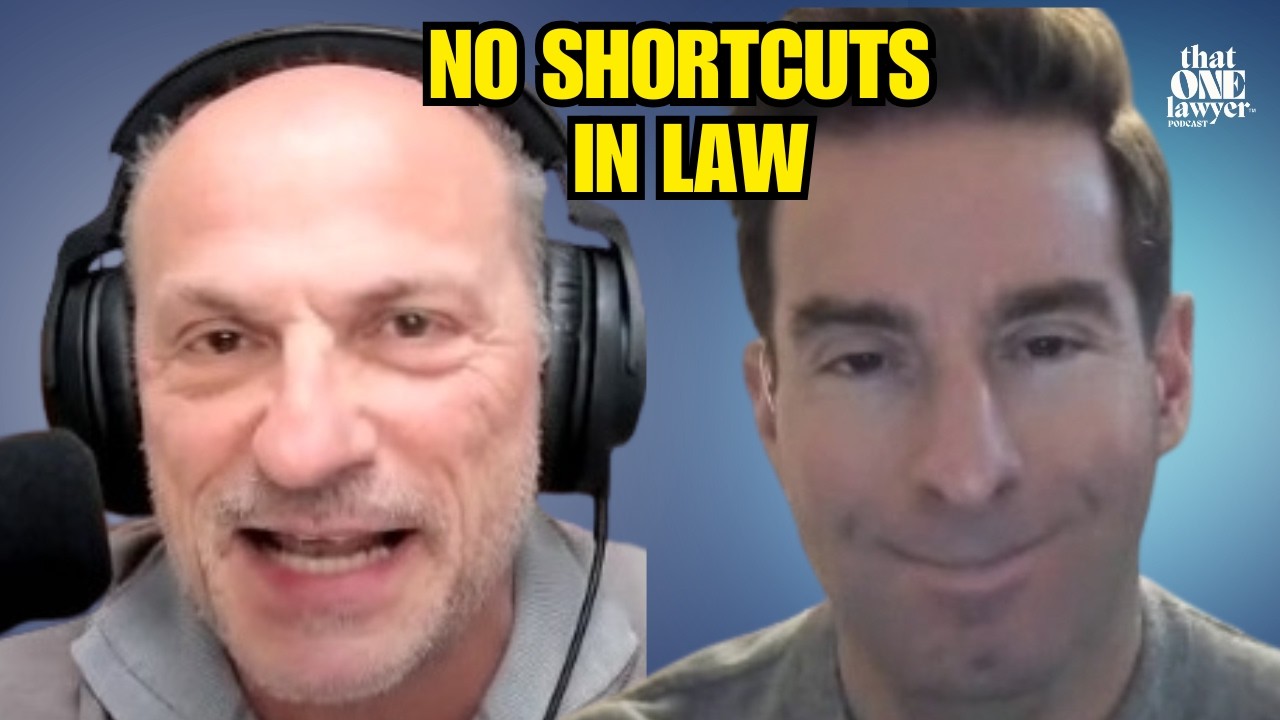
In this episode of That One Lawyer Podcast, Neal Goldstein sits down with former federal prosecutor, CNN senior legal analyst, and New York Times bestselling author Elie Honig for a conversation about credibility, power, and the realities of building a legal career.
Honig’s career spans some of the most demanding environments in American law. After graduating from Rutgers and Harvard Law School, he spent nearly a decade in the Southern District of New York prosecuting organized crime and human trafficking cases. Later he led the New Jersey Division of Criminal Justice before unexpectedly stepping into a national media role explaining high-stakes legal events.
But this conversation is not about headlines or political strategy.
Instead, Honig reflects on the deeper foundations of the profession. Growing up around his father’s small law practice in Cherry Hill, New Jersey, he saw firsthand that law is rarely glamorous. Files had to be organized, clients had to be served, and ethics had to be maintained day after day. That early exposure shaped his understanding of what being a lawyer really means.
Throughout the discussion, one theme keeps resurfacing: accountability.
As a prosecutor handling organized crime investigations, Honig often confronted cases where power was used to exploit people who had little ability to defend themselves. For him, the responsibility of prosecution was not abstract. It was about protecting individuals and communities from systems of intimidation and coercion.
The episode also explores the human side of justice. Honig discusses his family history as the grandson of Holocaust survivors and how that legacy shaped his understanding of responsibility, fairness, and legal process. In reporting on the trial of Adolf Eichmann decades later, he saw how accountability can serve both legal and historical purposes.
Honig also explains how his career unexpectedly expanded into legal media. After years in prosecution and private practice, colleagues encouraged him to begin appearing on television to explain developments in federal investigations. What began as occasional appearances quickly turned into a full-time role as a national legal analyst.
Despite the visibility of media work, Honig emphasizes a lesson he believes young lawyers must understand early: authority in law comes from substance.
You cannot explain legal systems, investigations, or court decisions if you have never worked inside those systems. Credibility is earned through experience, not shortcuts.
For law students and young attorneys trying to navigate their careers, this episode offers an honest look at how legal reputations are built. It also highlights the importance of mentorship, relationships, and intellectual independence in a profession that often faces political pressure.
Topics discussed in this episode include:
• Lessons from prosecuting organized crime in the Southern District of New York
• The influence of family history on a lawyer’s sense of justice
• Why credibility in legal media requires real legal experience
• Mentorship and relationships in legal career development
• How young lawyers build authority over time
• The tension between legal analysis and political commentary
• Why the rule of law ultimately depends on accountability
If you are building a career in law or simply want to understand how lawyers think about power, responsibility, and public trust, this conversation offers rare insight into the mindset behind the profession.
Subscribe to That One Lawyer Podcast for more conversations with prosecutors, trial lawyers, judges, and legal thinkers who are shaping the future of the legal profession.
Повторяем попытку...
Доступные форматы для скачивания:
Скачать видео
-
Информация по загрузке:











![Как представить 10 измерений? [3Blue1Brown]](https://imager.clipsaver.ru/tCIARwH01Ac/max.jpg)