Hemoarthrosis of the knee,Knee swelling .Everything You Need To Know - Dr. Nabil Ebraheim
Автор: nabil ebraheim
Загружено: 2014-05-09
Просмотров: 79006
Описание:
Educational video describing the condition of hemarthrosis of the knee.
Hemarthrosis is blood inside the knee or bleeding into the knee joint space. The swelling or fluid inside the knee joint is usually relieved with aspiration.
Aspiration technique
The needle is inserted from the lateral side of the knee just above the upper border of the patella. The needle enters below the patella into the suprapatellar bursa which is continuous with the joint cavity. For injection of the knee, the needle is inserted at the lower border of the patella on either side of the patellar tendon at the soft spot.
Color of the aspirated fluid
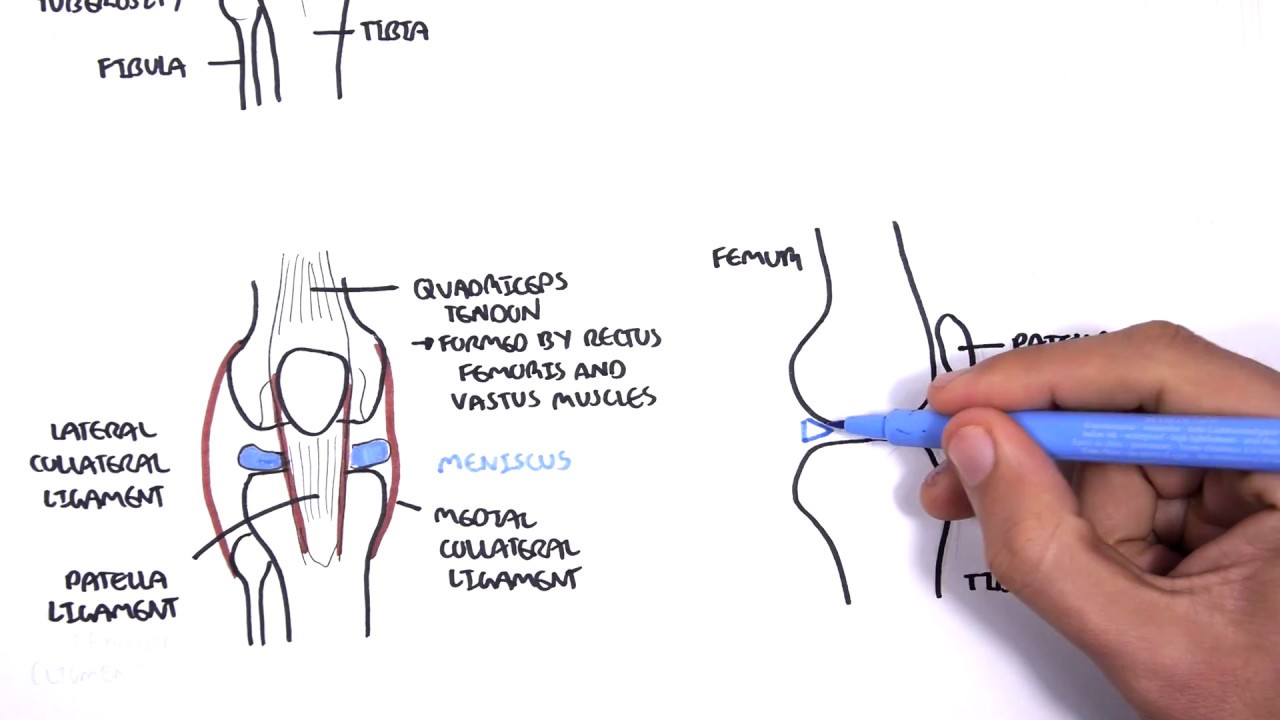
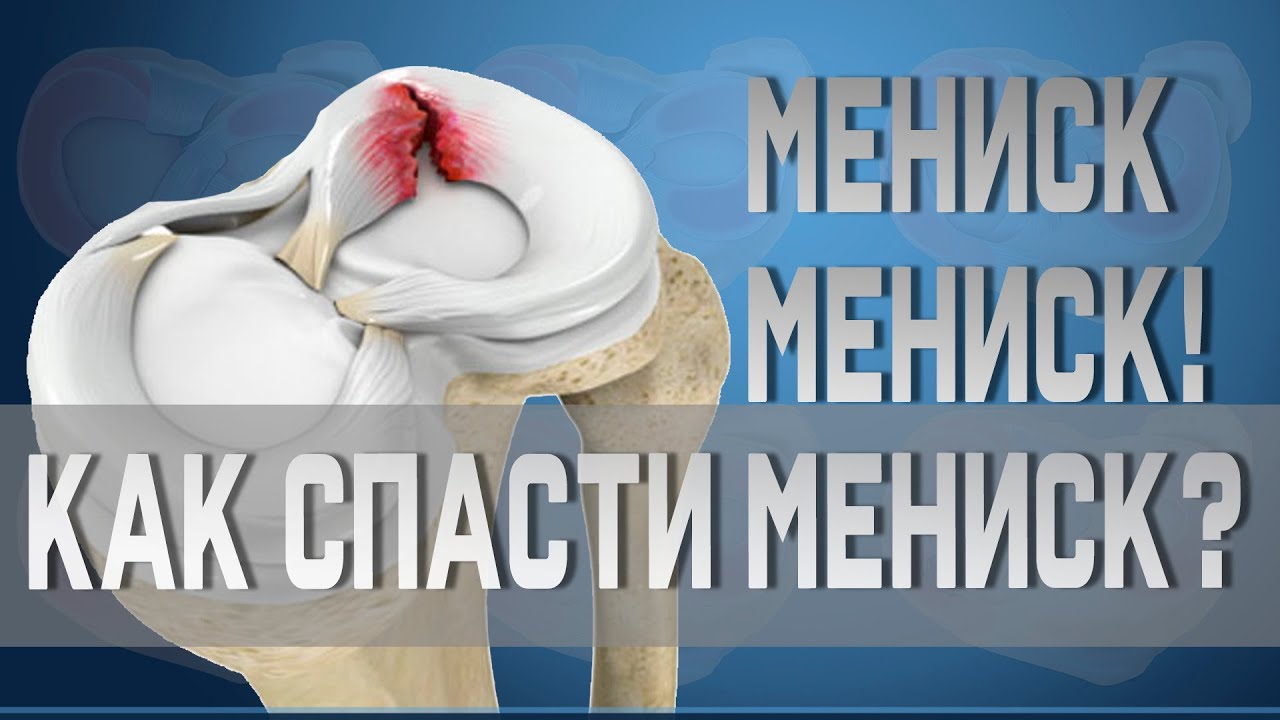
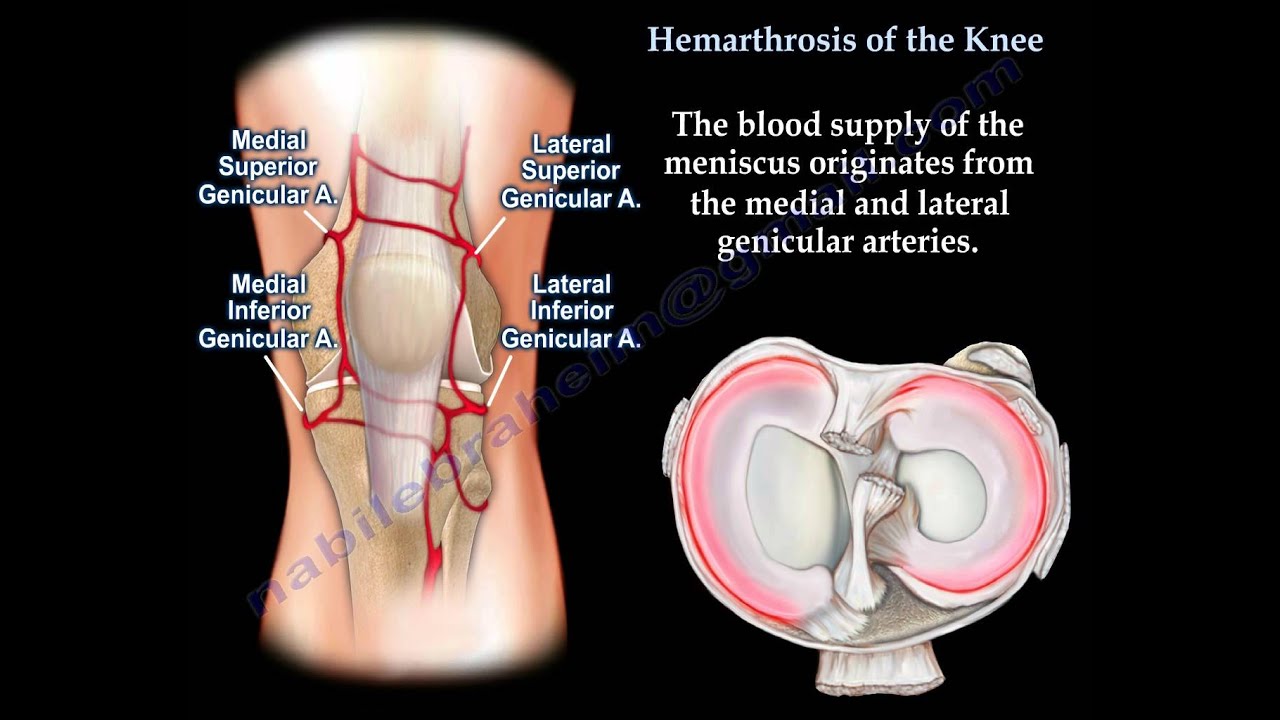
Not blood effusion: probably due to synovial irritation caused by chronic processes such as gout, pseudogout, arthritis, rheumatoid arthritis, or degenerative meniscus. A degenerated meniscus may be associated with swelling and fluid collection. Usually not bloody. The peripheral portion of the meniscus is vascular (about 3-5 mm ). The blood supply of the meniscus originates from the medial and lateral genicular arteries. Degenerative meniscus effusion is not bloody. However, traumatic tear of the meniscus may cause bleeding inside the knee joint.
Bloody effusion could be trauma related or non-trauma related. Hemoarthrthosis can be caused by trauma or injury to the structures of knee such as ACL, PCL, or meniscus. the middle genicular artery supplies the cruciate ligaments. Hemarthrosis can also occur due to tibial plateau fractures, chondral fractures, patellar dislocation, or a meniscal tear. Hemarthrosis can also occur due to non-trauma conditions such as PVNS, sickle cell anemia, hemophilia, anticoagulation or hemorrhage following total knee replacement. Hemarthrosis from trauma or injury indicates a significant knee injury such as ACL (75%-80%) or meniscal tear. If aspiration of the knee after trauma shows hemarthrosis, early evaluation of the injury may be necessary to define the extent of damage. The physician may get an MRI early. The absence of hemarthrosis does not mean less severe ligament injury, the blood may escape without distending the capsule. A severe injury may cause minimal or severe joint effusion. More than 20 cc of fluid may affect the quadriceps function and prevent full extension of the knee.
A hematoma should be evacuated. The bloody aspirate should be examined for fat to rule out fracture. The aspirate may vary in color depending on the severity of the injury and the duration of the symptoms. Fat is less dense than blood and fat floats on the surface. Blood is heavier and stays on the bottom. The presence of fat/fluid level is diagnostic of a fracture even if a fracture is not seen by x-ray (occult). Fat/fluid level is usually seen with tibial plateau, chondral and patellar fractures. Cross table lateral view of the knee shows it well. Lipohemarthrosis is only seen on horizontal x-ray beam with the beam parallel to the floor. It occurs in 40% of all fractures inside the joint.
Become a friend on facebook:
/ drebraheim
Follow me on twitter:
https://twitter.com/#!/DrEbraheim_UTMC
Background music provided as a free download from YouTube Audio Library.
Song Title: Every Step
Повторяем попытку...
Доступные форматы для скачивания:
Скачать видео
-
Информация по загрузке: