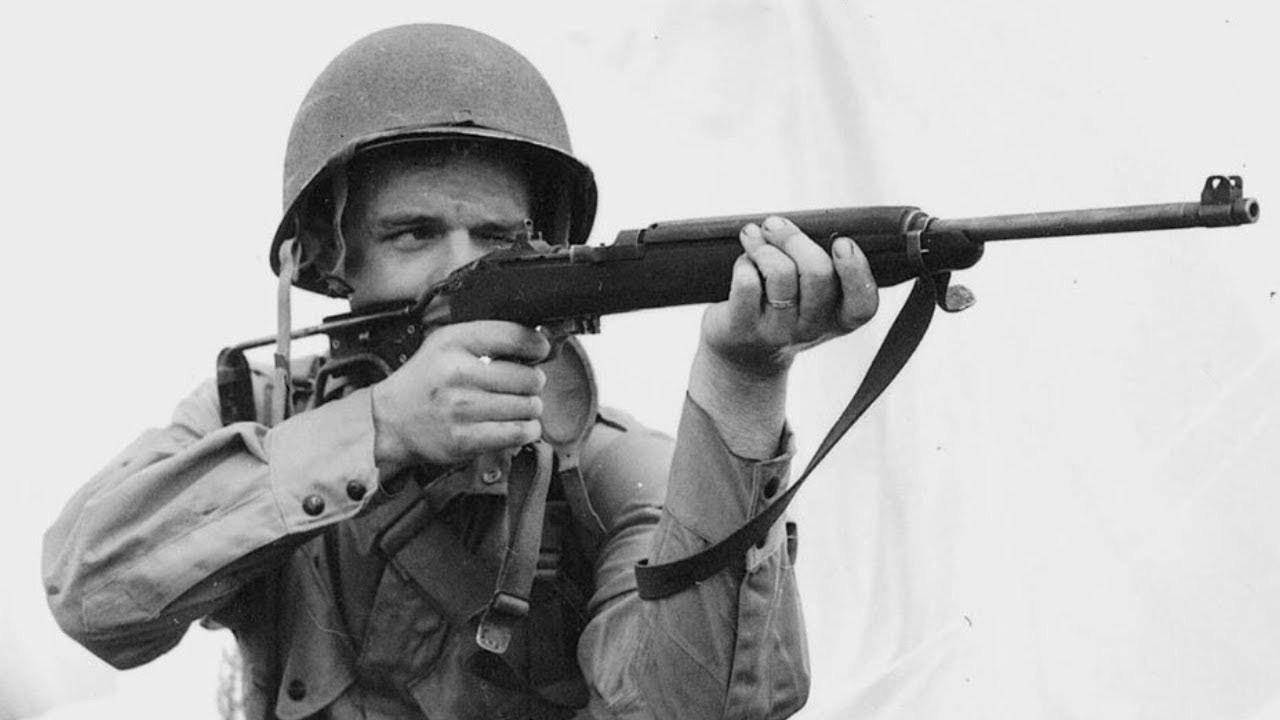
Japan Stunned by America's M1/M2 Carbine—150 M3 Infrared Units Caused 30% of Rifle Deaths at Okinawa
Автор: WWII Battle Memories
Загружено: 2025-10-04
Просмотров: 9
Описание:
Japan Stunned by America's M1/M2 Carbine—150 M3 Infrared Units Caused 30% of Rifle Deaths at Okinawa (1945)
April 1, 1945. The largest amphibious assault in Pacific Theater history crashes onto Okinawa's beaches. American Sixth Army and Marine forces pour ashore under Lieutenant General Simon Bolivar Buckner Jr. The goal is brutal arithmetic: seize the last major stronghold before Japan itself. But hidden among the standard-issue M1 Garands and Thompson submachine guns, 150 soldiers carry weapons that look like science fiction made real. The US Army T3 carbine with T120 infrared sniperscope. For the first time in human warfare, American troops can see in complete darkness and kill what they see. The Japanese Thirty-Second Army under Lieutenant General Mitsuru Ushijima has no idea what is coming for them in the night.
The weapon changes everything. Within the first week of the Okinawa campaign, thirty percent of all Japanese casualties inflicted by American rifle and carbine fire come from these 150 infrared-equipped carbines. Not from the 180,000 invasion troops. Not from the massive artillery bombardments or naval gunfire. From 150 men with rifles that turn night into day, wielding what their fellow soldiers call "Buck Rogers ray guns."
The story begins two years earlier, in the steaming jungles of Guadalcanal and New Guinea, where American soldiers learned to fear the darkness. Japanese infiltration tactics had terrorized Allied forces across the Pacific. Small teams of Imperial soldiers, armed with nothing more than Arisaka bolt-action rifles, bayonets, and grenades, would slip through American lines under cover of night. They moved like ghosts through the jungle, striking at command posts, cutting communication lines, and vanishing before dawn. The psychological impact was devastating. American troops, exhausted from daylight combat, found no rest after sunset.
Technical Sergeant William Morrison of the 32nd Infantry Division later described the terror: "You'd hear them moving out there in the dark. Rustling in the leaves, maybe a twig snapping. You couldn't see a damned thing, but you knew they were coming. Sometimes they'd just lie there for hours, waiting for you to fall asleep. Then you'd wake up to find your buddy's throat cut in the foxhole next to you."
M2 Mortar World War II
60mm Mortar Pacific War
Edgar Brandt Mortar History
Guadalcanal banzai charge
American infantry weapons WWII
Henderson Field defense 1942
U.S. Marine Corps history
Buford Anderson Medal of Honor
Eugene Sledge mortarman
Japanese knee mortar vs American mortar
WWII factory production Firestone Reed Machinery
Iwo Jima tunnel defenses 1945
Hip pocket artillery documentary
WWII tactical weapons explained
#WWII #M2Mortar #Guadalcanal #WWIIHistory #PacificWar #Marines #MilitaryHistory #HipPocketArtillery #BattleOfIwoJima #AmericanIngenuity #WeaponsHistory #WWIIWeapons #Firepower #historychannelstyle
Повторяем попытку...
Доступные форматы для скачивания:
Скачать видео
-
Информация по загрузке: