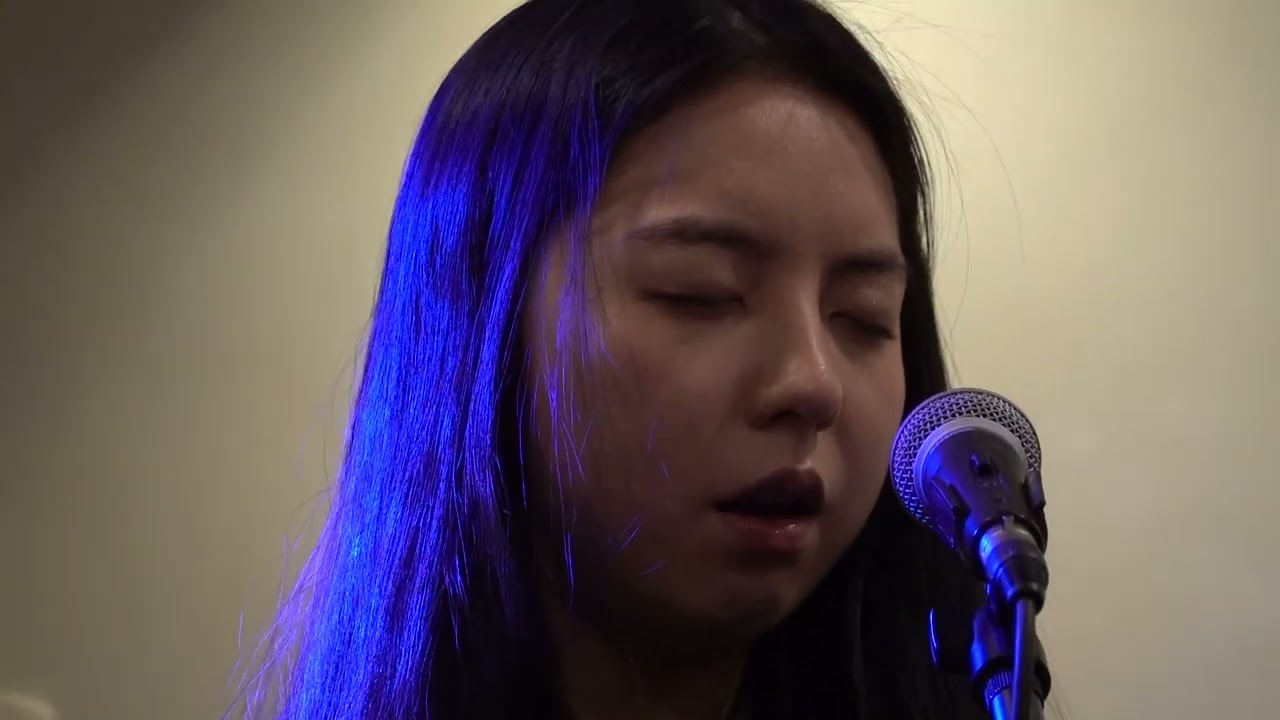
A Third Way: Chinese Composers Beyond the Binary
Автор: KLASSIKOM
Загружено: 2026-02-19
Просмотров: 6
Описание:
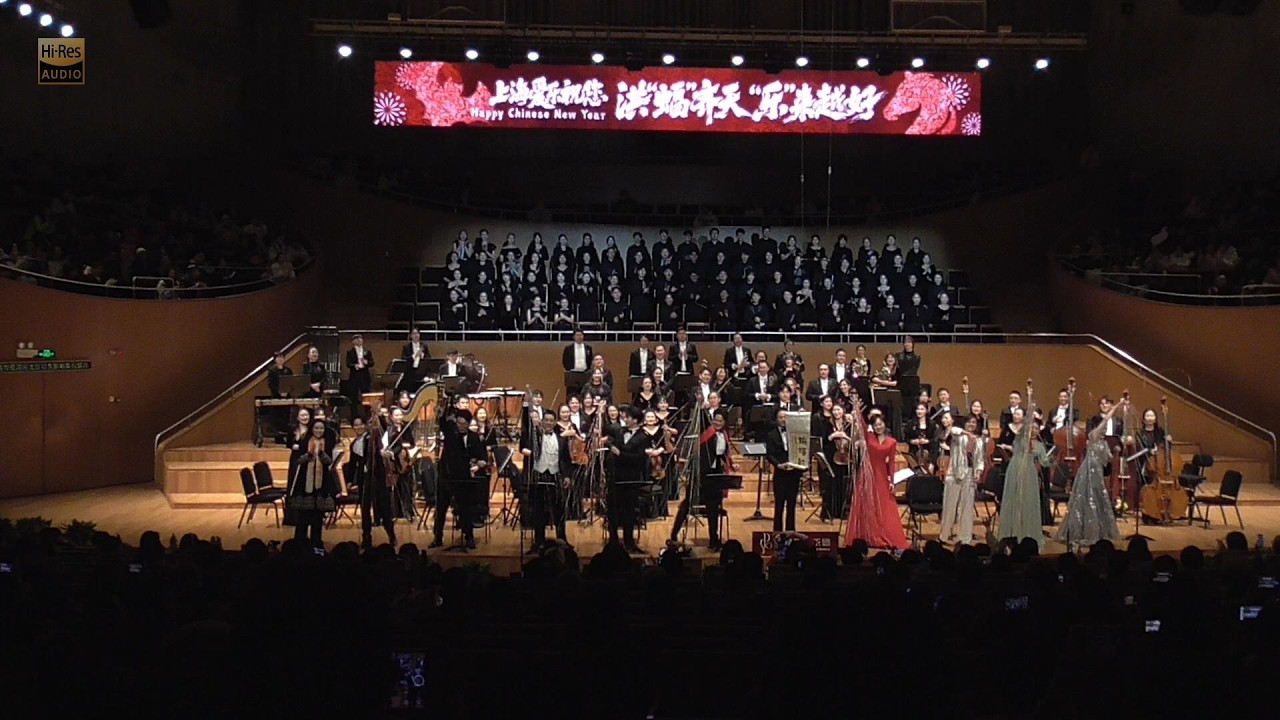
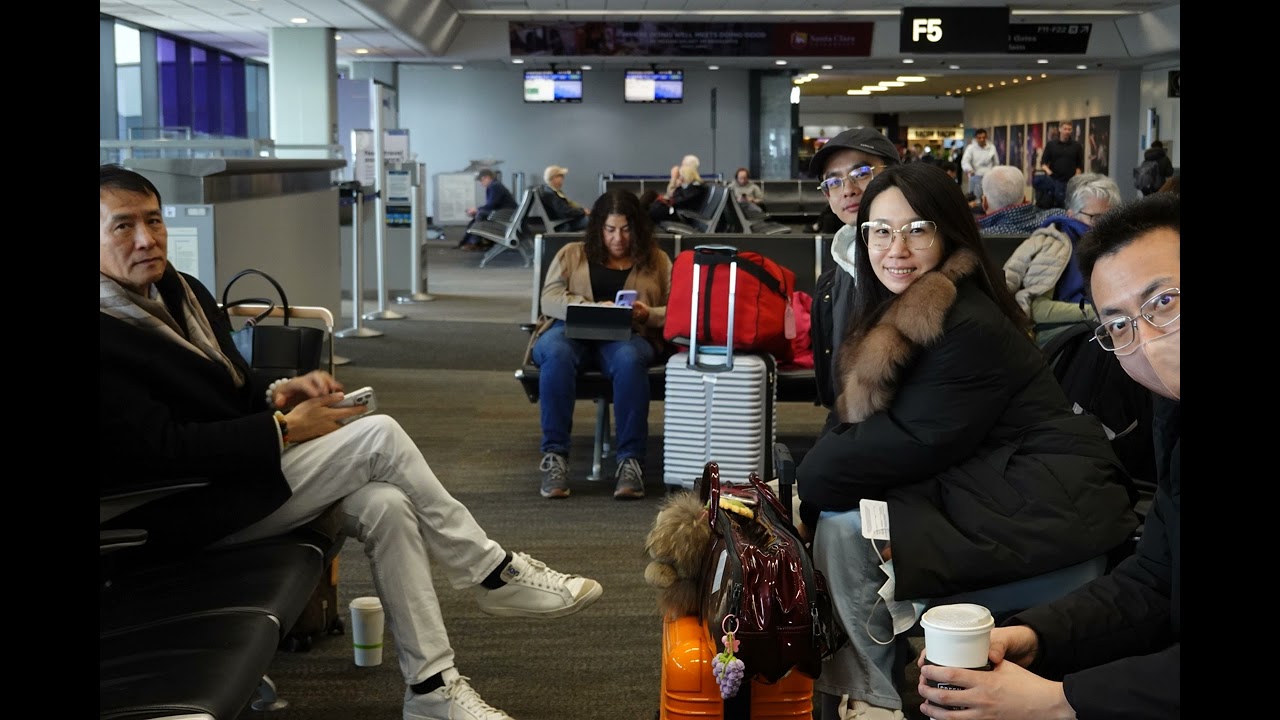
Led by Ye Xiaogang, a delegation of fourteen performers, administrators, and composer-representatives from the Shenzhen Conservatory of Music at the Chinese University of Hong Kong converged from Beijing, Shanghai, Hong Kong, Taipei, and Seoul before crossing hemispheres - from East to West - to San Francisco. After lengthy delays, they arrived in Kansas City late last night.
Their purpose was clear: to sound a rallying call for contemporary Chinese music across the Americas.
Their mission is both artistic and symbolic. Over the coming days, they will present chamber works by some of China’s most established composers alongside emerging voices, offering audiences a rare opportunity to encounter the inner landscapes of artists living and working in China today.
The aim is not merely to export repertoire, but to open a doorway, to illuminate what preoccupies, troubles, and inspires composers operating within China’s complex cultural environment, including those working squarely within the mainstream.
In Western discourse, Chinese composers are often reduced to two categories. The first comprises émigré composers, those who live and work in Europe or North America, who have absorbed Western democratic values and whose music is sometimes framed as subtly oppositional or culturally hybrid. The second includes composers who remain in China, whose works are too easily dismissed as instruments of state ideology or cultural messaging.
This binary is convenient. It allows observers to sort artistic output into familiar narratives of exile and compliance, resistance and propaganda. But it is also reductive.
There is, I would argue, a third way.
It is true that many composers in China hold academic posts in public conservatories and universities. They operate within the establishment shaped by ideological oversight and cultural regulation. These constraints are real and should not be minimized. Yet to assume that creative life within such structures is monolithic is to misunderstand both artists and art itself.
Within those same institutions are composers who wrestle with personal memory, philosophical doubt, spiritual longing, and formal experimentation. They negotiate boundaries, sometimes cautiously, sometimes boldly. They engage with tradition, modernism, and global currents not merely as policy dictates, but as artistic necessity. They may not articulate dissent in overtly political terms, but neither are they passive transmitters of doctrine.
Artistic conscience does not vanish under pressure; it adapts. It finds coded language, metaphor, abstraction. It finds chamber music, intimate, interior, resistant to grand narratives. In this sense, the delegation’s tour is more than a showcase. It is a quiet assertion that creative agency persists even in constrained environments.
The Western temptation to read every score through a geopolitical lens risks obscuring what music does best: reveal the complexity of human interiority. Contemporary Chinese composers are neither simply assimilated cosmopolitans nor mouthpieces of the state. Many inhabit a more ambiguous, more fragile, and ultimately more interesting space.
If this tour succeeds, it will not be because it corrects political assumptions. It will succeed if audiences listen closely enough to hear the multiplicity within a single cultural sphere, and recognize that conscience, like music, often speaks most powerfully in nuance rather than declaration.
This is a public episode. If you would like to discuss this with other subscribers or get access to bonus episodes, visit klassikom.substack.com (https://klassikom.substack.com?utm_me...)
Повторяем попытку...
Доступные форматы для скачивания:
Скачать видео
-
Информация по загрузке: