Robert Frank: The Americans — Photobooks for scholars
Автор: Derek Lluisma
Загружено: 2022-12-05
Просмотров: 159
Описание:
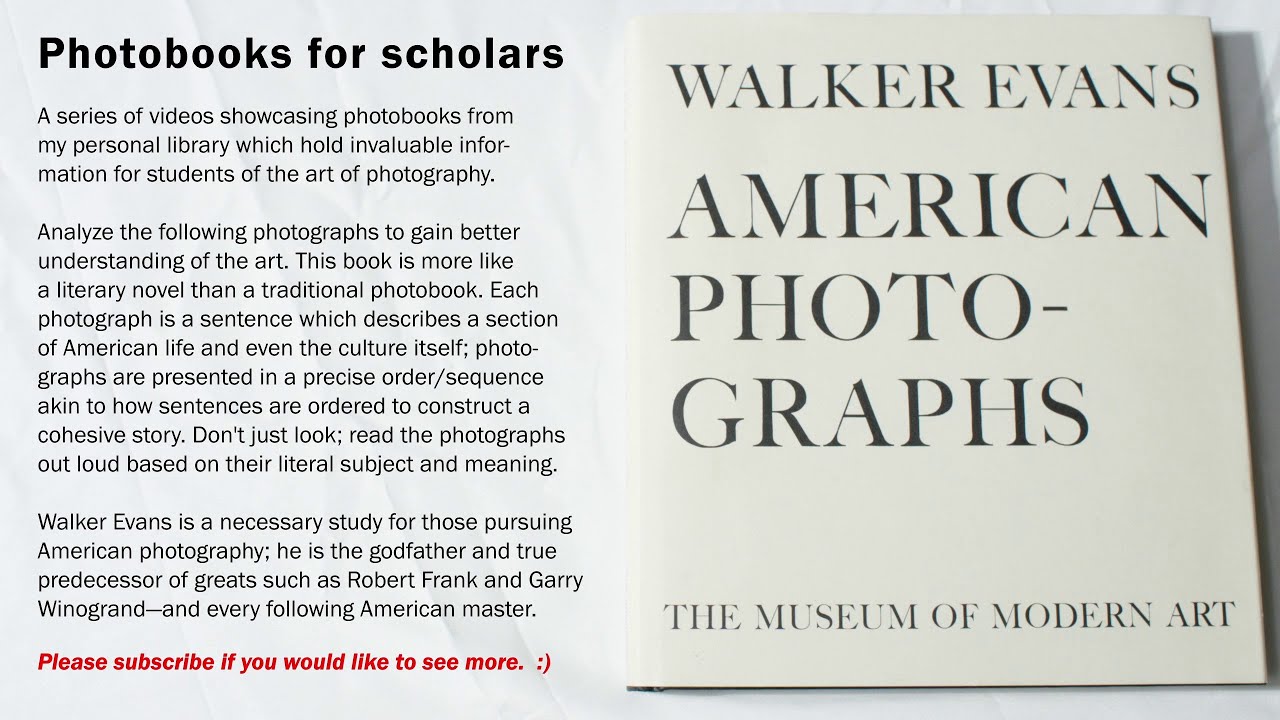
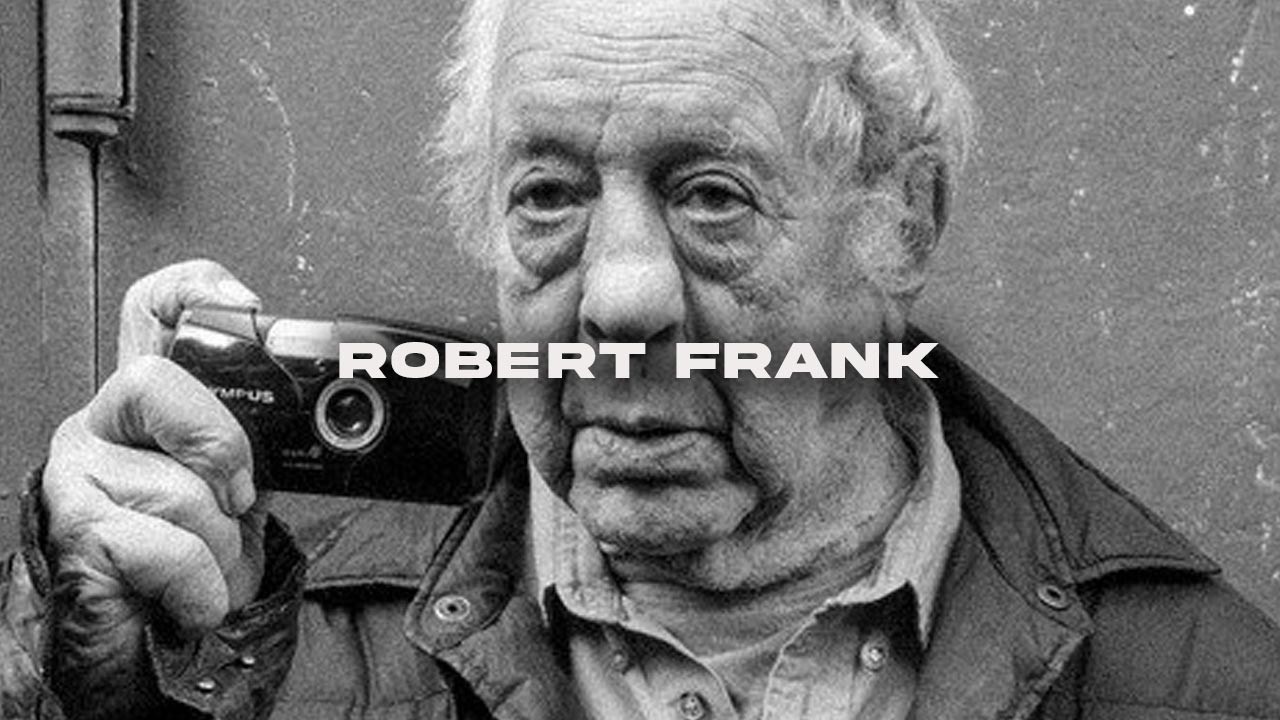
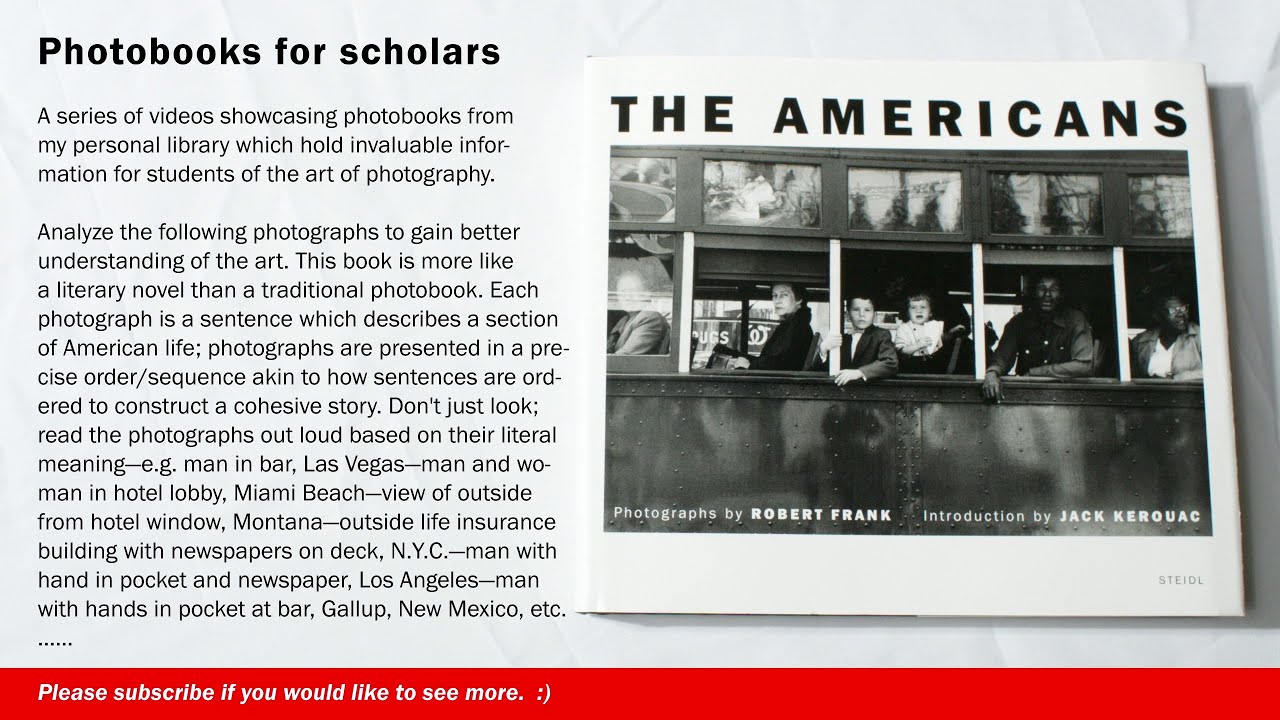
Robert Frank: The Americans was first published in the form it is known by today in 1959. This is part of my "photobooks for scholars" series of videos showcasing books from my personal library which hold invaluable information for students of the art of photography.
Analyze the following photographs to gain better understanding of the art. This book is more like a literary novel than a traditional photobook. Each photograph is a sentence which describes a section of American life; photographs are presented in a precise order/sequence akin to how sentences are ordered to construct a cohesive story. Don't just look; read the photographs out loud based on their literal meaning—e.g. man in bar, Las Vegas—man and woman in hotel lobby, Miami Beach—view of outside from hotel window, Montana—outside life insurance building with newspapers on deck, N.Y.C.—man with hand in pocket and newspaper, Los Angeles—man with hands in pocket at bar, Gallup, New Mexico, etc.
Pay attention to how Frank handles highly politicized subject matter on the edge of society; e.g. he photographed the African-Americans during the Civil Rights Era, but only took pictures which showed them as they are in their lives in a matter of fact manner.
Pictures should focus solely on how a subject acts, behaves, dresses, etc.—things which reflect the character, culture, and beliefs of the subject—not showcasing a view of a subject which fits a particular set of beliefs or ideology (such as political ideology) which the photographer believes is better for the world and mankind. This is the right way to photograph highly politicized subjects without making a picture politicized akin to propaganda.
A photograph is perceived by the general public as a definitive and true reality, but it is actually an illusion or sub-reality created through a photographer's vision and perception of reality itself. It's too easy for a photographer to let personal views get in the way of truly understanding, seeing, and photographing a subject. The majority of photographers working today let their view, ideals, and perception warp their subjects when photographing the edge of human-kind, society, and politics. They miss the point and either intentionally or unintentionally disrespect their subjects entirely in favor of their vision—all while misleading the public to believe in a reality which doesn't exist.
To me only Diane Arbus, Robert Frank, and especially Garry Winogrand have successfully and masterfully tackled this problem. Pay attention.
Please subscribe if you would like to see more :)
Повторяем попытку...
Доступные форматы для скачивания:
Скачать видео
-
Информация по загрузке: