How to Start Desi Poultry Farming
Автор: My Poultry
Загружено: 2026-02-05
Просмотров: 1388
Описание:
Step-by-Step Guide to Starting Desi Poultry Farming
1. Planning & Breed Selection
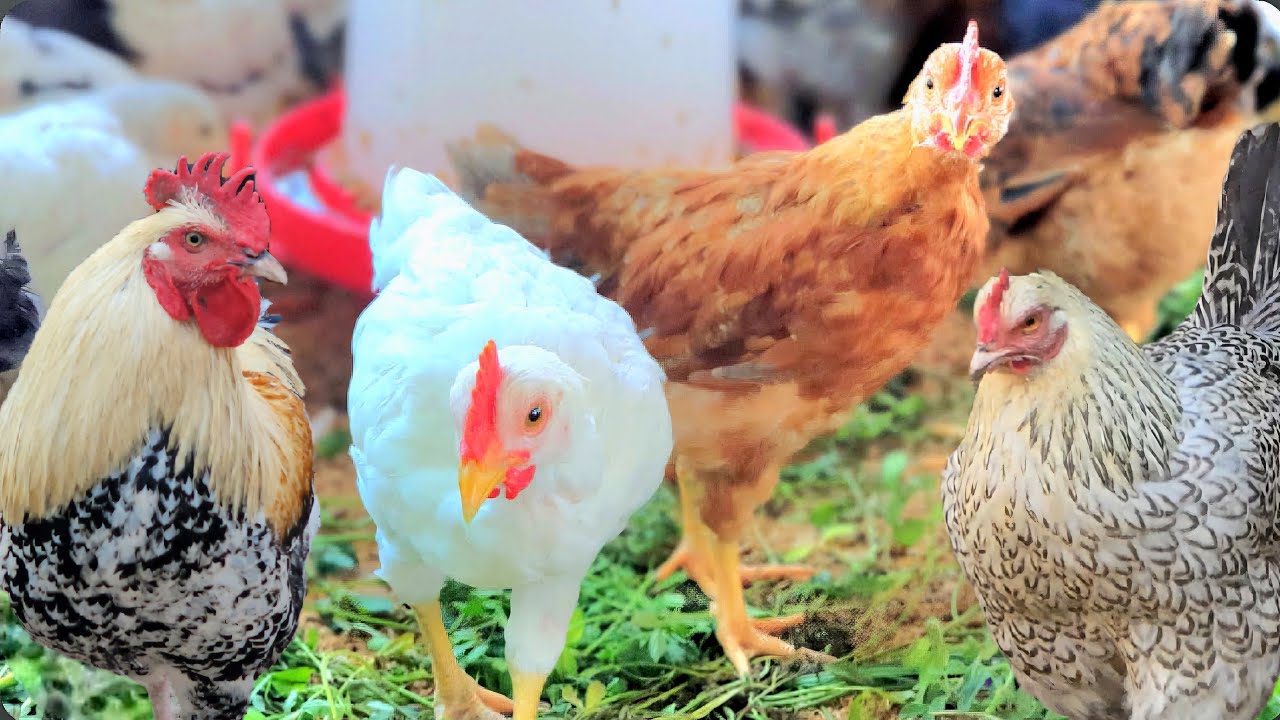
Choose hardy indigenous breeds like Aseel, Kadaknath, or local desi hens.
These birds are disease-resistant and well-suited for free-range/backyard systems.
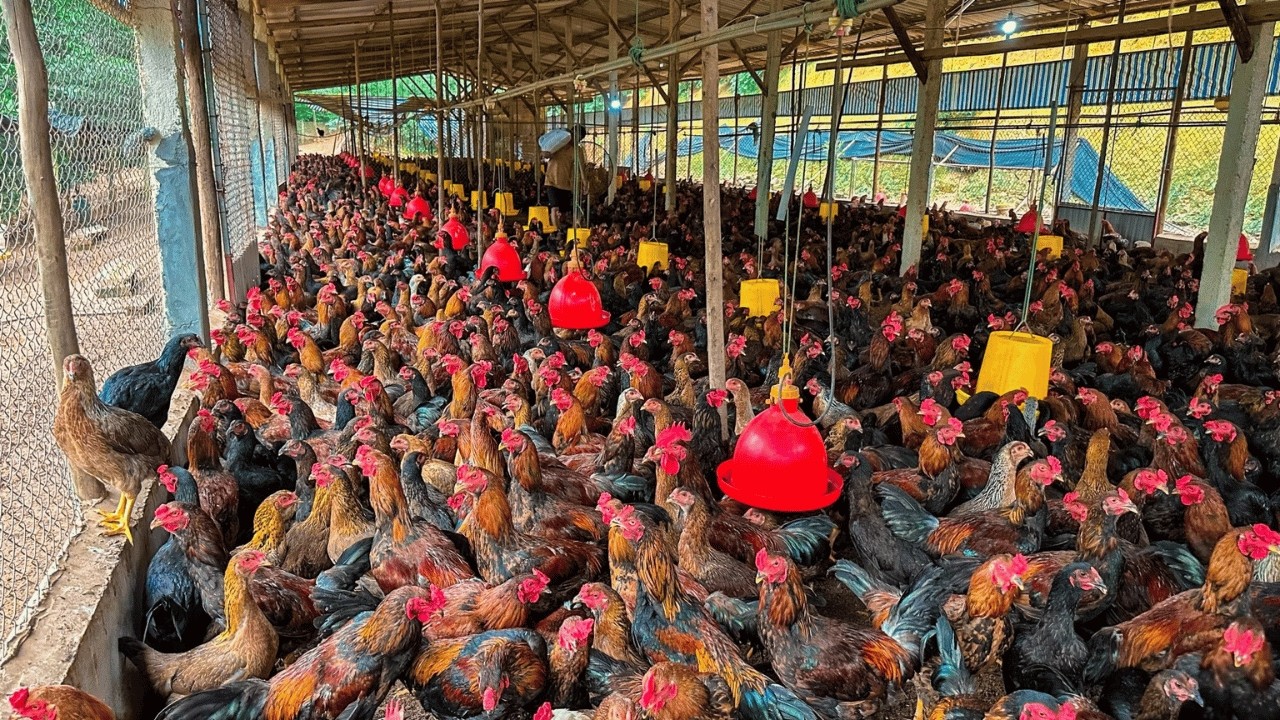
Decide your scale: backyard (10–50 birds), semi-commercial (200–500), or commercial (1000+).
2. Housing & Infrastructure
Low-cost sheds with bamboo, wood, or tin sheets.
Provide ventilation, shade, and protection from predators.
Use deep litter system (rice husk/sawdust bedding).
For larger flocks, divide into smaller units for easier management.
3. Feeding
Natural Grazing: Birds forage on insects, grass, and seeds.
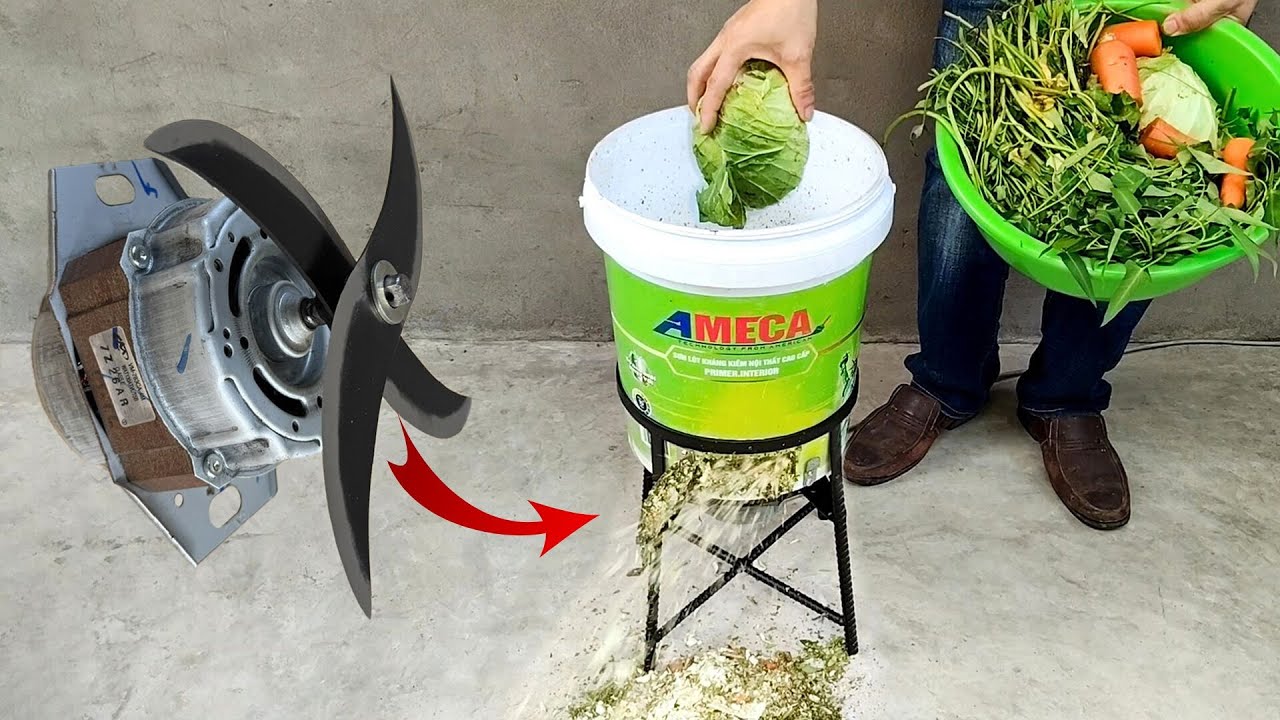
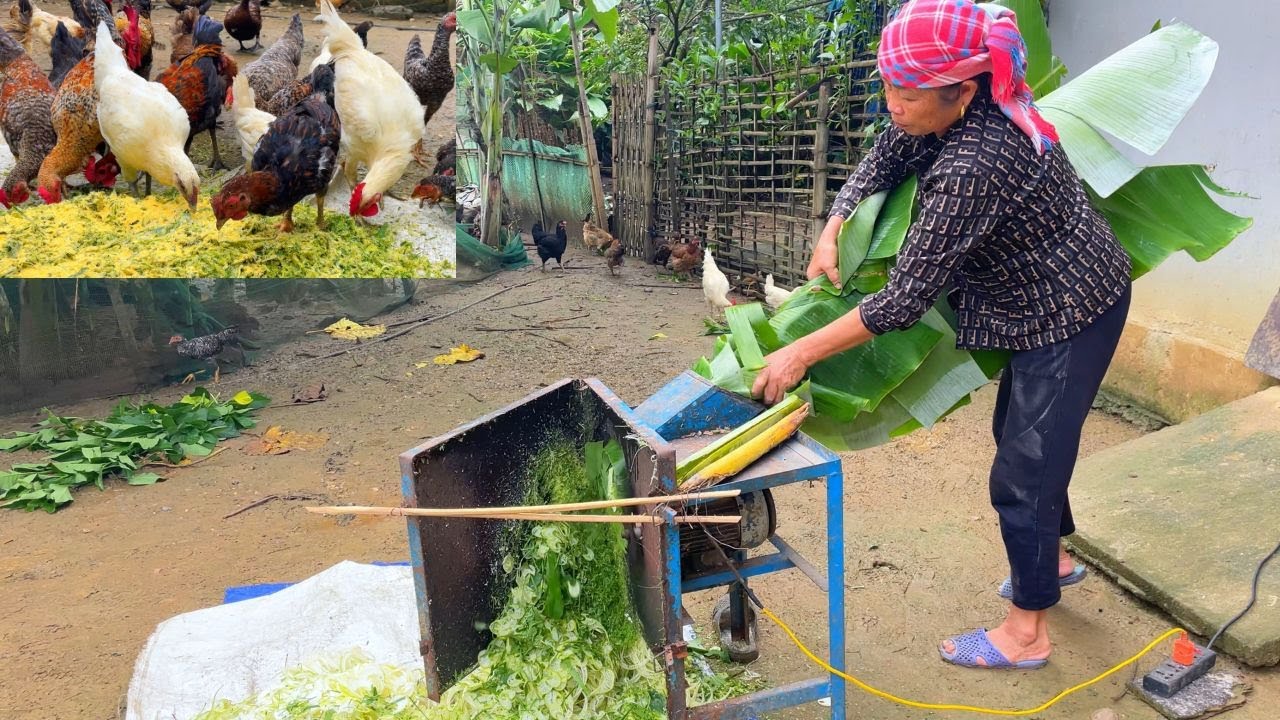
Supplementary Feed: Broken grains (maize, bajra), oil cakes, kitchen waste.
Minerals & Vitamins: Add shell grit, calcium, and vitamin supplements.
Clean water must be available at all times.
4. Health & Management
Vaccination Schedule: Ranikhet, fowl pox, and Gumboro are essential.
Sanitation: Regular cleaning of sheds and feeders.
Observation: Healthy birds are active and alert; isolate sick ones quickly.
Record Keeping: Track mortality, feed intake, and egg/meat production.
5. Marketing
Local Demand: Desi eggs and meat fetch premium prices due to taste and nutrition.
Sales Channels:
Local markets (haats).
Direct household sales.
Restaurants and hotels.
SHG/Producer Company branding.
Value Addition: Packaged eggs, festival live bird sales, storytelling (“Naturally raised, free-range”).
6. Investment & Returns
Low Initial Cost: Uses local resources and household waste.
High Profitability: Desi poultry is in demand for organic, chemical-free food.
Scalability: Start small and expand gradually.
Повторяем попытку...
Доступные форматы для скачивания:
Скачать видео
-
Информация по загрузке: