Contextualising the human past through pollen analysis - Gill Plunkett
Автор: National Monuments Service
Загружено: 2024-10-22
Просмотров: 311
Описание:
Contextualising the human past through pollen analysis
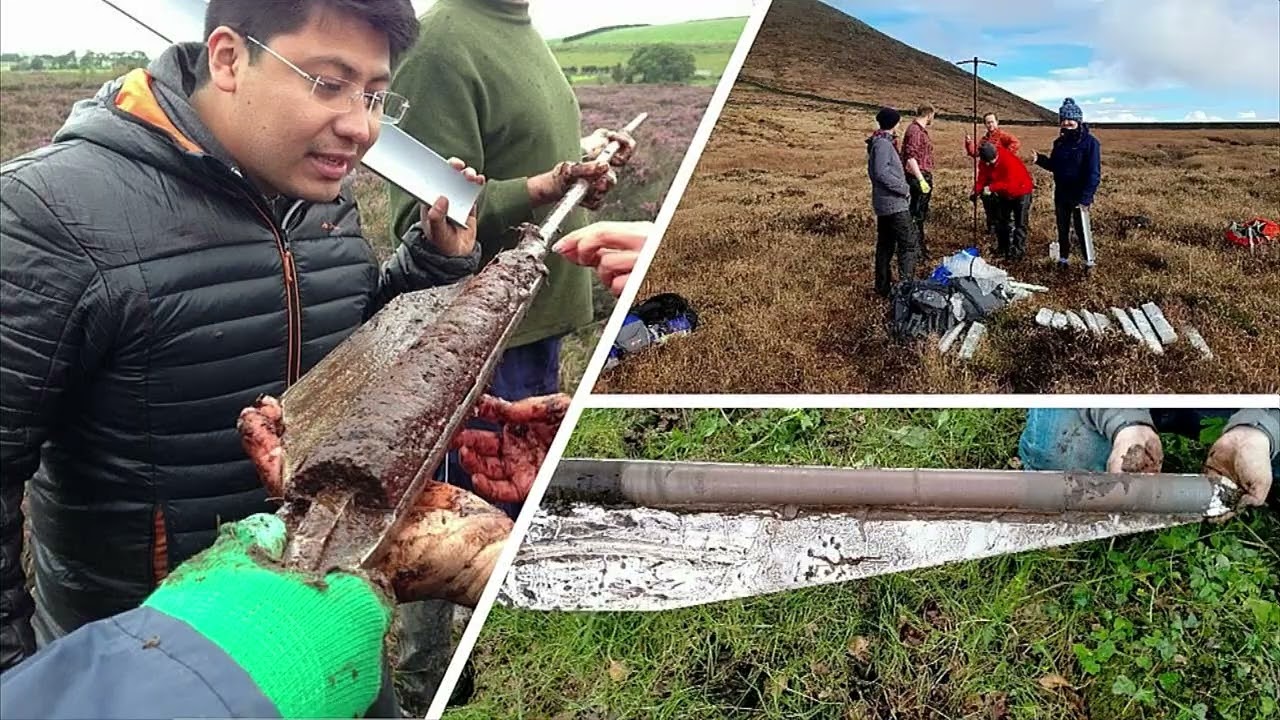
Pollen grains rank amongst the smallest traces of past human activity, with dimensions approximating the width of a human hair. Produced by all flowering plants and with a structure that is resistant to decay, pollen is preserved in a range of sediment types. Extracting and analysing pollen from sediments provides insights into plants that grew within an area in the past and, when considered in the context of an archaeological site, can highlight human impact on the vegetation. By analysing how pollen changed over time, we get insights into activities such as forest clearance, farming practices, the introduction of new species and land abandonment. Combining evidence from many pollen records allows us to investigate large-scale changes in past human activities, including how land was used, migration and population size. This paper will illustrate some recent contributions of pollen analysis to the understanding of the human past in Ireland.
Gill Plunkett is Professor of Palaeoecology at Queen’s University Belfast. She specialises in reconstructing past environmental change mainly through pollen analysis with a view to understanding past human–environment dynamics.
Traces: The Archaeology of Small Things
NATIONAL MONUMENTS SERVICE7th ANNUAL ARCHAEOLOGY CONFERENCE
NATIONAL MONUMENTS SERVICE
7th ANNUAL ARCHAEOLOGY CONFERENCE
12 October 2024
The Printworks, Dublin Castle, Dublin.
Повторяем попытку...
Доступные форматы для скачивания:
Скачать видео
-
Информация по загрузке: