Anatomy and Physiology of The Mammalian Skin ; Epidermis, Dermis, Hypodermis, Subcutis
Автор: MBBS NAIJA
Загружено: 2025-03-19
Просмотров: 78
Описание:
The mammalian skin is a complex organ with multiple layers and structures, serving as a protective barrier while supporting vital physiological functions. It is composed of three main layers: the epidermis, dermis, and hypodermis (subcutis). Here’s an overview:
1. Epidermis
Description: The outermost layer of the skin, primarily composed of keratinized epithelial cells.
Structure:
Stratum Corneum: The outermost layer, consisting of dead, flattened keratinized cells that provide a tough, protective barrier.
Stratum Lucidum (only in thick skin): A translucent layer found in areas like the palms and soles.
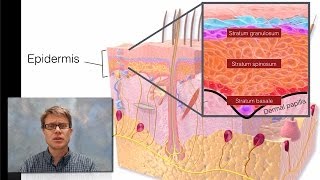
Stratum Granulosum: Contains keratohyalin granules essential for keratin formation.
Stratum Spinosum: Provides strength and flexibility; contains desmosomes that link cells.
Stratum Basale (or Germinativum): The basal layer where mitosis occurs, producing new keratinocytes. It also contains melanocytes (responsible for pigment) and Merkel cells (touch receptors).
Functions:
Acts as a barrier to protect against pathogens, UV radiation, and water loss.
Produces melanin to safeguard deeper layers from UV damage.
2. Dermis
Description: The middle layer, located beneath the epidermis, rich in connective tissue, blood vessels, and nerves.
Structure:
Papillary Layer: The upper layer of loose connective tissue with capillaries, nerve endings, and dermal papillae, which form fingerprints.
Reticular Layer: The deeper, denser connective tissue containing collagen and elastin fibers for strength and elasticity.
Contents:
Blood vessels: For oxygen and nutrient delivery.
Nerve endings: For sensory perception (touch, pressure, pain, and temperature).
Sweat glands, sebaceous glands, and hair follicles originate here.
Functions:
Supports the epidermis and provides nutrients.
Regulates body temperature through sweat glands and blood flow.
Senses external stimuli.
3. Hypodermis (Subcutis)
Description: The deepest layer of skin, consisting primarily of adipose (fat) tissue and connective tissue.
Structure:
Composed of fat cells (adipocytes) interspersed with connective tissue, nerves, and larger blood vessels.
Functions:
Provides insulation to conserve body heat.
Acts as a cushion to protect underlying muscles, bones, and organs from trauma.
Stores energy in the form of lipids.
Summary of Functions:
Protection: The skin acts as a physical and immunological barrier.
Sensation: Contains specialized receptors to detect pressure, temperature, pain, and touch.
Thermoregulation: Maintains body temperature through sweat glands and blood vessel regulation.
Metabolic Functions: Produces vitamin D through UV exposure and stores fat as an energy reserve.
#Skin
Повторяем попытку...

Доступные форматы для скачивания:
Скачать видео
-
Информация по загрузке:


![Anatomy of the Skin [Epidermis, Dermis, Hypodermis]](https://ricktube.ru/thumbnail/GYLXDSq3n1U/mqdefault.jpg)