Top Tips for AQA Poetry: Analysing Extract from The Prelude by William Wordsworth for 7-9 Grades
Автор: Claire's Notes
Загружено: 2020-10-06
Просмотров: 890
Описание:
Introduction
Ensure a top grade with this detailed analysis of The Prelude, exploring how Wordsworth’s use of nature imagery, structure, and tone reflects the power of nature and the personal impact of formative experiences.
NB: This is the 1850 version of the poem that features in the AQA Power and Conflict anthology NOT the 1799 version that features in the OCR Conflict anthology.
Analysis
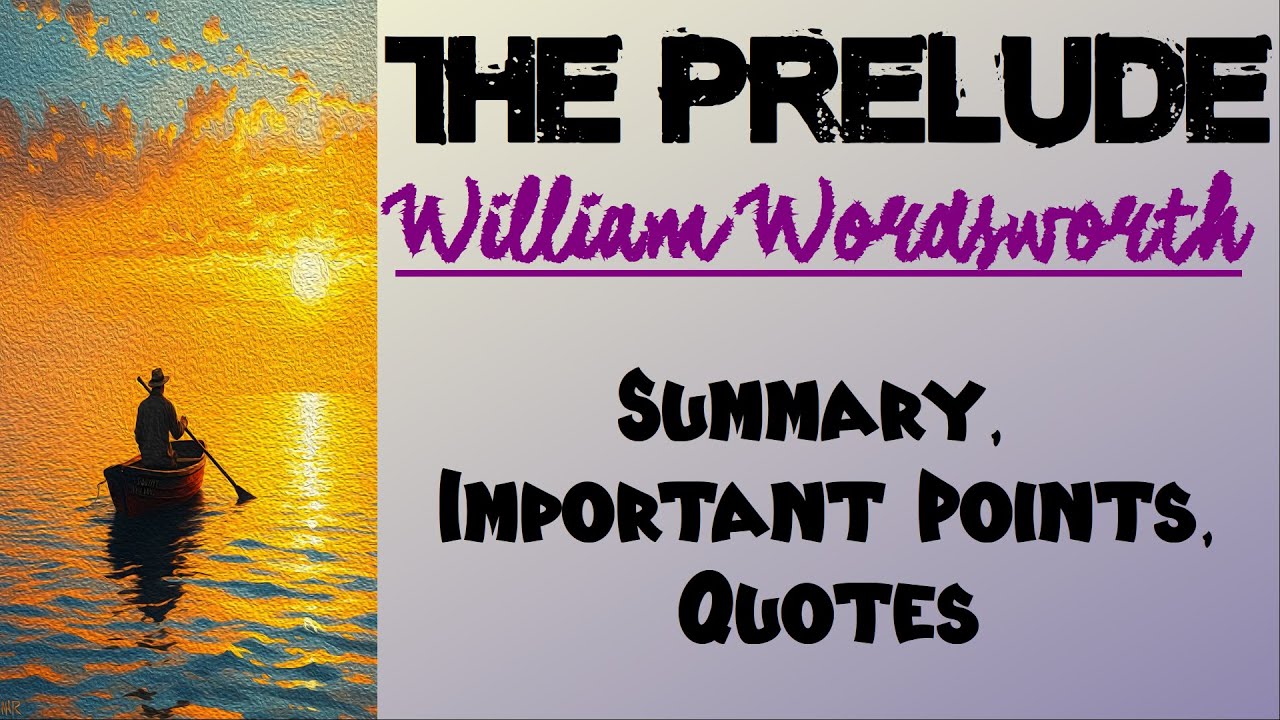
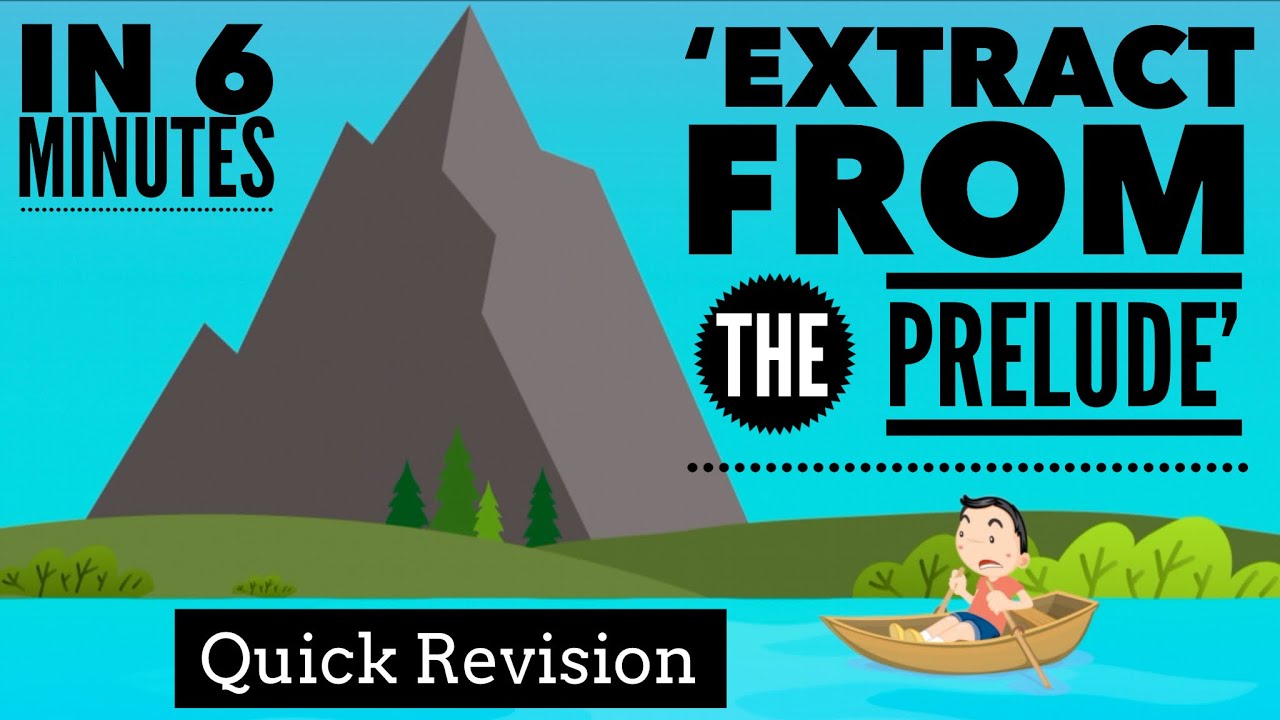
"The Prelude" by William Wordsworth recounts a pivotal moment where the young poet, filled with curiosity and a thirst for adventure, steals a boat to explore a lake. The 44-line extract vividly captures the excitement and apprehension of the protagonist as he embarks on this clandestine journey. Themes of nature's influence, youthful rebellion, and the exploration of the self are prominent. Wordsworth's introspective exploration of guilt and innocence, as well as his profound connection to the natural world, resonates throughout the poem. The theft of the boat symbolizes both the allure and consequences of seeking personal freedom and experience.
Additional Resources
For more exam tips, resources, and one-to-one tutoring, visit my website: www.clairesnotes.com
Check out the rest of my videos on the poems from the AQA Power and Conflict anthology: • AQA Power and Conflict
Check out the rest of my videos on the poems from the Edexcel Conflict anthology: • Edexcel Conflict Cluster
Subscribe and Stay Ahead
Subscribe to Claire's Notes for detailed, exam-focused insights into GCSE English Literature and Language. Master exam techniques, explore poetry, and secure grades 7, 8, and 9.
The Poem
The Text of Extract from The Prelude (Stealing the boat) (1850) by William Wordsworth
One summer evening (led by her) I found
A little boat tied to a willow tree
Within a rocky cove, its usual home.
Straight I unloosed her chain, and stepping in
Pushed from the shore. It was an act of stealth
And troubled pleasure, nor without the voice
Of mountain-echoes did my boat move on;
Leaving behind her still, on either side,
Small circles glittering idly in the moon,
Until they melted all into one track
Of sparkling light. But now, like one who rows,
Proud of his skill, to reach a chosen point
With an unswerving line, I fixed my view
Upon the summit of a craggy ridge,
The horizon's utmost boundary; far above
Was nothing but the stars and the grey sky.
She was an elfin pinnace; lustily
I dipped my oars into the silent lake,
And, as I rose upon the stroke, my boat
Went heaving through the water like a swan;
When, from behind that craggy steep till then
The horizon's bound, a huge peak, black and huge,
As if with voluntary power instinct,
Upreared its head. I struck and struck again,
And growing still in stature the grim shape
Towered up between me and the stars, and still,
For so it seemed, with purpose of its own
And measured motion like a living thing,
Strode after me. With trembling oars I turned,
And through the silent water stole my way
Back to the covert of the willow tree;
There in her mooring-place I left my bark, -
And through the meadows homeward went, in grave
And serious mood; but after I had seen
That spectacle, for many days, my brain
Worked with a dim and undetermined sense
Of unknown modes of being; o'er my thoughts
There hung a darkness, call it solitude
Or blank desertion. No familiar shapes
Remained, no pleasant images of trees,
Of sea or sky, no colours of green fields;
But huge and mighty forms, that do not live
Like living men, moved slowly through the mind
By day, and were a trouble to my dreams
About Me
I’m an experienced English teacher with over 25 years of classroom and private tutoring experience. My videos are tailored to help students achieve top marks in AQA, Edexcel, OCR, Eduqas/WJEC, CCEA and Cambridge IGCSE English exams.
Please note that any literature analysis is highly subjective and may disagree with analysis by another person. All interpretations are valid if they can be justified by reference to the text. This interpretation is my own: it is not exhaustive and there are alternatives!
Let’s Discuss!
What do you think the mountain represents in The Prelude? How does Wordsworth use language and structure to convey the speaker’s emotions as he confronts nature’s overwhelming power? Do you think the poem reflects a romantic idealization of nature, or is it more about human vulnerability? Let me know your interpretations in the comments!
Повторяем попытку...

Доступные форматы для скачивания:
Скачать видео
-
Информация по загрузке: