Indian Plates |
Автор: lssinghstudypoint
Загружено: 2024-07-13
Просмотров: 2953
Описание:
Indian Plates | #plates #shorts
Title: The Science Behind the Moving Indian Plate and Growing Himalayas
#### Introduction
Hello everyone! Welcome back to our channel. In today's video, we're diving deep into the fascinating world of plate tectonics to understand why the Indian Plate is moving northward and how this movement is causing the Himalayas to rise. This topic not only explains the dynamic nature of our planet but also provides insight into some of the most awe-inspiring geological phenomena.
#### Understanding Tectonic Plates
Let's start with the basics. The Earth's outer shell, known as the lithosphere, is broken into several large and small pieces called tectonic plates. These plates float on the semi-fluid asthenosphere beneath them, allowing them to move. The movement of these plates is driven by the heat from the Earth's interior, which causes convection currents in the mantle.
#### The Journey of the Indian Plate
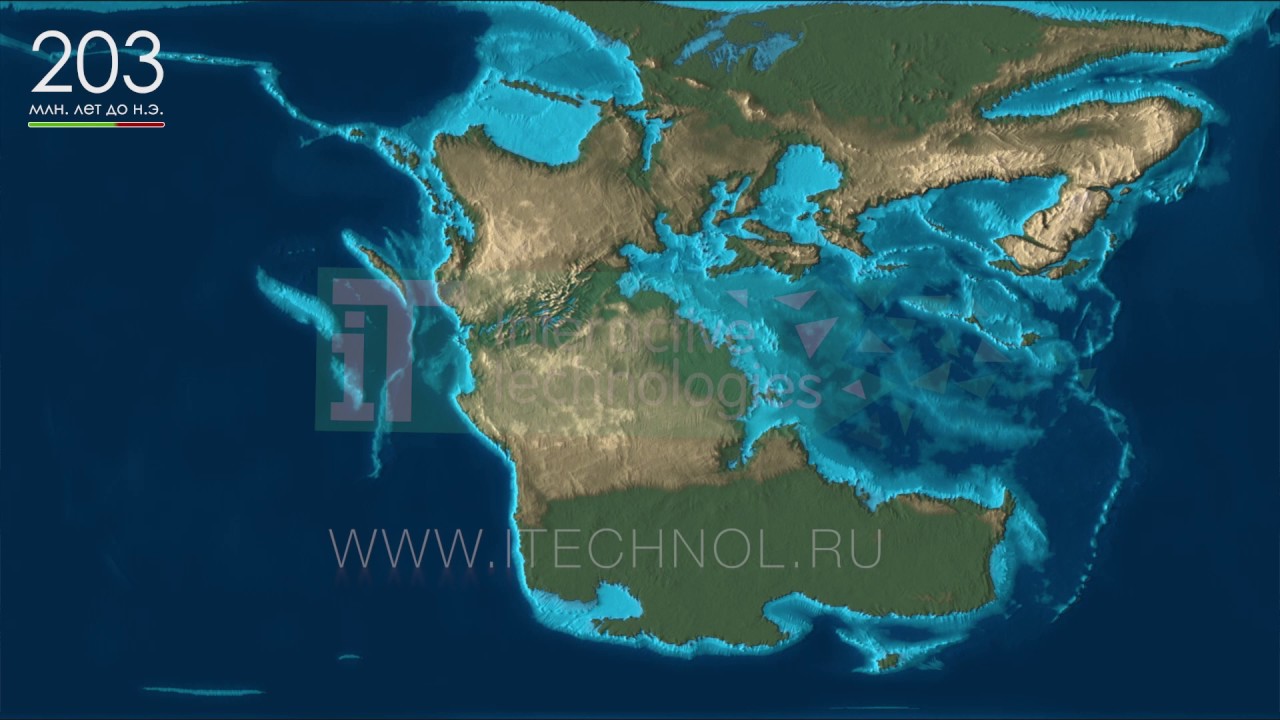
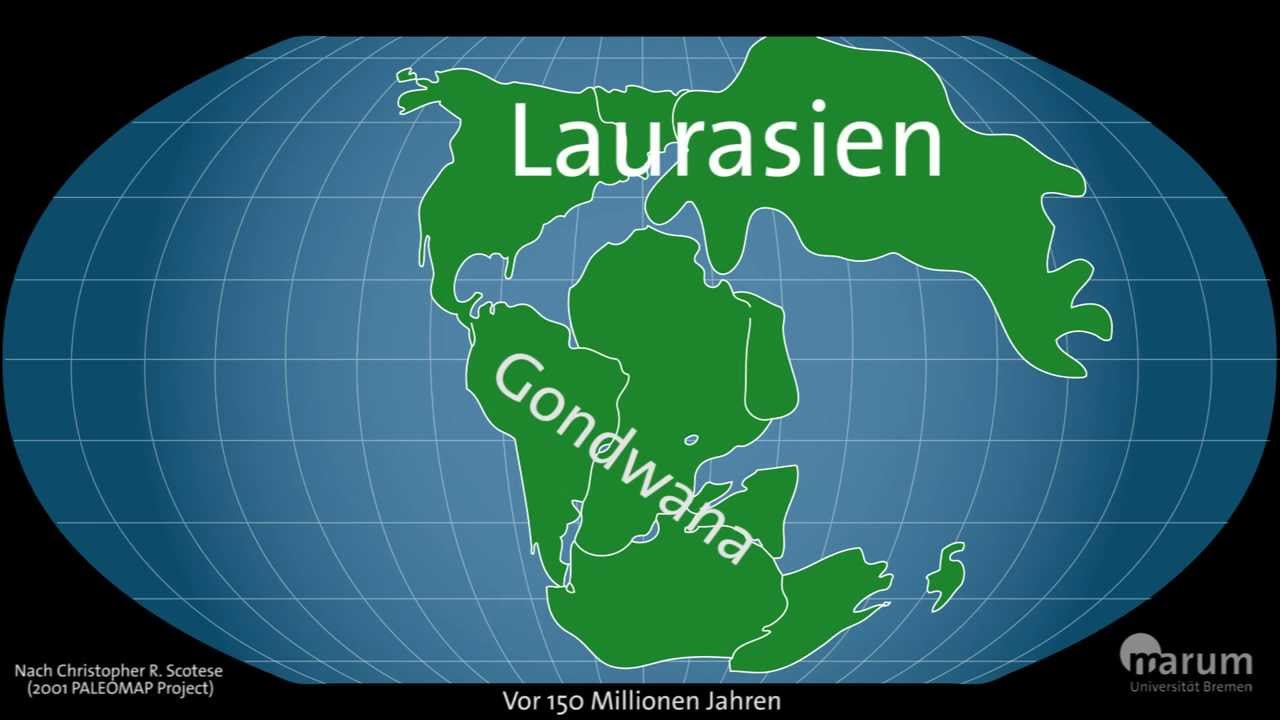
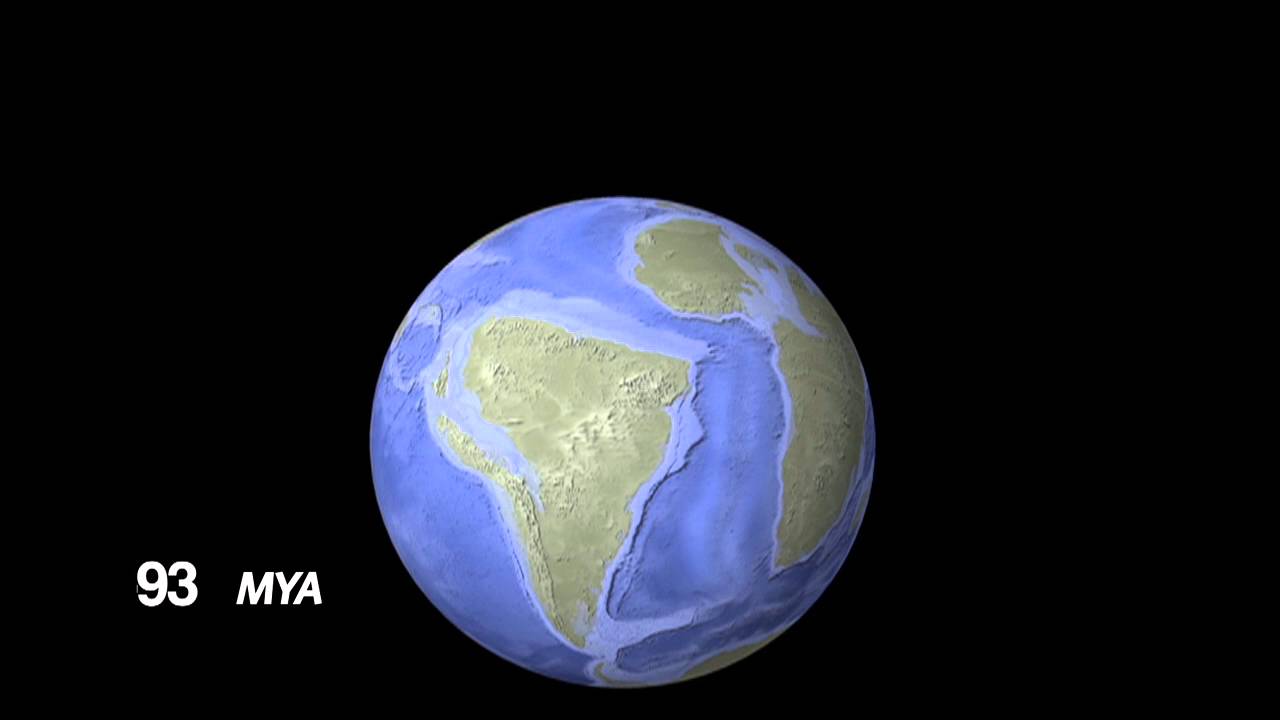
The Indian Plate is one of these tectonic plates, and it's on a fascinating journey. Around 140 million years ago, it was part of the ancient supercontinent Gondwana. As Gondwana began to break apart, the Indian Plate started drifting northwards at a rate of about 2.6 inches (6.7 centimeters) per year. This movement continues today.
But why is it moving northwards? The driving force behind this movement is the process of seafloor spreading, which occurs at mid-ocean ridges. As new crust is formed, it pushes the plates away from the ridges. For the Indian Plate, this means a constant push towards the north.
#### Collision with the Eurasian Plate
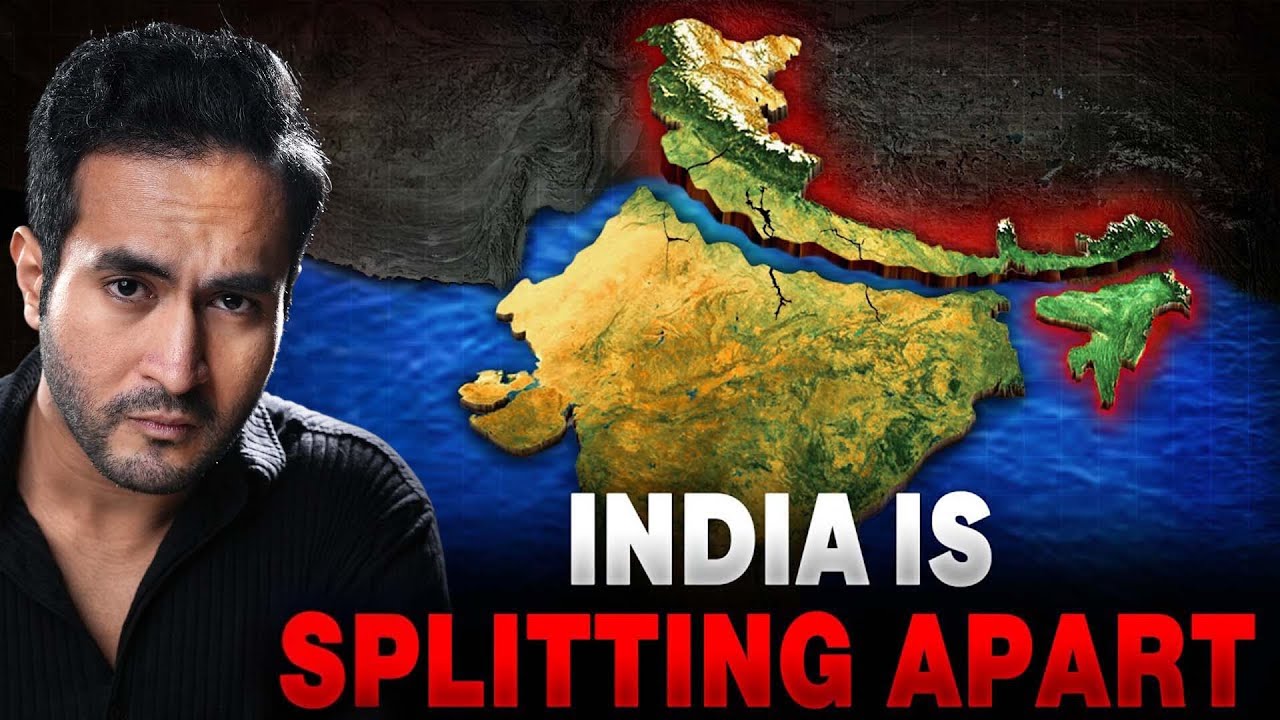
Around 50 million years ago, the Indian Plate collided with the Eurasian Plate. This collision is one of the most significant geological events in Earth's history. Instead of subducting beneath the Eurasian Plate, the Indian Plate began to crumple and push against it. This immense pressure caused the land to buckle and fold, giving rise to the Himalayas.
#### The Rising Himalayas
Now, let's talk about the Himalayas. These majestic mountains are not static; they are growing. The ongoing collision between the Indian Plate and the Eurasian Plate continues to push the Himalayas upwards at a rate of about 5 millimeters (0.2 inches) per year.
This growth is due to the constant compressive forces at the plate boundary. As the Indian Plate pushes against the Eurasian Plate, the rocks are forced upwards, creating towering peaks. This process is known as orogeny, and it's responsible for some of the world's highest mountains, including Mount Everest.
#### The Science Behind Plate Movements
The movement of tectonic plates and the resulting geological phenomena are governed by several scientific principles:
1. *Plate Tectonics Theory:* This theory explains the large-scale motion of the plates. It's supported by evidence from various fields, including geology, geophysics, and oceanography.
2. *Seafloor Spreading:* As magma rises at mid-ocean ridges and cools to form new crust, it pushes the plates apart. This process helps drive the movement of tectonic plates.
3. *Convection Currents:* Heat from the Earth's core creates convection currents in the mantle. These currents act like a conveyor belt, driving the movement of the plates.
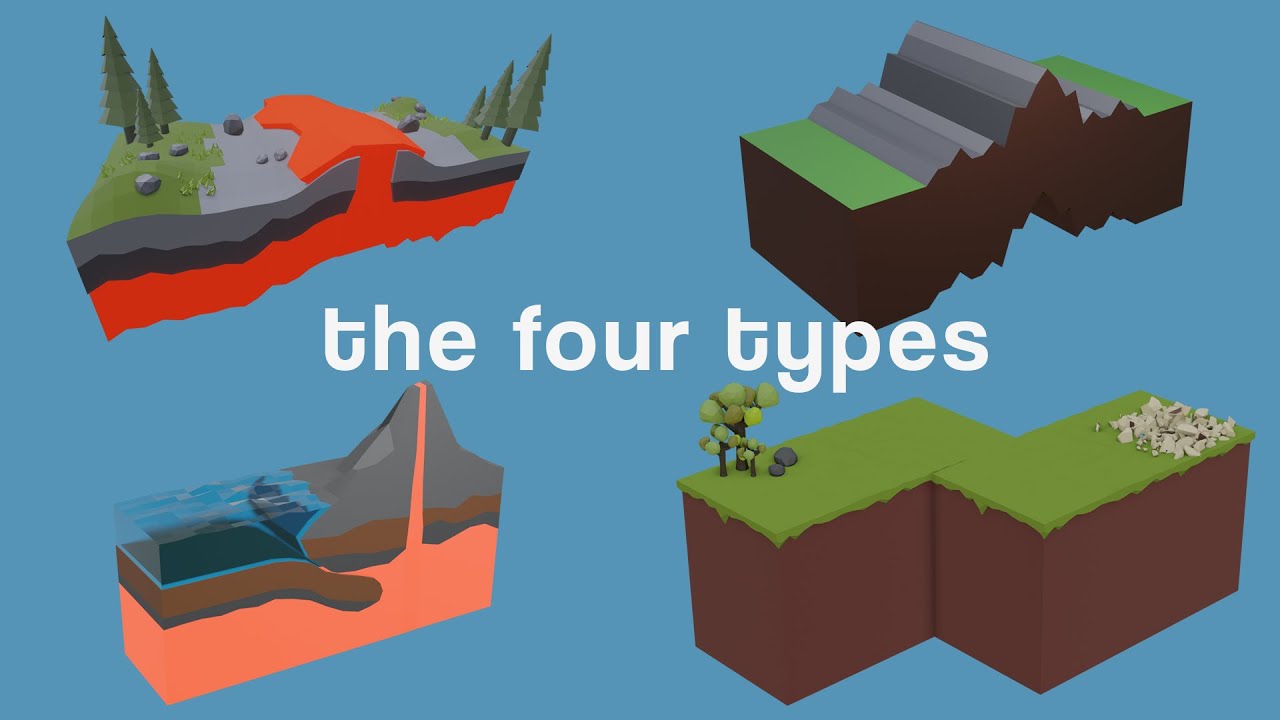
4. *Subduction and Collision:* When plates collide, one plate may be forced under another in a process called subduction. However, in the case of the Indian and Eurasian plates, the collision has led to the uplift of the Himalayas instead of subduction.
#### Conclusion
The movement of the Indian Plate and the rise of the Himalayas are prime examples of the dynamic nature of our planet. Understanding these processes helps us appreciate the incredible forces at work beneath our feet. It also underscores the fact that our Earth is constantly changing, shaped by the relentless movement of its tectonic plates.
If you found this video informative, don't forget to like, share, and subscribe. And as always, leave your questions and comments below. We'd love to hear from you and explore more about the wonders of our planet together. Thanks for watching!
#shortsviral #shortsfeed #shorts #short #viralfeeds #viralshorts #educationalvideo #educational #video #map #mapshorts #subscribe #support #success #khangsresearchcentre #lssinghstudypoint
Subscribe for more interesting and informative videos and press the bell 🔔 icon to get notification
This is your:- Laksh Singh
Thanks for watching and keep supporting 🙏 ♥️
Повторяем попытку...

Доступные форматы для скачивания:
Скачать видео
-
Информация по загрузке: