Are CRISPR Designer Babies the Future?
Автор: Science To Save The World
Загружено: 2021-08-05
Просмотров: 23107
Описание:
CRISPR has made the direct editing of genes possible. Gene editing could be used to wipe out diseases. But it could also be used to augment humans, altering intelligence, athletic ability, vision, appearance, and more. This could forever change what it means to be human.
Can we expect a future of gene-edited designer babies? Do we want one?
FOLLOW US
▀▀▀▀▀▀▀▀▀▀▀▀▀▀▀▀▀▀▀▀▀▀▀▀▀▀
/ sciencetosavetheworld
/ sciencetosavetheworld
https://www.lifespan.io/science-to-sa...
DESCRIPTION
▀▀▀▀▀▀▀▀▀▀▀▀▀▀▀▀▀▀▀▀▀▀▀▀▀▀
In October of 2018, two seemingly healthy babies were born in China. There was something different about them. Nana and Lulu were the world's first gene-edited babies.
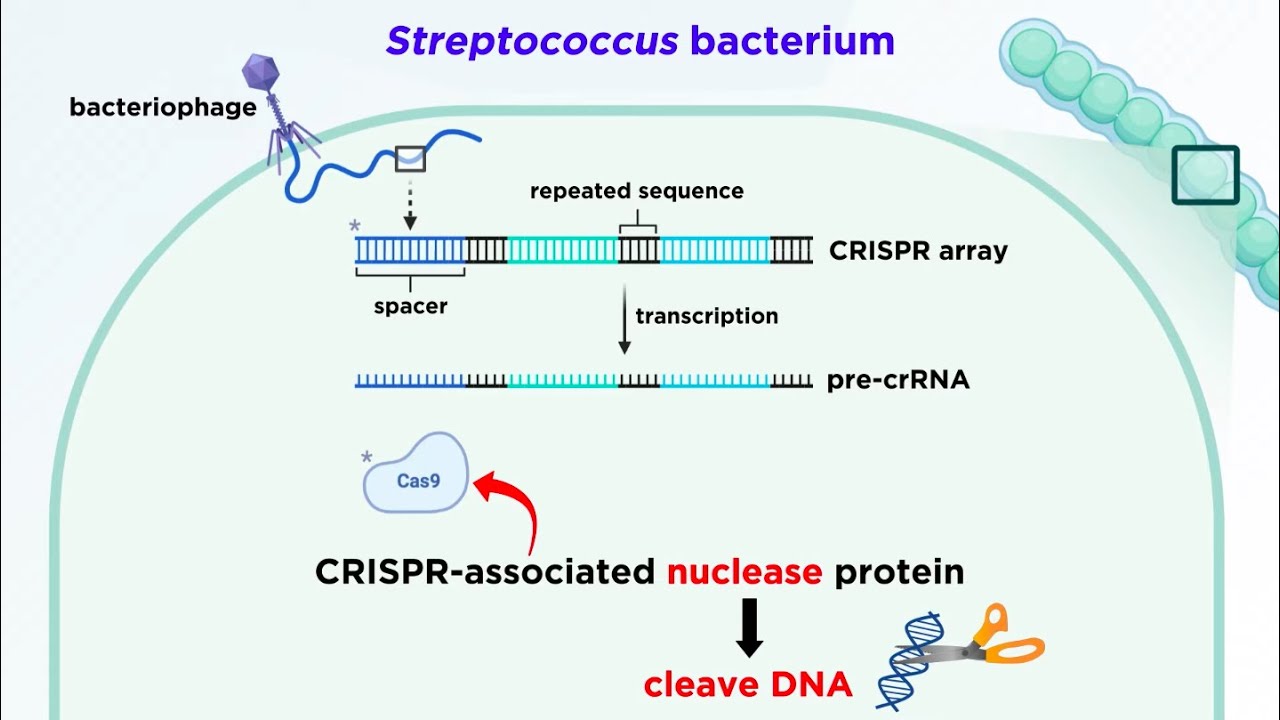
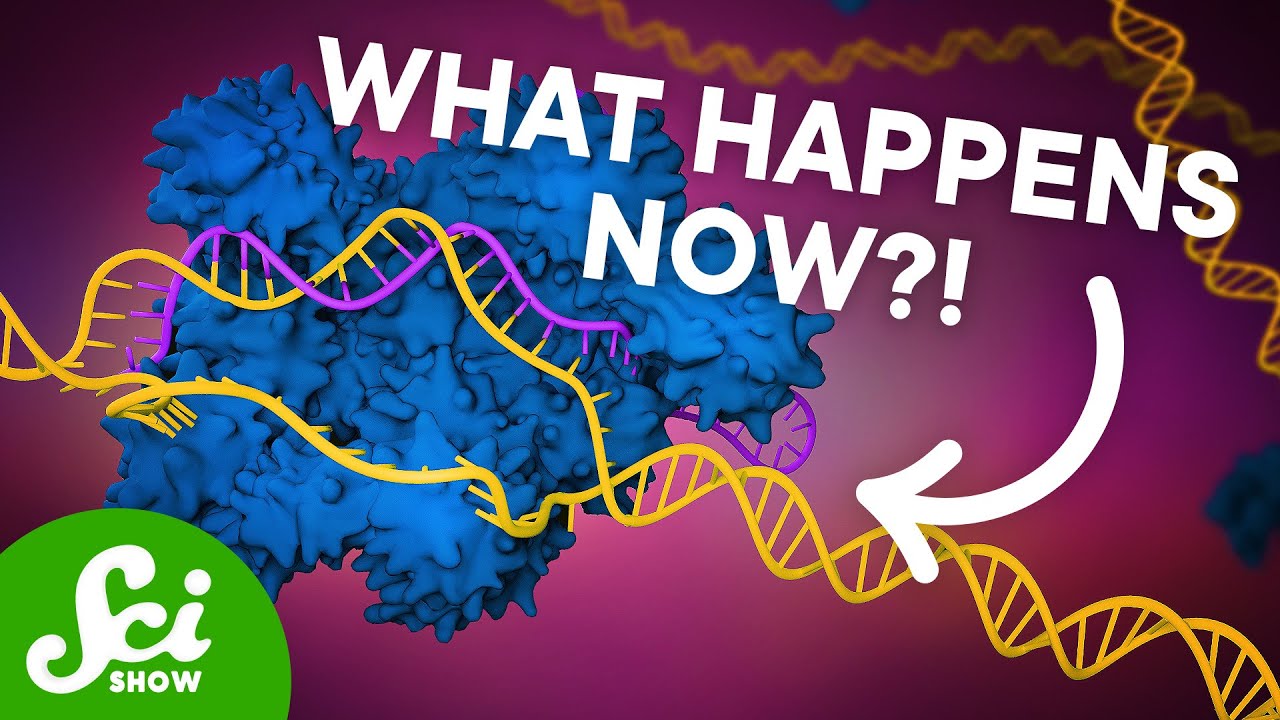
A scientist, He Jiankui, had used the gene-editing technique CRISPR-Cas9 to alter their DNA when they were embryos. He targeted a gene called CCR5 with the goal of making them resistant to HIV.
Humans have been manipulating the genes of plants and animals for thousands of years through selective breeding. Generations of breeding have resulted in plants and animals that are very different from their wild ancestors. You see the results of this genetic manipulation every time you buy groceries or encounter a cat or a dog. However, directly editing an organism's DNA has only been possible since the 1970s.
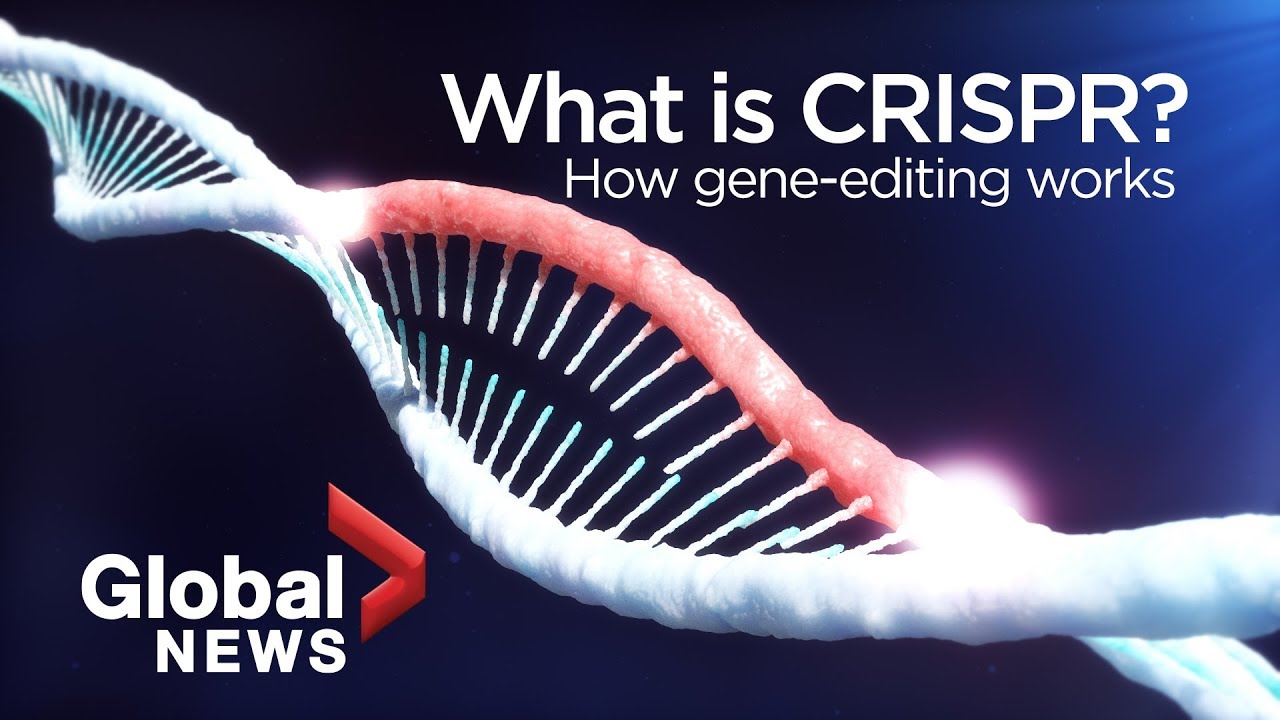
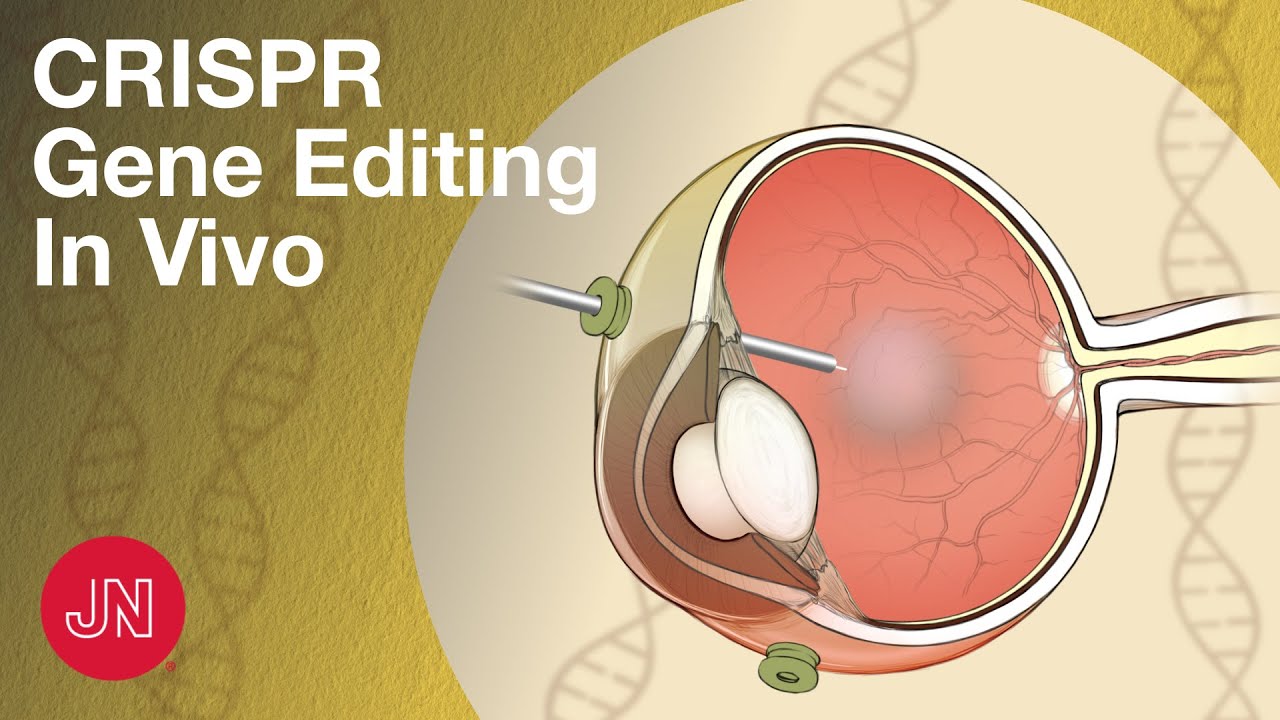
Genetic engineering was difficult and expensive until a series of breakthroughs were made around 2010. Scientists figured out how to use CRISPR-Cas9 to make specific edits to the genetic code. With CRISPR, ailments such as cancer, sickle cell anemia, Huntington's disease, and muscular dystrophy could become a thing of the past.
Victoria Gray of Mississippi is participating in a clinical trial of a CRISPR therapy to treat sickle cell anemia. Since undergoing treatment in July 2019, Victoria has improved remarkably. In 2020, she flew in a plane for the first time – something her disease had kept her from doing before. And she's not the only one - a growing number of CRISPR trials have reported positive results.
But as Jiankui’s experiment showed, CRISPR modifications aren't only for adults, who can provide informed consent. Using CRISPR, scientists could edit embryos more easily than adults, avoiding serious genetic diseases. But deciding what counts as an abnormality or a disease to be cured or avoided can be incredibly challenging.
For example, CRISPR might make it possible to prevent anyone from being born with Down syndrome. Down syndrome almost always results in intellectual or physical disabilities, as well as a diminished life expectancy. Is it ethical for parents and healthcare professionals to decide to edit an embryo to eliminate this disorder? Would it be ethical if everyone made that same decision, resulting in no more Down syndrome babies?
What would it mean for humanity to lose that diversity?
What about deafness? Blindness? Baldness? Asperger's syndrome?
What counts as “normal”? Is "normal" always good?
On the other hand, would it be ethical to not edit an embryo to prevent avoidable intellectual, physical, and social impairment?
Though the ethical questions are far from resolved, science is advancing rapidly. Today, CRISPR-Cas9 gene editing is cheap and easy enough that people can do it in their own homes. We do NOT recommend this.
In 2017, former NASA researcher and biohacker Josiah Zayner became the first person to attempt to modify their own body using CRISPR. Onstage at a synthetic biology conference, Zayner used CRISPR in an effort to knock out the myostatin gene, a change that boosts muscle size in lab animals. Zayner said his intention was to start a conversation about the possible uses of CRISPR technology, and not just to increase his muscle mass. He then went on to sell CRISPR home editing kits.
While the idea of people using CRISPR to edit their own genome can be alarming, the ethics and impact of edits to embryos intended for birth raises significantly more concerns. The edits made to Nana and Lulu were germline edits, meaning that they could be passed down to their descendants. A decision to edit the germline wouldn't affect just the individual recipient. It would affect an untold number of future humans as well. There's also a question of off-target effects.
Studies published after the Jiankui affair indicate that attempted edits of human embryos frequently result in the deletion or rearrangement of large swathes of DNA, with unknown and potentially disastrous results.
How do you feel about a future with designer babies?
HOW CAN YOU SUPPORT US?
▀▀▀▀▀▀▀▀▀▀▀▀▀▀▀▀▀▀▀▀▀▀▀▀▀▀
Science to Save the World is a project of LEAF / Lifespan.io, a 501(c)(3) nonprofit organization.
► Support us with monthly donations by becoming a Lifespan Hero: https://www.lifespan.io/hero
► Subscribe: / lifespanio
► Learn more, and help us: https://www.lifespan.io
#dna #crispr #baby #future #geneediting #diseases
Повторяем попытку...
Доступные форматы для скачивания:
Скачать видео
-
Информация по загрузке: