Why Hearing Aid Validation is Critical to Success With Hearing Aids 🏆
Автор: Doctor Cliff, AuD
Загружено: 2018-10-12
Просмотров: 4282
Описание:
Why Hearing Aid Validation is Critical to Success With Hearing Aids. Dr. Cliff Olson, Audiologist and founder of Applied Hearing Solutions in Anthem Arizona discusses why Validating hearing aid performance is as critical as Real Ear Measures.
Website: https://www.DrCliffAuD.com
Clinic Website: https://www.AppliedHearingAZ.com
Hearing Aid Validation is different from Hearing Aid Verification. Verification is an objective measure to ensure that hearing aid programming is done properly. Validation is to ensure that the programming and features are providing a significant Real World benefit.
While Verification like Real Ear Measurement is significantly underperformed by hearing care professionals, Validation is performed more often. Approximately 69% of patients reported having Validation measures performed during a hearing aid fitting, which was indicated by a study in Marketrak 8.
Just to be clear...Validation is not a provider asking "How does that sound?". Validation should be a measurable outcome. This means that you should be evaluated pre and post hearing aid fitting. Your Post hearing aid scores should be significantly better than your Pre hearing aid scores.
There are several Hearing Aid Validation assessments/questionnaires. Three of my favorite are:
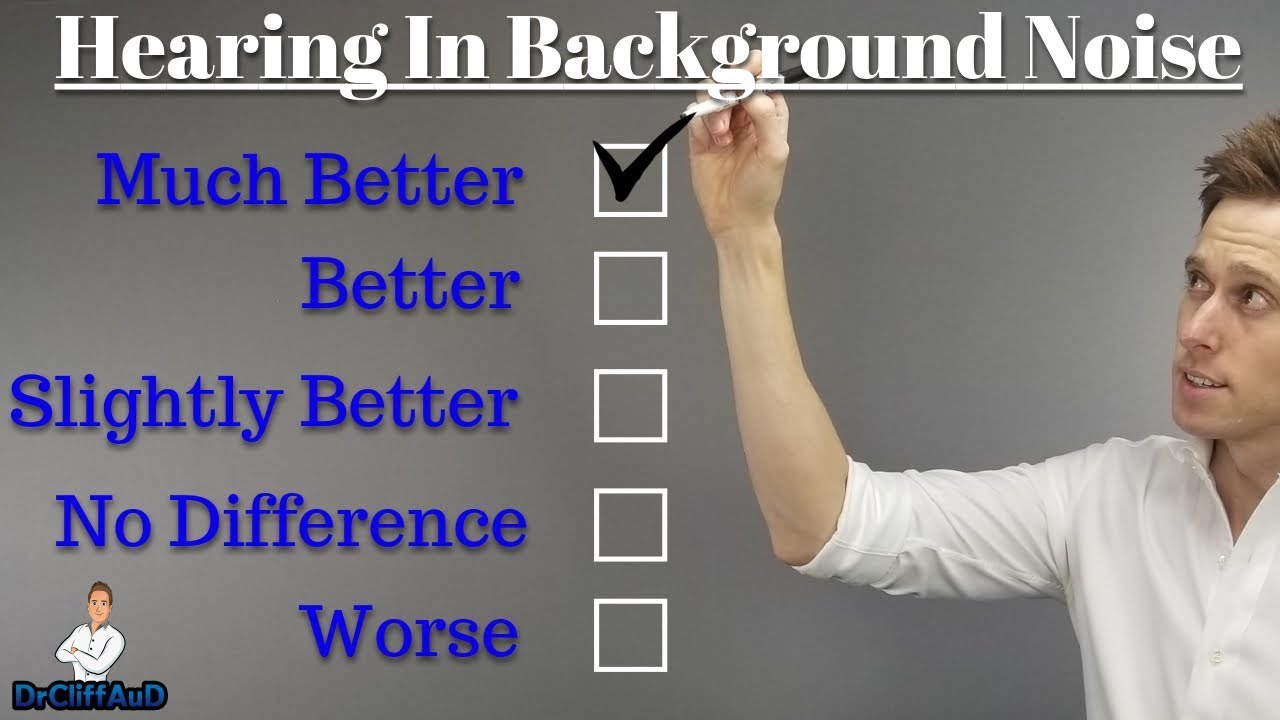
1. The Client Oriented Scale of Improvement (COSI) - This assessment utilizes common listening situations of a hearing aid user. On this scale, the hearing aid user can determine if the hearing aids are Worse, No Different, Slightly Better, Better, or Much Better in a particular situation. If you don't answer in one of the "Better" categories on this assessment, either your expectations aren't realistic, you are in the wrong level of hearing aid technology, or your hearing aids were not programmed properly.
2. The Abbreviated Profile of Hearing Aid Benefit (APHAB) - The APHAB uses 24 pre-determined situations that can be ranked on a 7 point Likert scale ranging from Never to Always. It evaluates 4 different areas of performance including: Ease of Communication, Reverberation, Background Noise, and Aversiveness. Once completed before and after treatment, it gives a detailed scoring profile that compares pre and post outcomes, as well as comparisons to Norms of other individuals with hearing loss. If you like data, this is the perfect questionnaire for you.
3. The International Outcome Inventory for Hearing Aids (IOI-HA) - The IOI-HA is perfect for existing hearing aid users to determine if their hearing aids are providing benefit. It is a short 7 item questionnaire that determines how long a user wears their hearing aids per day and other questions to identify how much satisfaction they are receiving. It can also be used as a pre/post measure of improvement with hearing aids.
Once again, Validation is NOT asking "How does that sound". There should be a clear set of measurable criteria to determine subjective benefit with hearing aids.
Even though this video isn't about Verification, it is important to note that Verification significantly improves subjective Validation outcomes. The #1 most important form of Verification is Real Ear Measurement. If you have Verification and Validation performed together, it will ensure you get what you paid for and reduce the amount of follow-up visits that your require which saves time and money.
So the next time that you get a set of hearing aids, not only should you expect the programming of those devices to be verified using Real Ear Measurement, you should also expect to complete a Validated questionnaire to ensure you are receiving the maximum amount of benefit in the real world.
Повторяем попытку...
Доступные форматы для скачивания:
Скачать видео
-
Информация по загрузке: