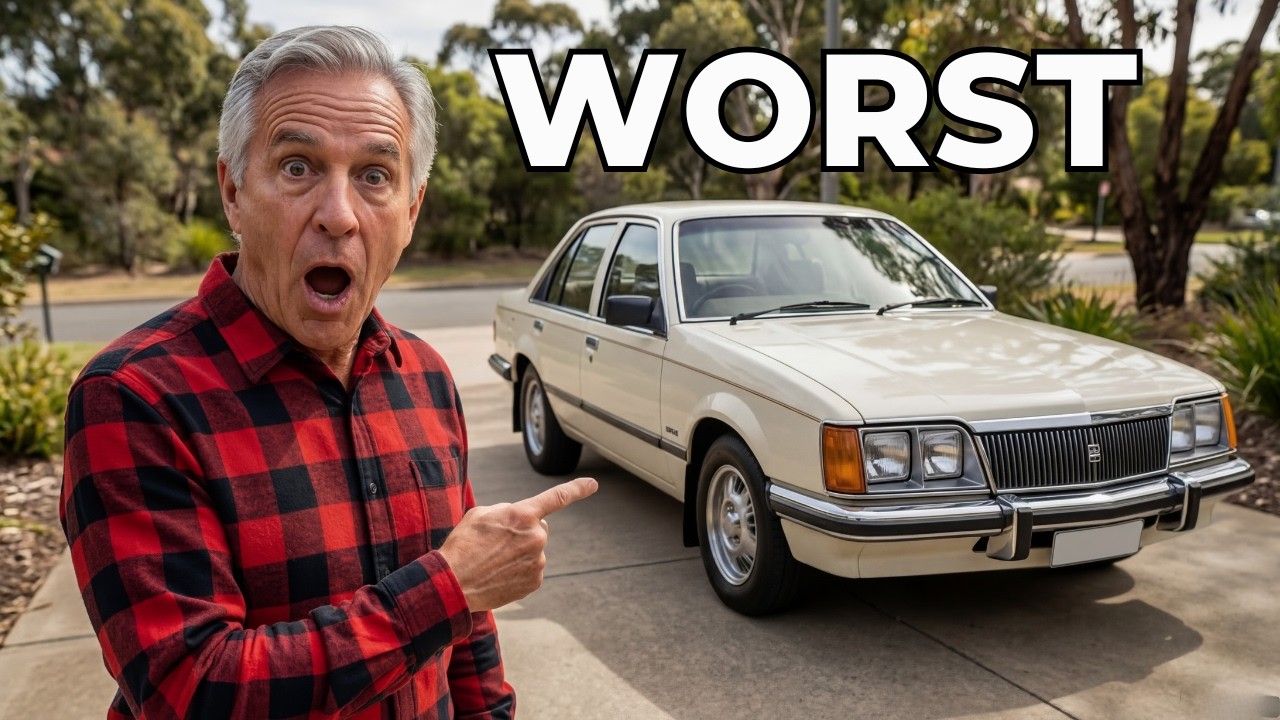
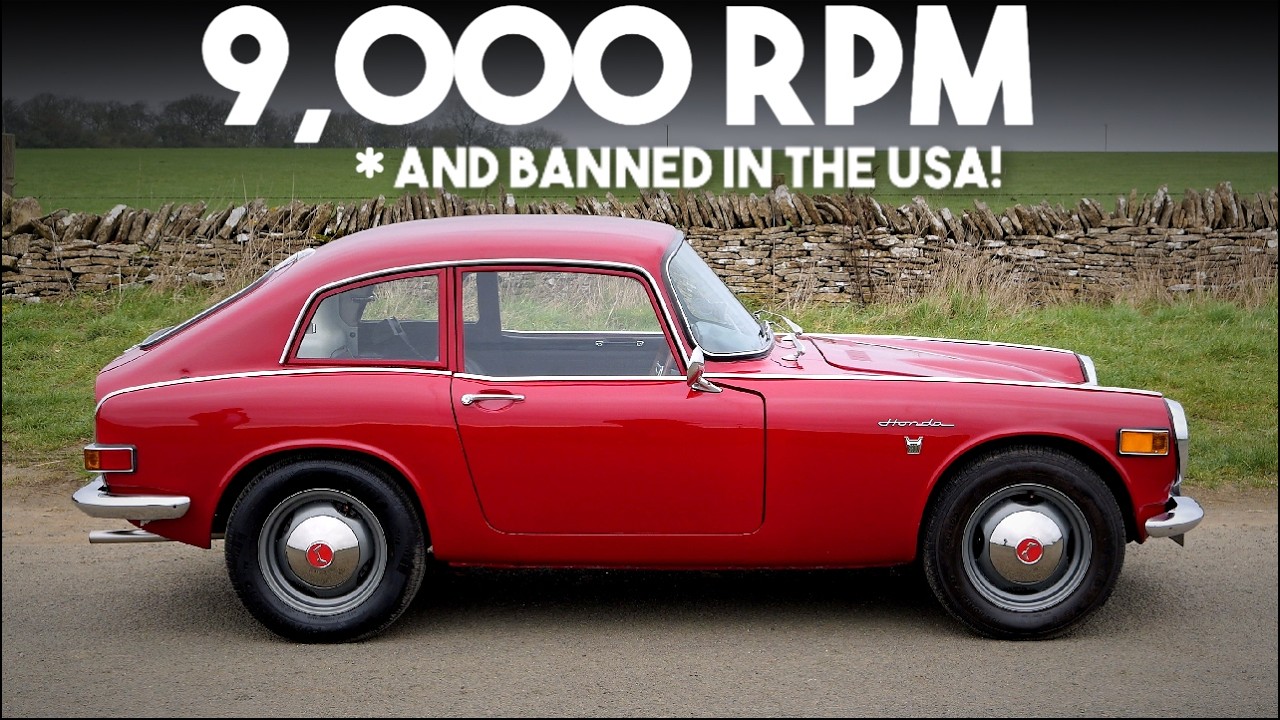
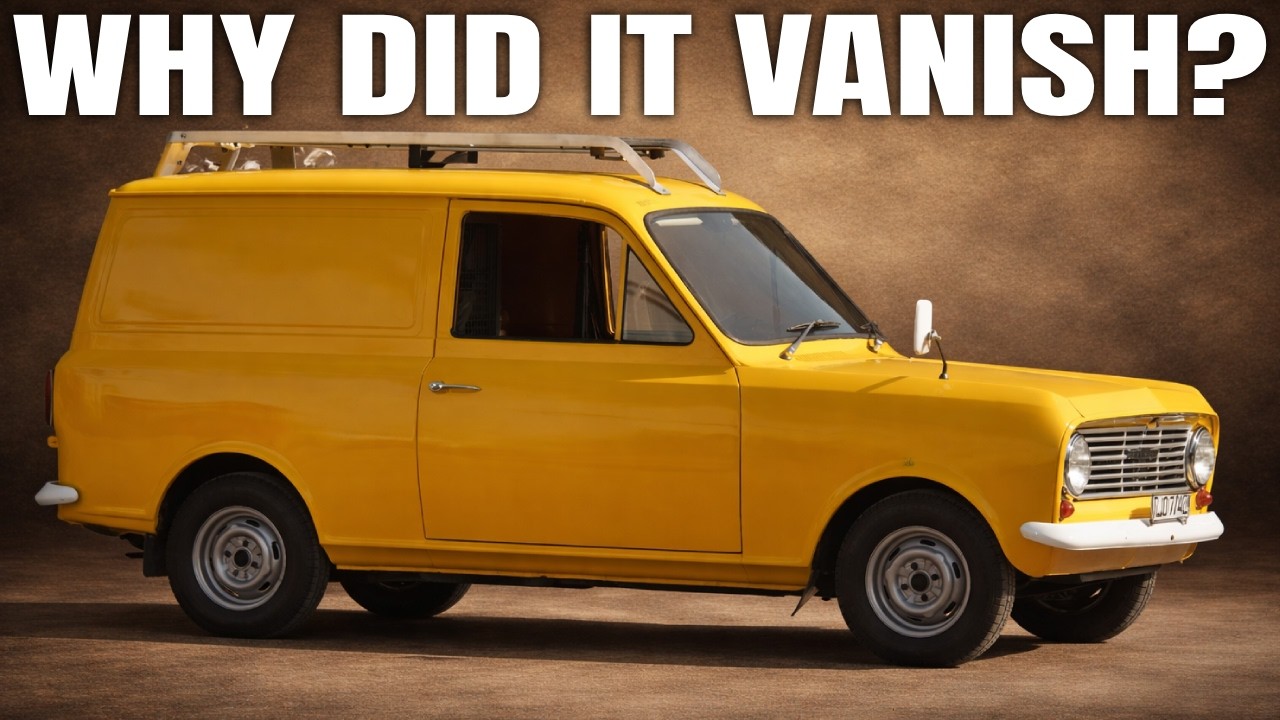
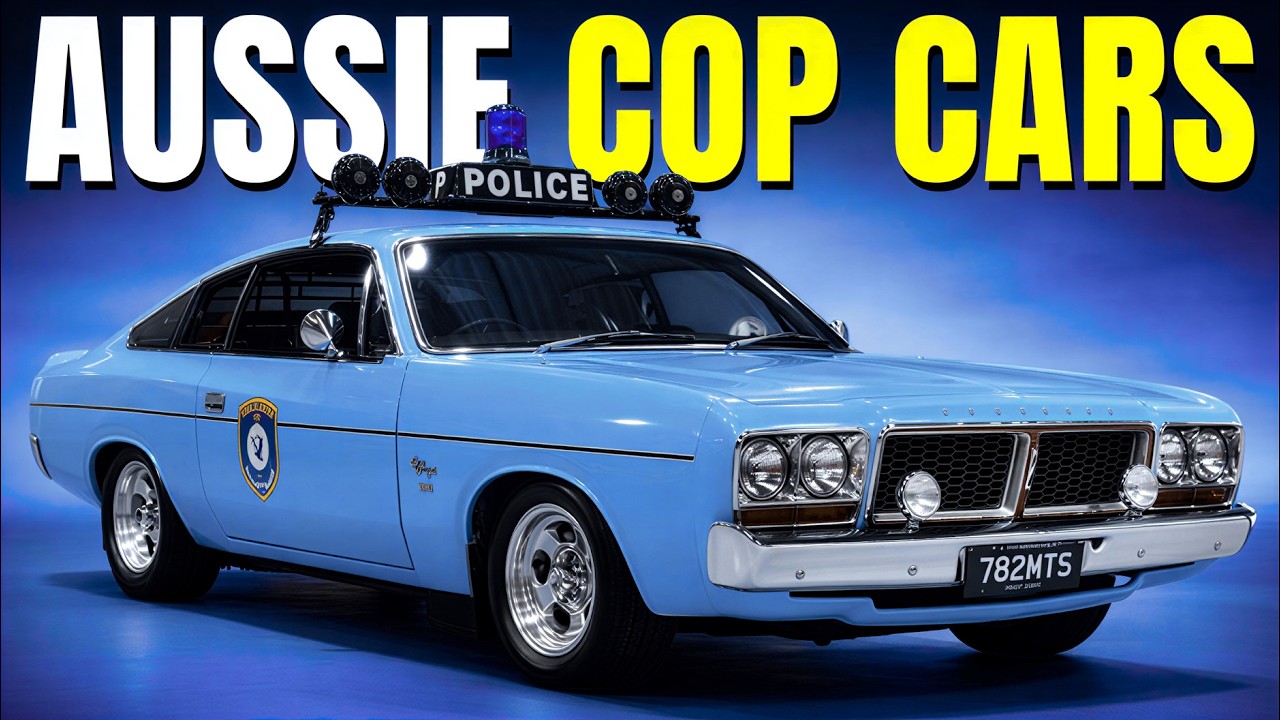
The 5 Worst Cars Ever Made in Australia (1970–1975)
Автор: Vintage Aussie Cars
Загружено: 2026-03-01
Просмотров: 4378
Описание:
The early 1970s were supposed to be a golden age for Australian motoring. Local factories were running at full capacity, dealerships were busy, and patriotic buyers proudly chose locally built machines for their families. But behind the bold advertising and shiny chrome, not every vehicle lived up to the promise.
Between 1970 and 1975, some cars rolled out of Australian factories that looked impressive in brochures — yet disappointed badly on the road. For many Aussie families, these vehicles became expensive lessons in reliability, durability, and quality control.
This list isn’t about hate — it’s about reality. These were the machines that tested patience, drained wallets, and left owners wishing they had chosen differently.
🚗 Built for Australia… But Not Tough Enough
Australian conditions are brutal. Long highways, scorching heat, coastal humidity, and rough regional roads expose weaknesses quickly. Some vehicles from this era simply weren’t engineered strongly enough for these conditions.
Overheating engines in summer traffic. Suspension components wearing out too quickly on country roads. Gearboxes that felt rough and inconsistent. These weren’t rare complaints — they were common conversations in workshops across the country.
🔧 Rushed Development, Rushed Results
The competition between manufacturers during the early ’70s was intense. The pressure to launch new models quickly meant corners were sometimes cut.
Panels didn’t always line up perfectly. Interior trims rattled. Switches failed earlier than expected. Buyers who paid good money for a brand-new car sometimes discovered that “new” didn’t mean “refined.”
First impressions matter — and once a reputation is damaged, it’s hard to recover.
🛠 Rust: The Silent Destroyer
Coastal Australia and humid regions were especially unforgiving. Many vehicles from this era suffered from poor rust protection.
Sills, floor pans, wheel arches, and door bottoms often showed corrosion far earlier than they should have. Owners who expected a decade of dependable service sometimes faced serious body repairs within just a few years.
Rust didn’t just affect appearance — it hurt resale value and long-term trust.
⛽ The Oil Crisis Effect
When fuel prices spiked in 1973, Australian buyers suddenly became more conscious of economy. Larger engines that once seemed appealing now felt expensive to run.
Some vehicles from this period were caught completely off guard. They weren’t efficient enough to be economical, and they weren’t powerful enough to justify their thirst. They sat awkwardly in the middle — and buyers noticed.
😕 Style Over Substance
There were cars that looked tough, sporty, and modern — but under the bonnet and beneath the bodywork, they felt average.
Some drove like family sedans despite aggressive styling. Others promised comfort but delivered noisy cabins and stiff rides. For many Australians, the disappointment wasn’t just mechanical — it was emotional.
Expectation versus reality is where reputations are made or destroyed.
🇦🇺 Why This Matters to Australian Drivers
Australian car culture is passionate. We love our machines, we defend our favourites, and we take pride in local manufacturing history. But being honest about the past doesn’t weaken that pride — it strengthens it.
The early 1970s were a learning curve. Not every car was a legend. Some were experiments that didn’t fully succeed. Some were victims of rushed timelines and tough economic conditions.
Yet even the worst performers helped shape better vehicles in the years that followed.
Because in Australia, even our mistakes are part of the story.
Повторяем попытку...
Доступные форматы для скачивания:
Скачать видео
-
Информация по загрузке: