How Poor Medieval Farmers Outsmarted Time With Sourdough
Автор: Belal Assaad
Загружено: 2026-01-02
Просмотров: 34
Описание:
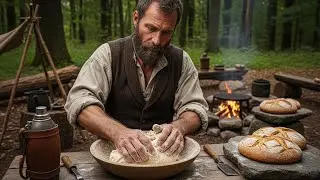
Old European village bakery with stone oven and handmade bread loaves
Description.
For centuries, medieval peasants relied on sourdough not just for taste, but for survival. This ancient bread-making method made bread last longer, easier to digest, and more nutritious—long before modern science explained why. In this video, we uncover the forgotten medieval secret behind sourdough, how it worked, and why modern bread can’t compare. What did they know that we forgot?
Intro (Hook)
For hundreds of years, medieval peasants baked bread without preservatives, refrigerators, or modern yeast—yet their bread lasted longer and nourished entire families. So what was their secret?
The Medieval Reality
In medieval times, bread wasn’t just food—it was survival. Peasants couldn’t afford waste. Every loaf had to last, digest easily, and provide real energy for hard labor.
The Power of Sourdough
Instead of commercial yeast, they used wild fermentation. Natural bacteria and yeast worked together, slowly breaking down grains. This made bread:
Easier to digest
Longer-lasting
Richer in nutrients
Why It Worked So Well
Sourdough reduces phytic acid, allowing the body to absorb minerals better. The mild acidity also prevented mold—acting as a natural preservative.
What We Forgot
Modern bread is fast, cheap, and soft—but it sacrifices nutrition and shelf life. Medieval peasants didn’t rush bread. They respected time, nature, and fermentation.
Conclusion
This wasn’t luck. It was knowledge passed down through generations—knowledge we’re only now rediscovering. Sometimes, the future lies in the past.
Повторяем попытку...
Доступные форматы для скачивания:
Скачать видео
-
Информация по загрузке: