Learn all About Nassarius Snails- One of The Ocean's Coolest Scavengers
Автор: Fish Tails
Загружено: 2025-01-12
Просмотров: 487
Описание:
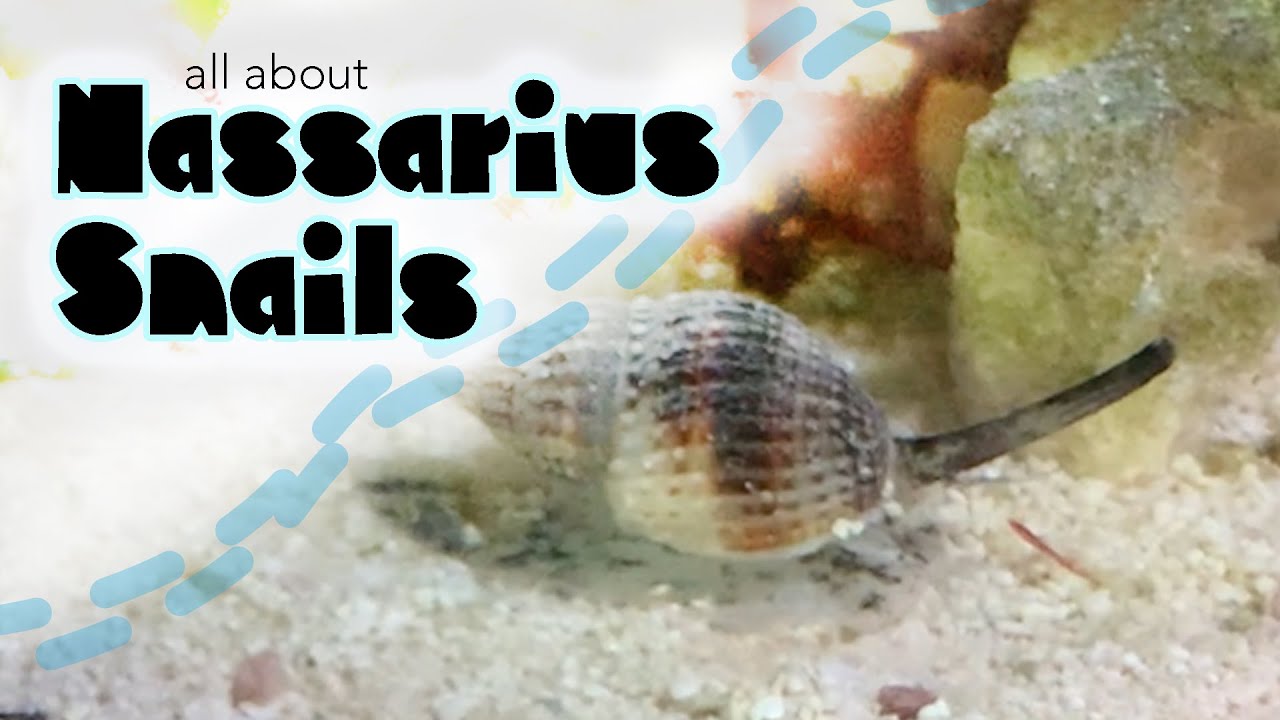
Nassarius snails are small, typically no larger than a few centimeters, with elongated, spiral-shaped shells often adorned with intricate patterns. Their anatomy includes a long, tube-like siphon that allows them to detect chemical signals in the water. This siphon is crucial for locating food sources, as these snails have a highly developed sense of smell.
These snails are primarily nocturnal and spend much of their time buried under the sand, emerging when they sense the presence of decaying organic material. This behavior helps them avoid predators while fulfilling their role as scavengers.
Nassarius snails are detritivores, feeding on decomposing organic matter such as dead fish, plant debris, and uneaten food left by other marine organisms. By consuming decaying material, they play a crucial role in nutrient recycling. Without scavengers like Nassarius snails, organic waste would accumulate, leading to increased bacterial growth and potential oxygen depletion in the water column.
Their feeding activity aerates the sediment, preventing the buildup of toxic gases such as hydrogen sulfide. This bioturbation improves the quality of the substrate, making it more hospitable for other benthic organisms, such as worms and clams. By keeping the seafloor clean, Nassarius snails support a healthy and balanced marine ecosystem.
The presence of Nassarius snails has a ripple effect on the broader ecosystem. For instance, their scavenging reduces the risk of disease outbreaks by removing decaying matter that could harbor harmful pathogens. Additionally, their burrowing behavior helps oxygenate the sediment, indirectly benefiting organisms like seagrasses and algae, which thrive in nutrient-rich environments.
Nassarius snails are also an important food source for predators, such as crabs, fish, and sea stars. This places them within the larger food web, where they act as a bridge between decomposing material and higher trophic levels.
In addition to their ecological importance in the wild, Nassarius snails are popular among aquarists for their ability to maintain clean tank environments. They are often introduced into marine aquariums to consume leftover food and organic waste, helping to prevent water quality issues and algae blooms.
While Nassarius snails are not currently endangered, they face threats from habitat destruction, pollution, and climate change. Coastal development and sediment contamination can disrupt their habitats, while changes in water temperature and acidity can affect their survival and reproduction. Preserving their natural habitats is essential for maintaining the delicate balance of marine ecosystems.
The Nassarius snail is a small but mighty player in ocean ecosystems. Its scavenging behavior ensures the cleanliness of marine environments, promotes nutrient cycling, and supports a diverse range of marine life. Protecting these unassuming creatures and their habitats is crucial for the health of the oceans—a testament to the interconnectedness of all marine species.
#snails #nassarius #aquarium #aquariumfish #cleanupcrew #invertebrates #shell #scavengers #saltwaterfishtank #reeftank #marinelife
Повторяем попытку...
Доступные форматы для скачивания:
Скачать видео
-
Информация по загрузке:


