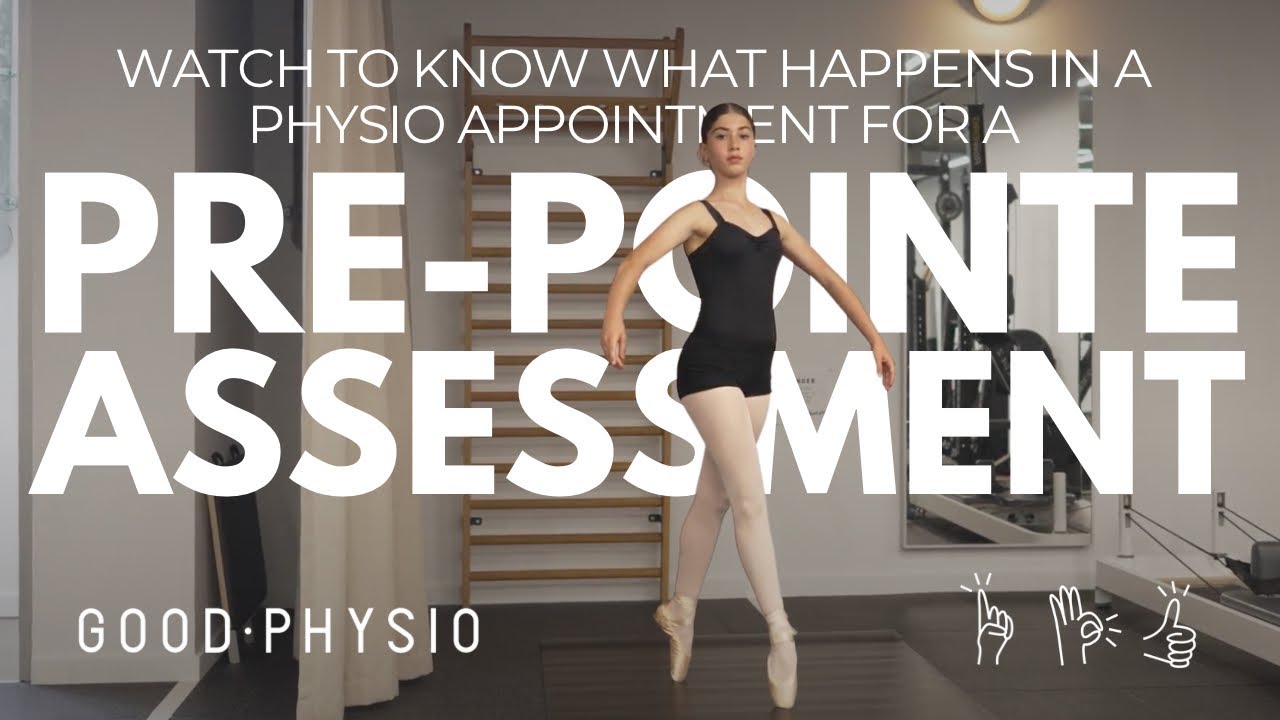
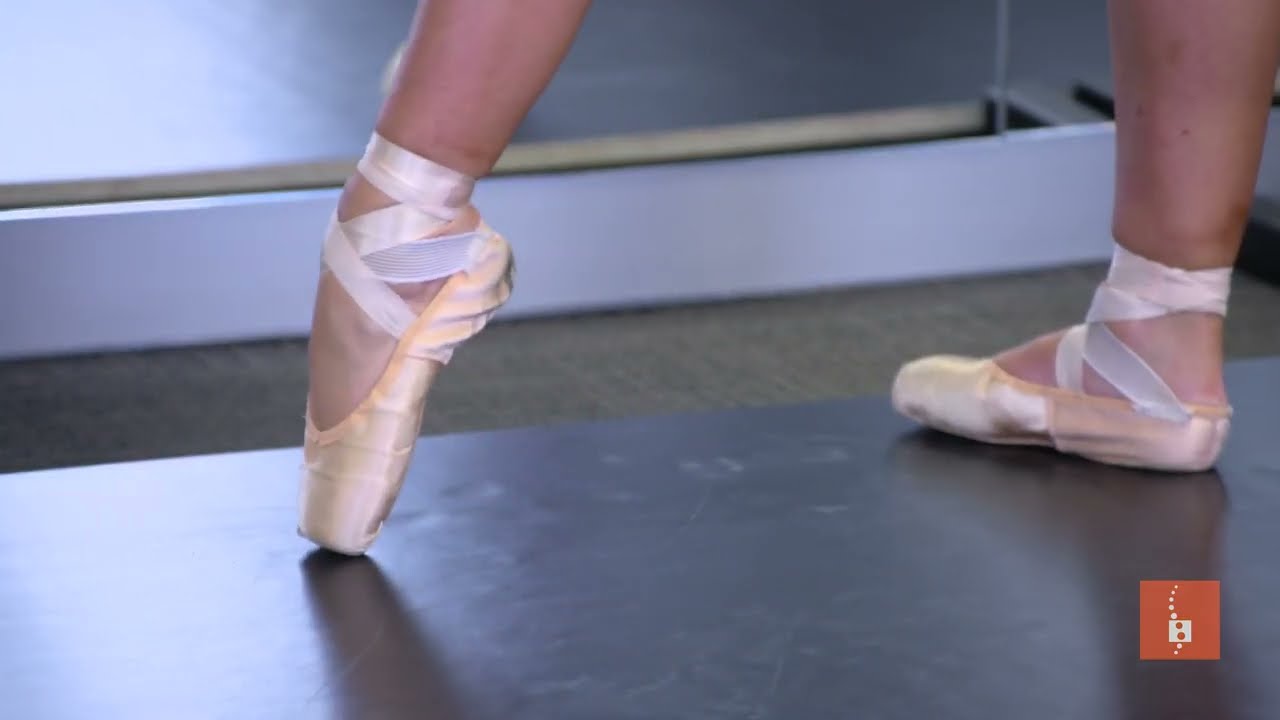
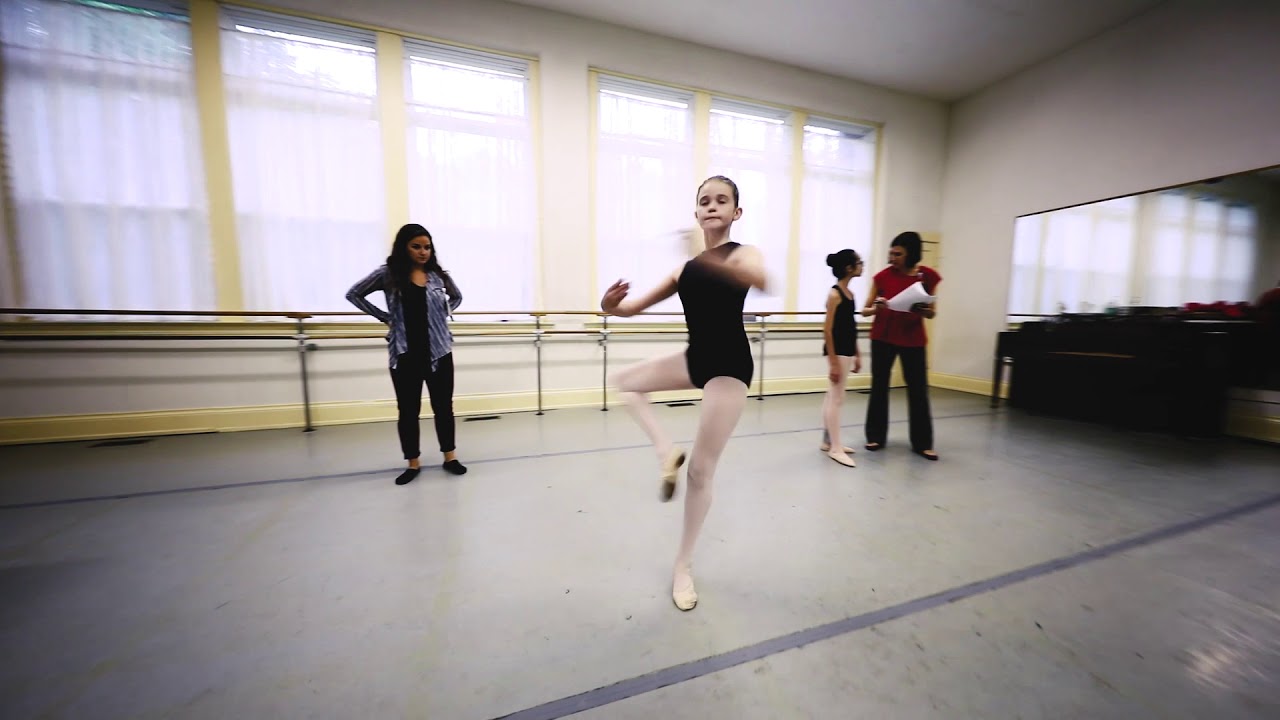
Pre-Pointe Evaluation | Cincinnati Children's
Автор: Cincinnati Children's
Загружено: 2018-11-01
Просмотров: 29797
Описание:
Youth Dance Injuries: How to Identify the Issue
Dance is hard on the body. Long hours of practice mean a dancer’s muscles are aching nearly every time they take the floor due to muscle fatigue. We consider that muscle fatigue to be a “good” pain because it will eventually make the dancer stronger.
It’s likely that every dancer will experience pain at some point in their training. Being able to identify the type of pain your young dancer is feeling will help to make sure they are not continuing to practice when they should be receiving treatment and recovering.
How to Identify Good Versus Bad Pain
Determining the difference between good and bad pain is vital in figuring out how to treat it. We consider bad pain to be the kind of pain that doesn’t subside within a day or two and is felt in a joint rather than the middle of a limb.
Most pain that requires treatment will be felt in the ankle, hips, knees or lower back. The majority of dance injuries occur in the feet or ankles because of the demand placed on these parts of the body when you dance.
Main Causes of Injuries in Young Dancers
Overuse
You will often hear the term overuse used as a reason why a dancer is experiencing pain. Personally, I don’t like to use this term because dance injuries are usually caused by something other than just the amount of time a child is dancing.
If the amount of dancing was the only thing that caused pain, then it would be expected that the entire dance team would be hurting. If that’s not the case it’s likely how a child dances, not the amount of time they do it, that caused the injury.
I find that the root of many issues usually comes down to weakness with a muscle or poor technique.
Technique Flaw:
A flaw in a dancer’s technique is one of the most common ways a child will injure themselves while dancing.
Most technique flaws start with a dancer’s turnout position. This is the fundamental position that all dancers base their movement out of.
The motion in a dance movement should come from the muscle support of a dancer’s hips and then the knees and ankles will fall into place. Problems arise when a dancer tries to force their turnout. That means instead of relying on their hips to be in the proper position they use the friction of the floor to turn their feet out -- more than their body is ready for. This puts extra stress on the knees and back and will eventually cause pain.
Monitoring how a dancer gets to their turnout is not something most dance instructors have time to look for. Instructors will check to make sure the dancer’s turnout position looks right, but not necessarily whether the proper muscles are being used to get the dancer in that turnout position.
Growth Spurts
Many injuries happen when a dancer experiences a growth spurt. As a child gets bigger, the muscles in their body are forced to work harder. For that reason, a child who has been injury-free may start to experience pain simply because his or her muscles are being asked to move heavier bones.
During this time of transition for the body, we find that a dancer may not be able to perform a move properly that they once were able to do with ease. That leads to compensation from other parts of the body, which causes pain and injury.
It’s a hard concept for some dancers to understand because they could do the move fine when they were 8, but now that they’re bigger they may need to relearn it to avoid injury.
Growth spurts also tend to happen just as dancers reach the age when they start to practice longer hours, which can compound the issue.
To schedule a dance injury clinic at your studio, please contact Aly Filipa, PT, DPT, MS, SCS, CSCS at 513-803-9978 or email [email protected]. You can also contact Mary Beth Foreman, PT, DPT at 513-517-0438 or email [email protected].
Повторяем попытку...
Доступные форматы для скачивания:
Скачать видео
-
Информация по загрузке: