Do Not Call, E-Sign, Patriot Act, and Homeowner's Protection Act (Free Tutorial)
Автор: National Mortgage Exam
Загружено: 2022-05-04
Просмотров: 745
Описание:
Welcome to the sixth episode of the National Mortgage Exam Tutorials & Practice Tests videos. The series will be following the sequence of topics as presented in the NMLS test content outline at https://bit.ly/NMLSoutline. Near the end of each video there is a link for downloading practice questions.
All bit.ly urls are case-sensitive including the quiz link in the video. Look in your Download Folder on your computer or phone to see the quiz pdf file.
If you prefer to read material rather than listen, you can purchase The SAFE Mortgage Loan Originator National Exam Study Guide at https://amazon.com/author/patriciaoco.... It is available in kindle and paperback versions. There are hundreds of questions and two practice exams.
Please take a moment to subscribe at https://bit.ly/mortgage-exam. First, go to Settings/Privacy in your profile and make subscriptions public. You have to do this before you subscribe if you want quizzes starting at video #8.
*****************************************************************************
Gramm-Leach-Bliley Act (GLBA)
• Enacted in 1999 to protect the personal information of individuals and businesses held by financial institutions not already regulated (check-cashing services, mortgage, title, and tax preparation)
• Enforced by the Federal Trade Commission.
• The Financial Privacy Rule defines a consumer as someone who engages in a specific activity (check cashing service). A customer has an ongoing relationship (getting a mortgage.) A consumer receives a privacy notice only if the business shares their information with non-affiliated companies. A customer receives an annual privacy notice with the opportunity to opt out of most information sharing.
• Safeguard Rule –regulated financial institutions must take steps to protect customers’ private information. Design, implement, and maintain safeguards. Monitor their compliance as well as their service providers.
Do Not Call/Do Not Fax
• Established a national Do Not Call registry that’s enforced by Federal Trade Commission.
• Free registration of 3 phone # that telemarketers cannot call without permission.
• Telemarketers can never call anyone who has requested not to be called even if they aren’t registered,
• Exceptions include: political, charitable, telephone surveys, established business relationship – continue to call for 18 months after conclusion, customer inquiry – continue to call for 3 months
• Telemarketers must pay required fees, search registry at least every 31 days, and drop any consumer numbers
• Safe Harbor – Companies won’t be fined if they have written policy, search registry every 31 days, have an internal list of do-not-call customers, and can prove the call was an error.
• Additional telemarketer offenses include: calling before 8AM or after 9PM, leaving a message without a phone #, not identifying itself, leaving a prerecorded message without a relationship or permission, offering debt-relief services without stating the details.
Do Not Fax – No one can fax unless there is a pre-established relationship, fax number is public, received permission, and opt out instructions on first page.
Mortgage Acts and Practices (Regulation N)
Copies of all commercial advertising must be kept for 2 years. It is illegal to misrepresent any loan terms in a commercial advertisement.
Electronic Signatures (E-Sign Act)
Passed in 2000, it allows electronic documents and electronic signatures to be valid as long as a consumer has consented.
USA Patriot Act
Loan originators and lenders must collect borrower’s:
• Name.
• Address.
• Birth Date.
• SSN or employee identification number.
• Government-issued photo identification.
All financial institutions must:
• Must establish a Customer Identification Program to verify the identity of all account
holders.
• Maintain confidentiality of all documents.
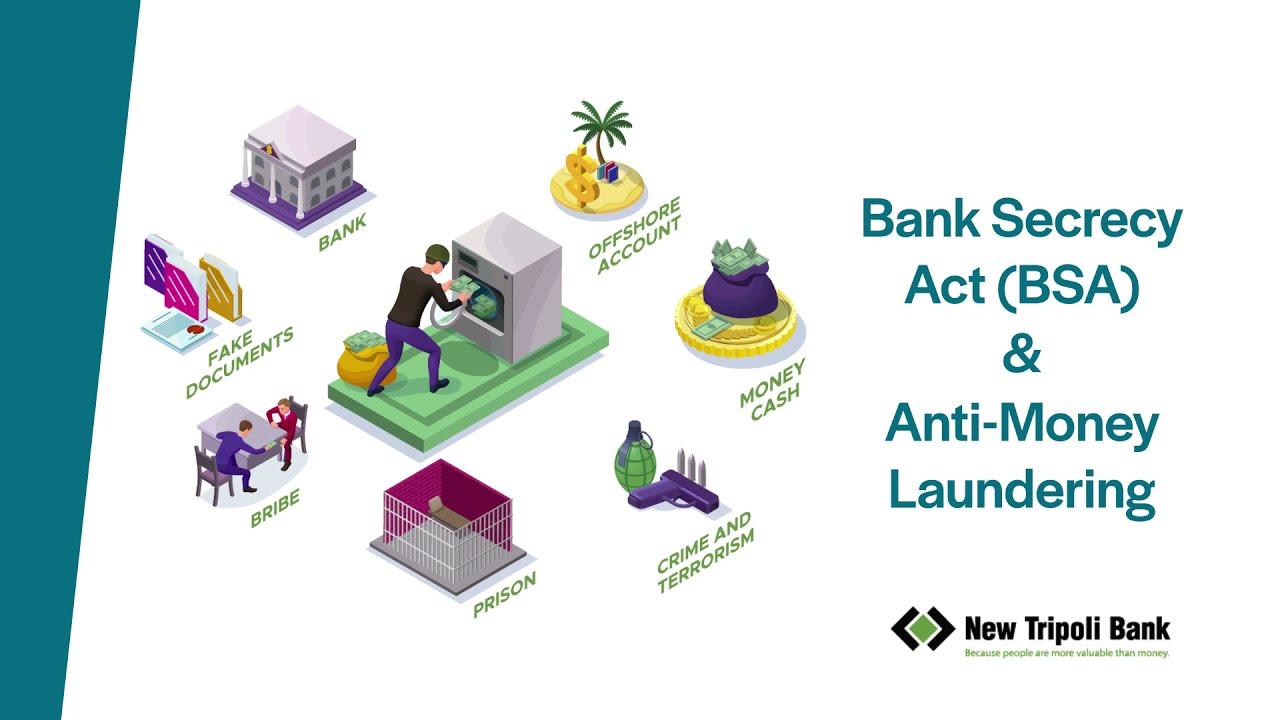
• Establish an anti-money laundering policy.
• Report suspicious activity.
• Report any receipt of currency exceeding $10,000.
• Verify names of account holders against a federal database of known terrorists and fugitives.
• Train employees on policy compliance.
Homeowner’s Protection Act
• The lender MUST cancel the PMI when the loan-to-value ratio reaches 78%, based on the original value of the home, as long as the borrower is not in default.
• Borrowers may request cancellation when the loan-to-value ratio is 80% based on the original value of the home.
• Borrowers must be sent an annual notice of their rights.
Повторяем попытку...

Доступные форматы для скачивания:
Скачать видео
-
Информация по загрузке:










![Passing the NMLS Exam - A Quick Overview of RESPA for the NMLS Exam [older version-info still valid]](https://imager.clipsaver.ru/KU7IKMY3qF0/max.jpg)