GERMANY: SEIFFEN: TOYMAKERS STRUGGLE TO MAKE ENDS MEET
Автор: AP Archive
Загружено: 2015-07-21
Просмотров: 4016
Описание:
(22 Dec 1994) German/nat
There's trouble in toyland.
The toymakers of Seiffen, in post-communist east Germany, are struggling to make ends meet.
Coupled with the new pressures of capitalism are the cheaper imitations flooding world markets from Asian toymakers.
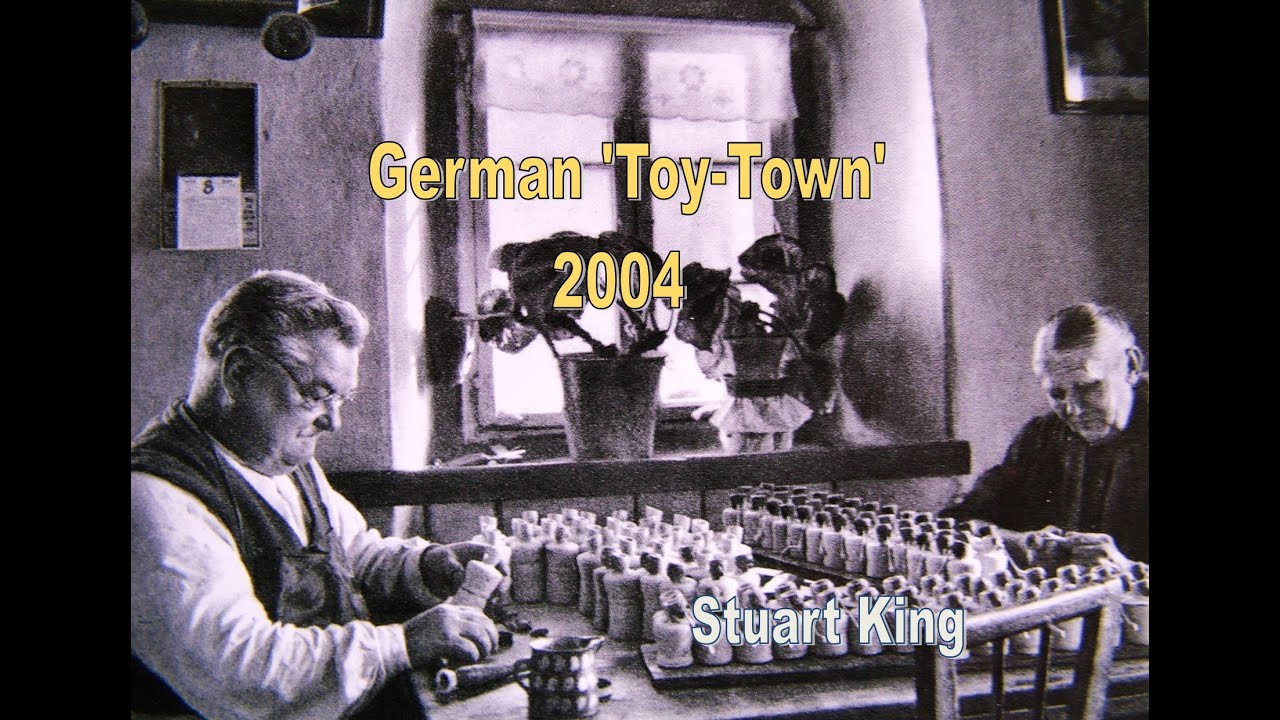
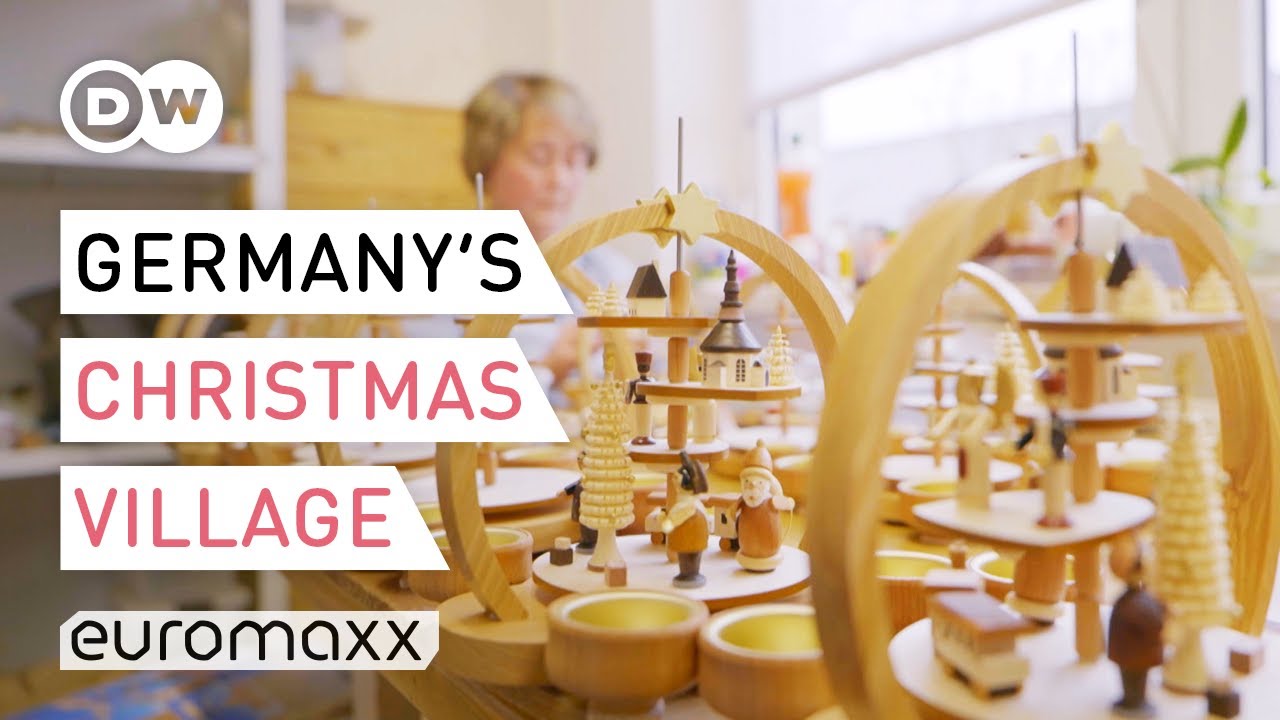
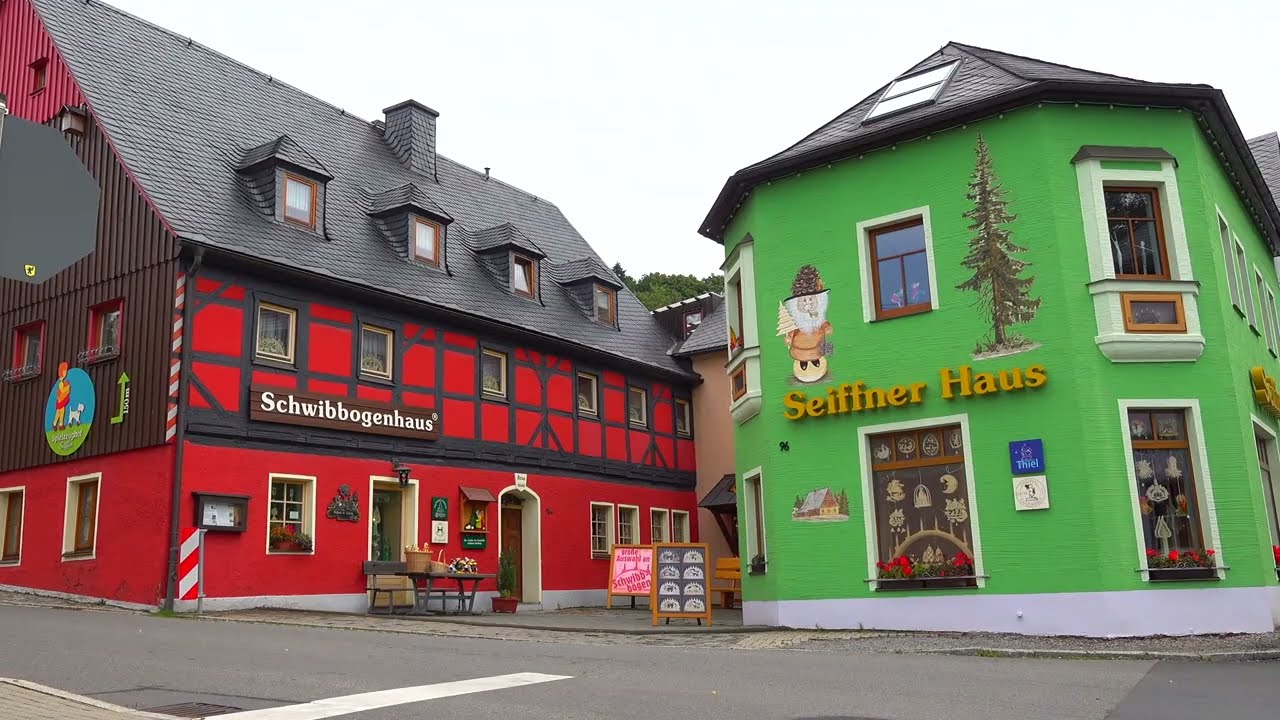
This picturesque hamlet on the Czech border in east Germany's boasts a 300-year tradition of handmade toys.
Nestled in a forest-ringed hill about 40 kilometres (25 miles) south of Dresden, Seiffen is home to 150 proud toymaking families.
The very name, Seiffen, is synonymous with carefully crafted wooden toys. Even the church looks like a toy.
But there's trouble in toyland.
The Communist economic controls which nurtured the town's industry are no longer there.
The toymakers face soaring costs for wood and other essentials.
And the age-old tradition is threatened by the lack of young workers who are leaving the Erzgebirge region to go west, lured by better jobs and more pay.
SOUNDBITE: ``In the 17th Century, miners started working with wood, first for their own use, then toys for their children and later it developed into this special Erzgebirge art.''
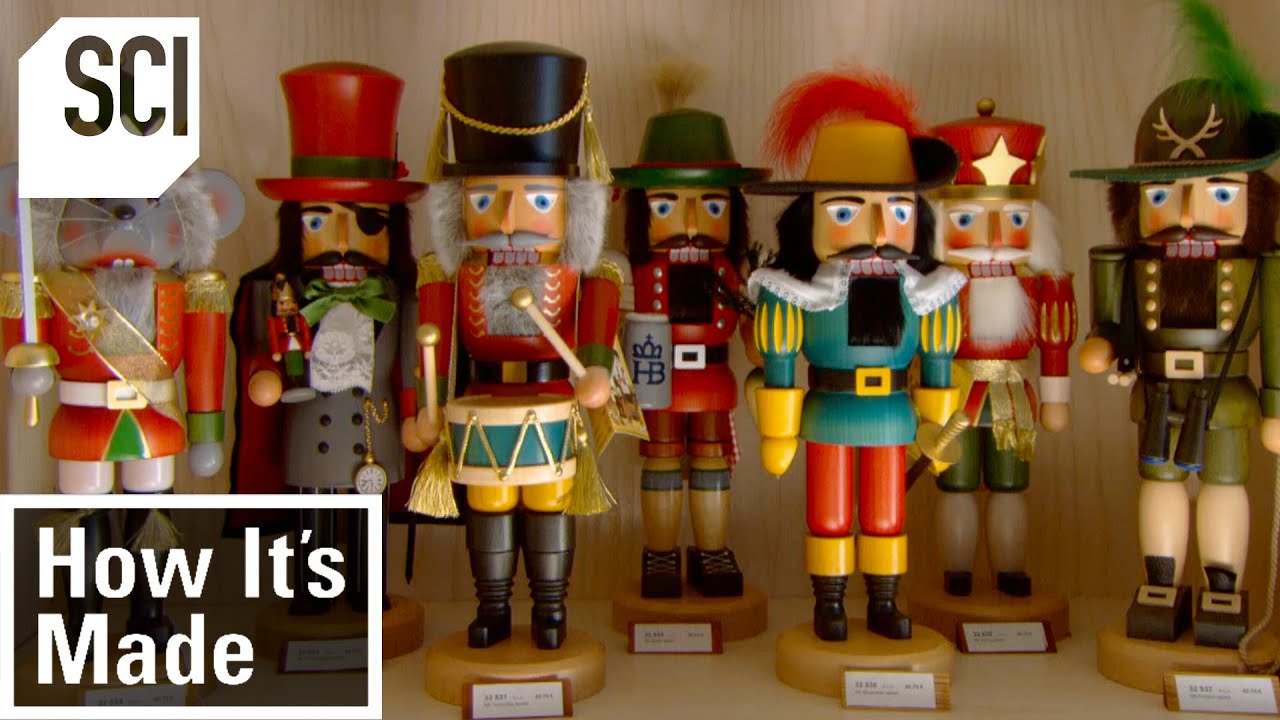
SUPER CAPTION: Klaus Kaden, manager, Seiffener Nutcracker House
Kaden said the end of Communism brought greater creativity to the workshops.
SOUNDBITE: ``After the unification the creativity of our range grew and everyone was able to work in his own style. We set great store by the originality and quality of our products, and by working on new ideas all the time we try to be competitive in the market.''
SUPER CAPTION: Klaus Kaden, manager Seiffen Nutcracker House
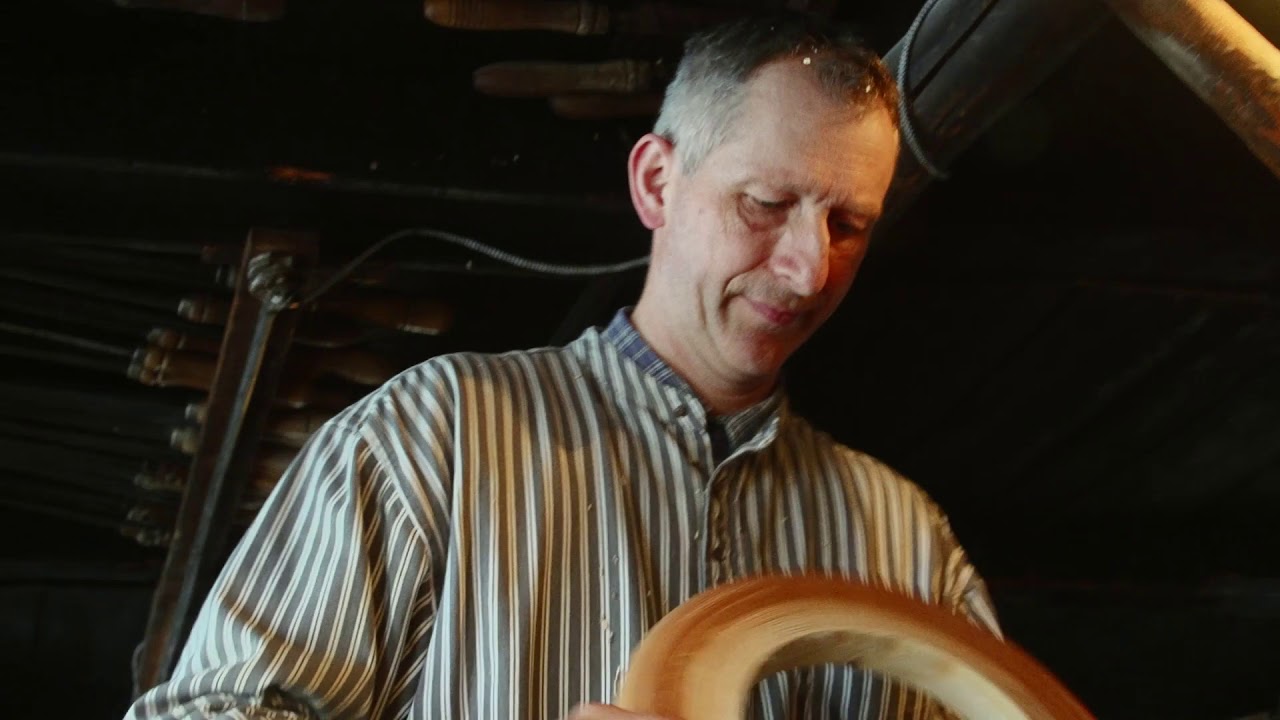
In the Seiffen toy factories workers use traditional tools and skills to create the wooden toys.
And although the end of Communism has freed the workers to widen their range the toymakers must now compete in the world market, flooded with shoddy Asian imitations.
The toymaking tradition began in the 17th century when local mines ran out of tin.
The hard-up miners began selling wooden figures they carved for their children.
During World War Two hand grenade handles and V1 rocket components were produced in the toy factories.
After the war the Communists allowed the toymakers to keep working so their goods could be sold for hard currency.
Today more than 750-thousand people visit the picturesque toyland each year.
Find out more about AP Archive: http://www.aparchive.com/HowWeWork
Twitter: / ap_archive
Facebook: / aparchives
Instagram: / apnews
You can license this story through AP Archive: http://www.aparchive.com/metadata/you...
Повторяем попытку...

Доступные форматы для скачивания:
Скачать видео
-
Информация по загрузке: