Trump, Congress, and War Powers: Legal Expert Josh Kolsrud Breaks Down the Constitutional Battle
Автор: Kolsrud Law Offices
Загружено: 2026-03-05
Просмотров: 1
Описание:
Kolsrud Law Offices
1650 N 1st Ave
Phoenix, AZ 85003
https://kolsrudlawoffices.com/
Is the President Required to Get Congressional Approval?
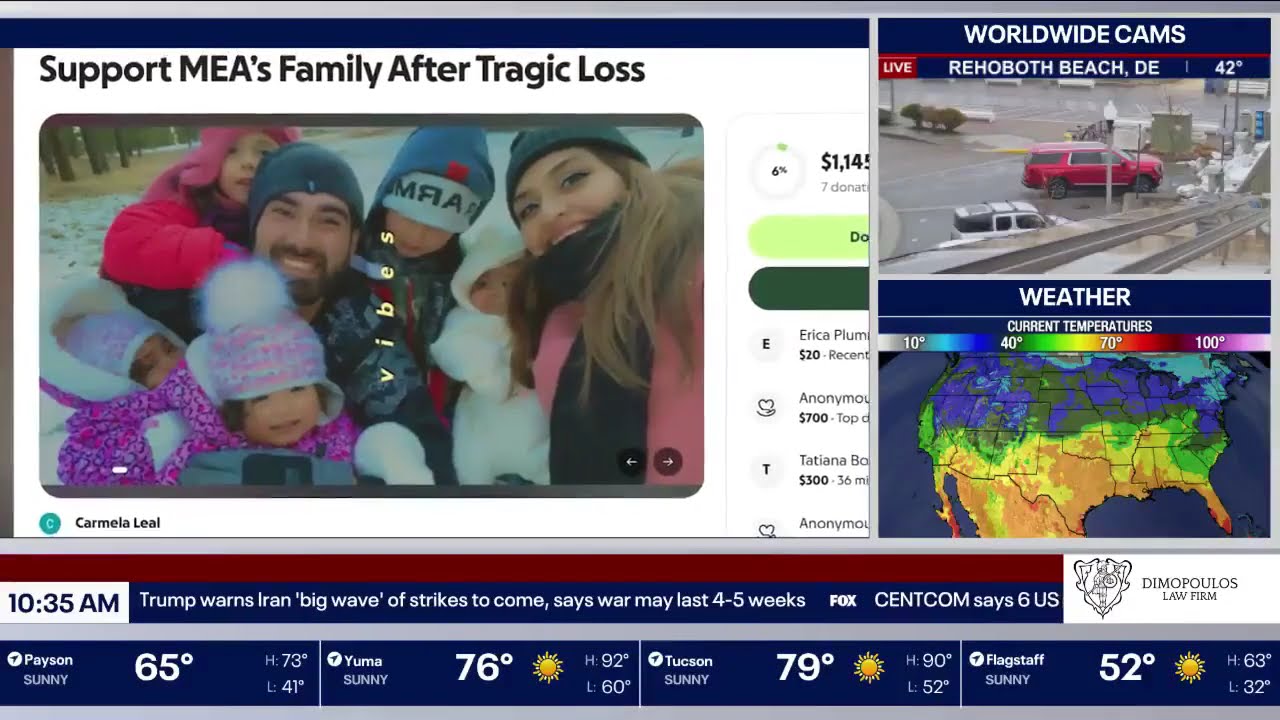
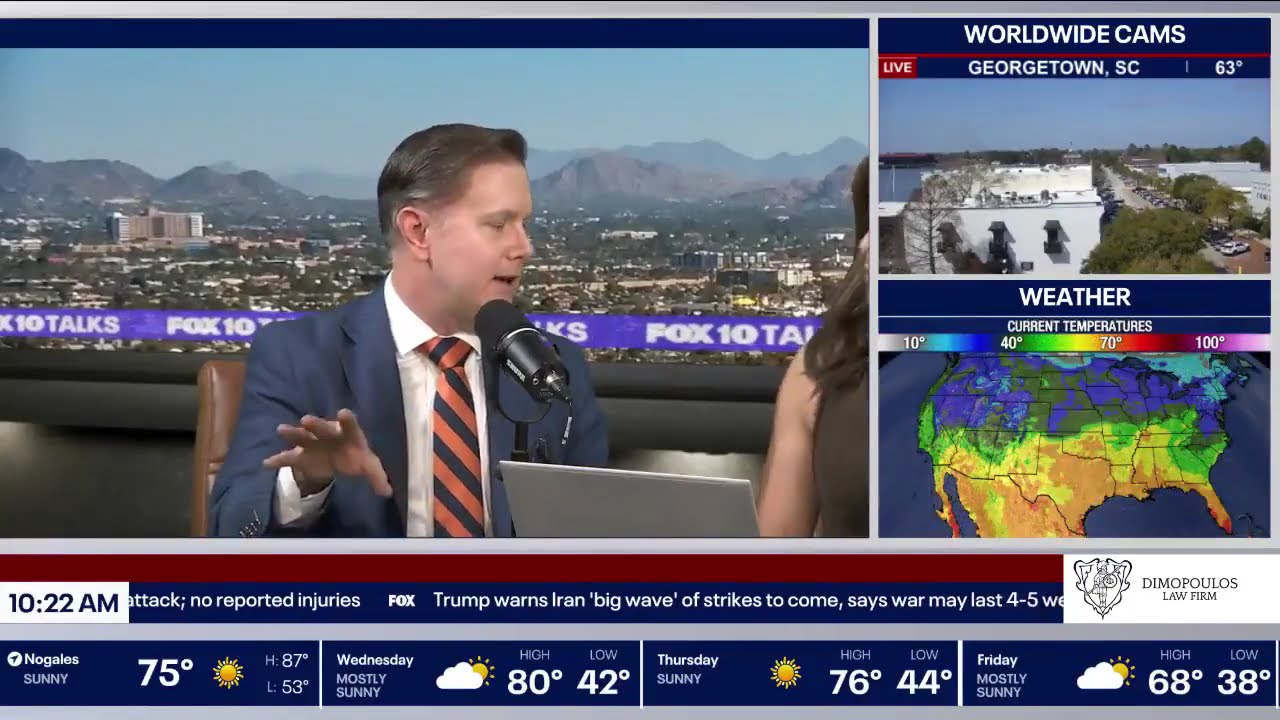
In a recent appearance on Fox 10 Talks, Phoenix defense attorney Josh Kolsrud explained that President Trump may not actually be legally required to seek congressional approval for recent U.S. military strikes involving Iran. According to Kolsrud, the key legal authority comes from the Authorization for Use of Military Force (AUMF) passed by Congress in 2001, which granted the executive branch broad power to take unilateral military action against threats to U.S. national interests. Kolsrud pointed out that presidents from both parties have relied on this authority for decades, including President Obama’s 2008 military action in Libya, demonstrating how expansive the interpretation of “national interest” has become.
The Ongoing Power Struggle Between Congress and the Presidency
Kolsrud emphasized that the current debate reflects Congress attempting to reclaim powers it previously delegated to the executive branch. While Article I of the U.S. Constitution gives Congress the authority to declare war, Article II designates the president as commander-in-chief, allowing unilateral action when national security is at stake. If Congress were to pass legislation restricting Trump’s military actions against Iran, Kolsrud predicts the president would likely challenge it on constitutional grounds. That dispute could ultimately land before the Supreme Court, forcing the justices to clarify what legally constitutes “war” and how far presidential military authority actually extends.
Could International Law Be an Issue?
Kolsrud also addressed questions surrounding the targeted killing of a foreign leader during the strike. He noted that the United Nations Charter, drafted with U.S. involvement in 1945, generally prohibits assassinating non-enemy combatants. However, Kolsrud explained that the legality would depend on whether the targeted leader is considered an enemy combatant. He pointed out that supporters of the strike argue there is strong precedent suggesting the Iranian leader was effectively engaged in long-term hostilities against the United States, which could justify the action under existing interpretations of international and wartime law.
Key Takeaways from Josh Kolsrud
The 2001 Authorization for Use of Military Force gives presidents broad authority to launch military actions without prior congressional approval.
Congress hasn’t formally declared war since World War II, despite multiple major conflicts.
The Constitution creates an ongoing tension between congressional war powers and presidential commander-in-chief authority.
Any attempt by Congress to block the president’s actions could trigger a Supreme Court showdown over constitutional war powers.
The legality of targeting foreign leaders may hinge on whether they are legally considered enemy combatants under international law.
Повторяем попытку...
Доступные форматы для скачивания:
Скачать видео
-
Информация по загрузке: