How LUCRATIVE was trapping?
Автор: Revere0311
Загружено: 2025-10-29
Просмотров: 6426
Описание:
The Rise of the Mountain Trade
Around 1810–1820, American traders began pushing into the Rockies, competing with British-Canadian companies like the Hudson’s Bay Company (HBC) and the North West Company.
Manuel Lisa and the St. Louis–based Missouri Fur Company were early players, followed by John Jacob Astor’s American Fur Company, which grew into a powerful monopoly.
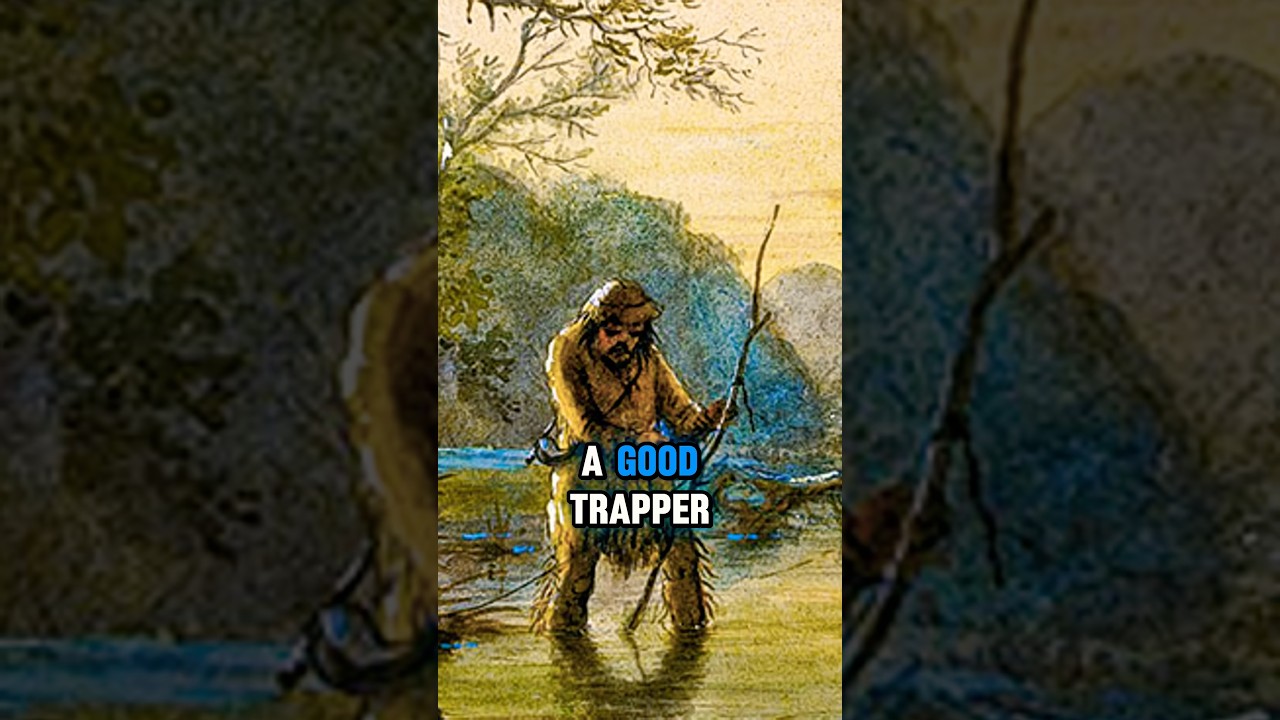
Fur trappers in the Rockies were often “free trappers” or “mountain men”, who worked independently or loosely for large companies.
Native American tribes—Crow, Shoshone, Blackfeet, Nez Perce, and others—were essential partners, providing knowledge of terrain, trading furs, and supplying horses.
The Rendezvous System
Beginning in 1825, the Rocky Mountain Fur Company (founded by William Ashley and later run by figures like Jim Bridger, Jedediah Smith, and Thomas Fitzpatrick) introduced the rendezvous system.
Instead of hauling furs back east yearly, trappers, traders, and Native Americans met each summer at a designated site (often in Wyoming, Utah, or Idaho valleys).
The rendezvous became part trade fair, part festival, with whiskey, trade goods, games, and negotiations.
This system lasted until the 1840s, shaping much of the romanticized image of the mountain man era.
Challenges and Decline
The trade was extremely dangerous: isolation, harsh winters, attacks (especially with the Blackfeet), and high mortality.
By the late 1830s–1840s, several factors caused decline:
Fashion changes in Europe: silk hats replaced beaver felt.
Overtrapping led to declining beaver populations.
Increased competition from Hudson’s Bay Company, which deliberately flooded markets with cheap furs to undercut Americans.
By 1840, the last major rendezvous was held, marking the symbolic end of the classic mountain man era.
Legacy
Though the trade collapsed, it paved the way for:
Westward expansion and trails (Oregon, California, Mormon, and Santa Fe Trails all followed mountain man paths).
Geographic knowledge of the Rockies, recorded by trappers and cartographers.
A lasting mythology of rugged individualism, embodied in figures like Kit Carson, Jim Bridger, Hugh Glass, and Jedediah Smith.
Summary
The Rocky Mountain fur trade peaked between 1820–1840, driven by high European demand for beaver pelts and sustained by the rendezvous system. Though short-lived, it left an enduring imprint on U.S. westward expansion, Native relations, and frontier mythology.
Повторяем попытку...
Доступные форматы для скачивания:
Скачать видео
-
Информация по загрузке: