Vertebral Artery Test
Автор: Heafner Health Physical Therapy
Загружено: 2017-05-21
Просмотров: 56417
Описание:
It is our mission to challenge sports and orthopedic physical therapists to become clinical experts by providing residency level education.
Follow us!
✮ EMAIL: [email protected]
✮ BLOG: https://www.thestudentphysicaltherapi...
✮ INSTAGRAM: / tsptofficial
✮ FACEBOOK: / tsptofficial
✮ INSIDER ACCESS: https://insider.thestudentphysicalthe...
For more advanced techniques, check out The Student Physical Therapist Insider Access Page at
http://www.thestudentphysicaltherapis...
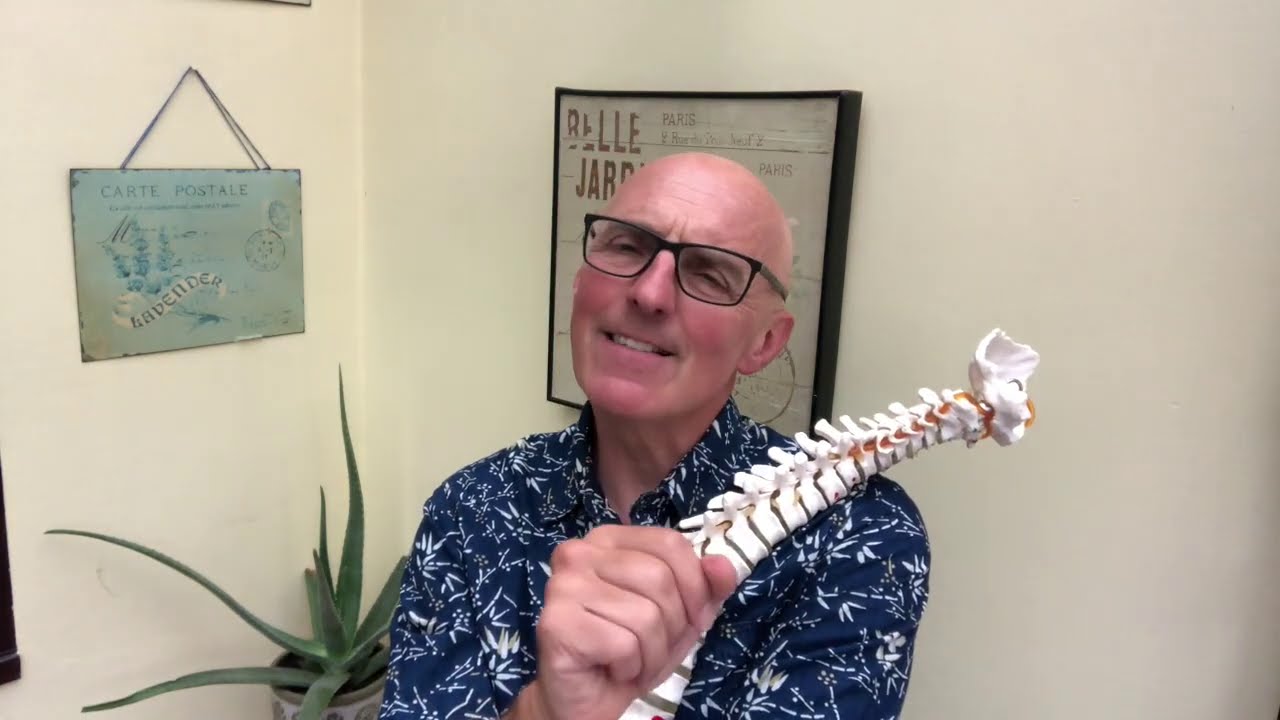
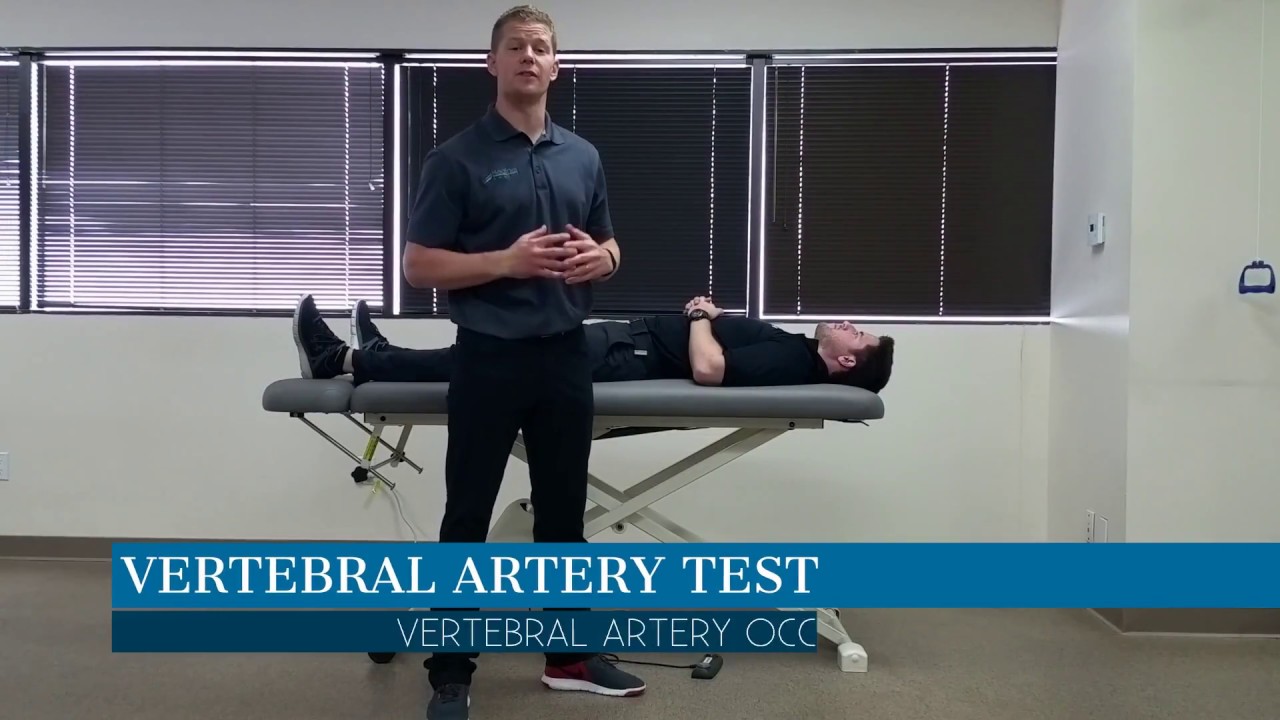
Purpose: To assess the contributions of vertebral artery occlusion to the patient’s symptoms.
Test Position: Sitting.
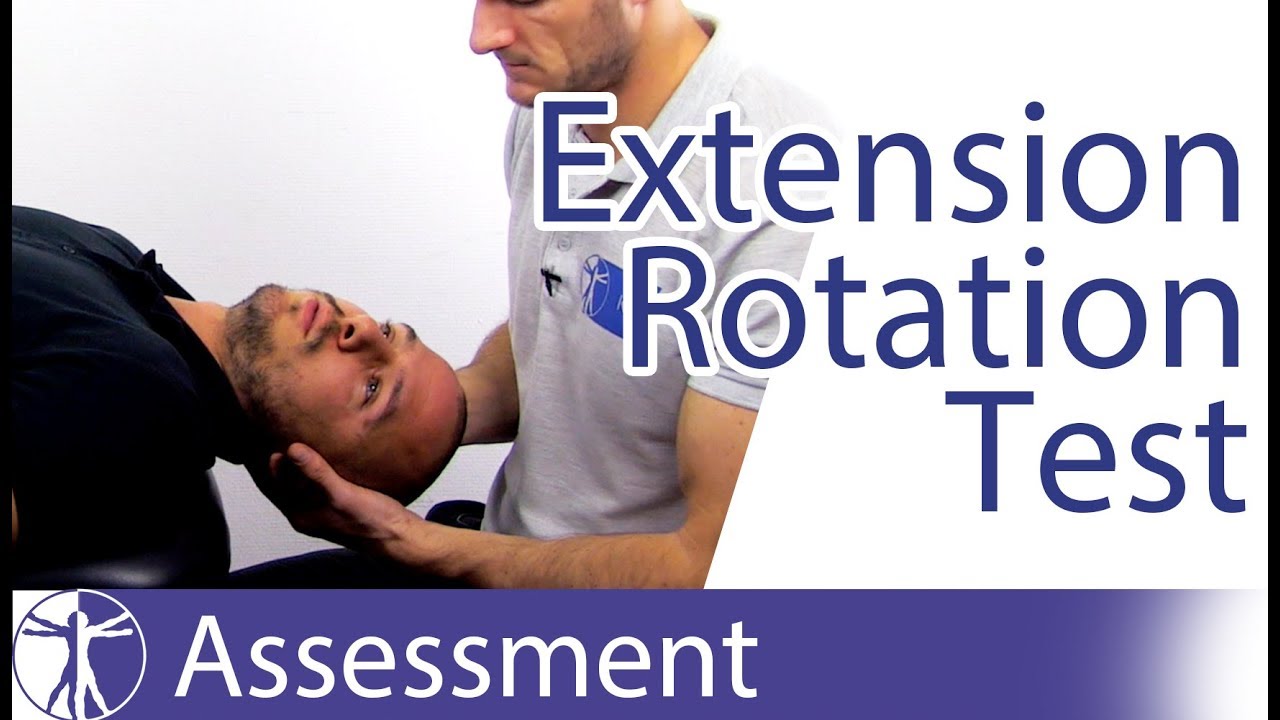
Performing the Test: Patient rotates head opposite to tested side maximally and holds position for 10 seconds. Patient returns to neutral for 10 seconds. Patient extends head for 10 seconds. Patient returns to neutral for 10 seconds. Patient extends and rotates head (again opposite tested side) maximally for 10 seconds. Positive symptoms include (The 5 D’s) dizziness, diplopia, dysarthria, dysphagia, drop attacks, nausea and vomiting, sensory changes, nystagmus, etc.
Diagnostic Accuracy: Sensitivity: 0%; Specificity: .67-90%; +LR: .21-.87; -LR: 1.02-1.40 (“Cote P et al. J Manipulative Physiol Ther. 1996”).
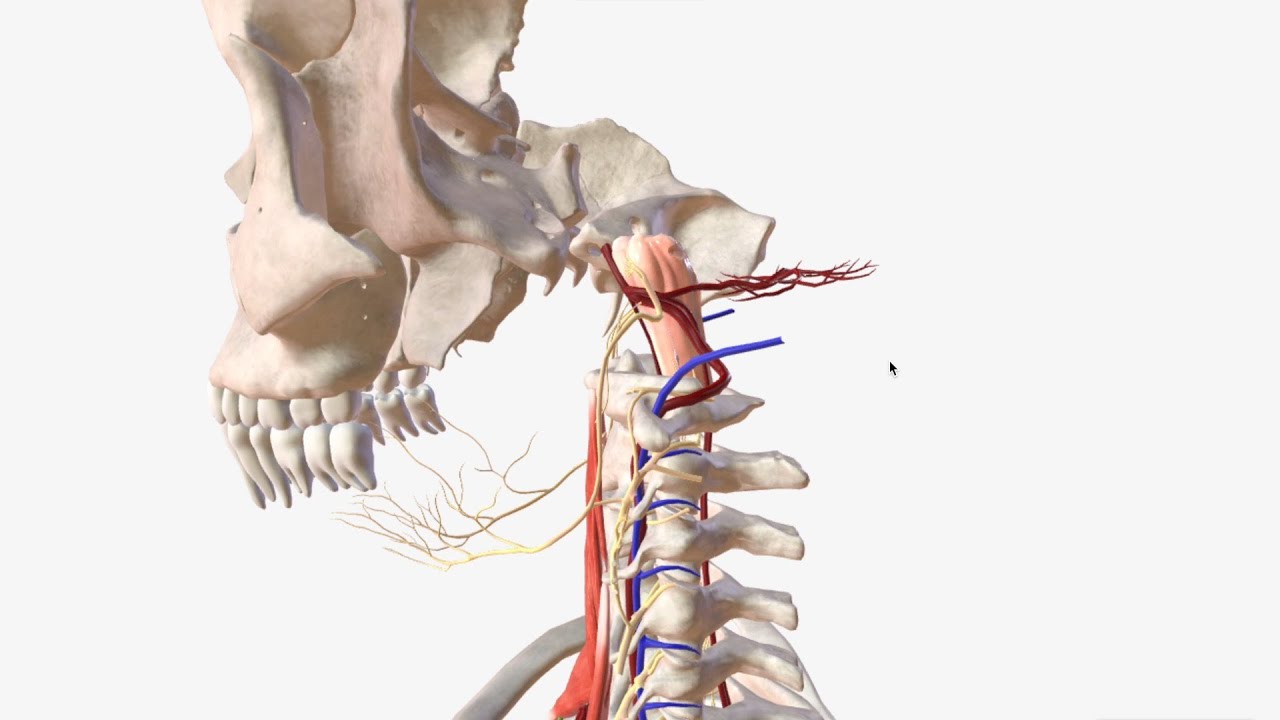
Importance of Test: If a patient tests positive on the Vertebral Artery test, they may have Vertebrobasilar Insufficiency (VBI), but if they test negative on it, you CANNOT rule out Vertebrobasilar Insufficiency. The theory behind this test is to maximally stress the opposite vertebral artery by stretching it to decrease the space in the lumen of the artery. The position of extension with contralateral rotation has been shown to decrease the diameter of the artery, but, again, the diagnostic accuracy of the test is still poor.
Note: tests should only be performed by a properly trained health care practitioner.
Повторяем попытку...
Доступные форматы для скачивания:
Скачать видео
-
Информация по загрузке:






![Лучше для поясницы НЕ придумаешь [ТОП комплекс в 2026]](https://imager.clipsaver.ru/vQmdkKzwPPA/max.jpg)