The 1933 Crime Against Savers — When America Seized Gold and Stole 40 Percent
Автор: Secret Files of the Economy
Загружено: 2026-01-31
Просмотров: 4
Описание:
DISCLAIMER:
This video provides educational analysis of historical government policy and monetary events for informational purposes only. All content is based on documented historical records, Executive Orders, Congressional acts, and Federal Reserve data. This is not financial advice, investment guidance, or legal counsel. Viewers should conduct independent research and consult qualified professionals before making any financial decisions. The creator assumes no responsibility for actions taken based on this information.
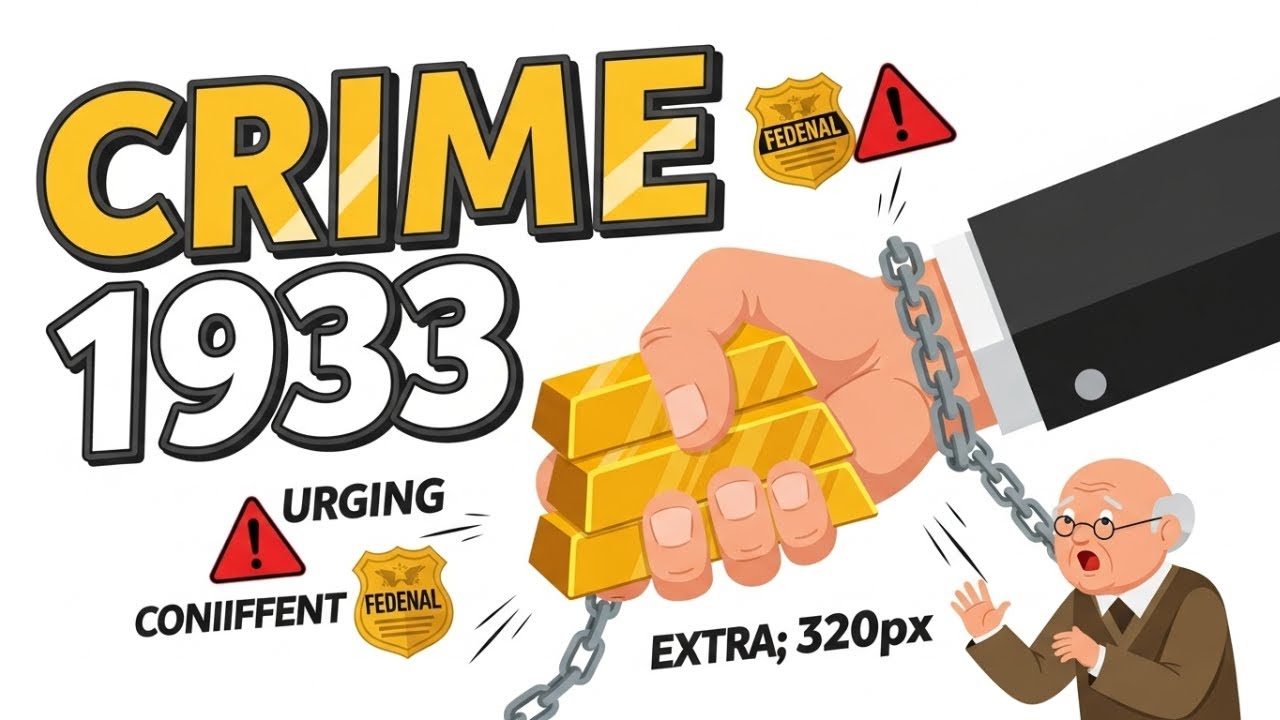
On April fifth, nineteen thirty-three, the United States government made it a federal crime for Americans to own gold. Executive Order six one zero two gave citizens twenty-six days to surrender gold coins, bars, and certificates to the Federal Reserve. Refusal meant ten years in prison and ten thousand dollar fines. This wasn't to punish criminals—it was to save a banking system that had destroyed itself.
This documentary examines the crime of nineteen thirty-three and why it matters today. Between nineteen thirty and nineteen thirty-three, over nine thousand banks failed. Millions lost their life savings. People who had converted deposits to gold retained wealth because gold couldn't be printed or multiplied through fractional reserve banking. Their gold represented purchasing power outside institutional control.
The government's solution: criminalize gold ownership. Executive Order six one zero two forced surrender at twenty dollars and sixty-seven cents per ounce. Americans turned in approximately three hundred tons—thirteen million ounces. Once collected, the government revalued gold to thirty-five dollars per ounce through the Gold Reserve Act of nineteen thirty-four. This confiscated forty percent of purchasing power from everyone who surrendered gold.
The justification: gold hoarding prevented economic recovery. But people holding gold weren't causing crisis—they were protecting themselves from fractional reserve banking collapse. The confiscation served dual purposes: providing resources for failing institutions and eliminating alternatives to fiat currency control.
The video explains why this precedent matters today. Executive Order six one zero two wasn't repealed until nineteen seventy-four. Government retained broad emergency powers to restrict or confiscate assets. These powers exist in current law: Trading with the Enemy Act and International Emergency Economic Powers Act give Presidents authority to freeze, seize, or restrict asset ownership during declared emergencies.
Current conditions create similar pressures: federal debt exceeding thirty-five trillion dollars, obligations growing faster than economic capacity, mathematical certainty debt becomes unpayable through normal means. When that point arrives, government faces the same temptation as nineteen thirty-three: transfer losses from institutions to individuals.
Modern digital infrastructure makes this easier. Wealth exists as database entries, not physical objects. Transactions flow through institutions that must comply with government orders. Government doesn't need to search houses—just send commands to financial institutions. Accounts freeze, assets become inaccessible, restrictions can be maintained indefinitely.
This series documents historical crimes against savings sequentially. Each episode builds on previous context. The next video examines nineteen seventy-one when the US severed dollar-gold connection entirely. Understanding how each crime built foundation for the next reveals why these aren't just history lessons but active threats.
SOURCES FOR RESEARCH:
Executive Order six one zero two signed April fifth nineteen thirty-three by President Franklin Roosevelt. Gold Reserve Act of nineteen thirty-four documentation. Federal Reserve records showing approximately thirteen million ounces gold surrendered. Banking failure statistics nineteen thirty to nineteen thirty-three showing over nine thousand bank failures. Gold price data showing confiscation at twenty dollars sixty-seven cents then revaluation to thirty-five dollars. Trading with the Enemy Act provisions. International Emergency Economic Powers Act text. Academic research on gold confiscation mechanisms and wealth transfer. Congressional records regarding gold ownership criminalization and justifications provided.
This is what happened in nineteen thirty-three. This is why it matters today. This is what you need to understand.
Повторяем попытку...
Доступные форматы для скачивания:
Скачать видео
-
Информация по загрузке: