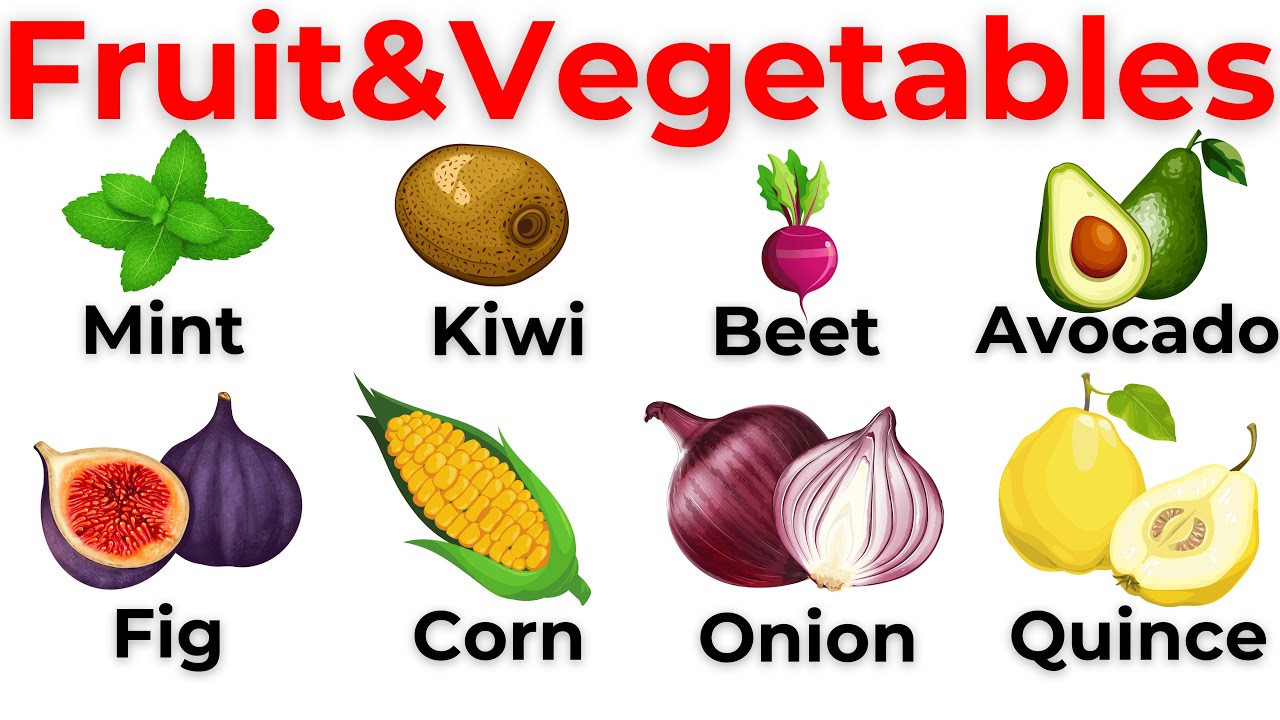
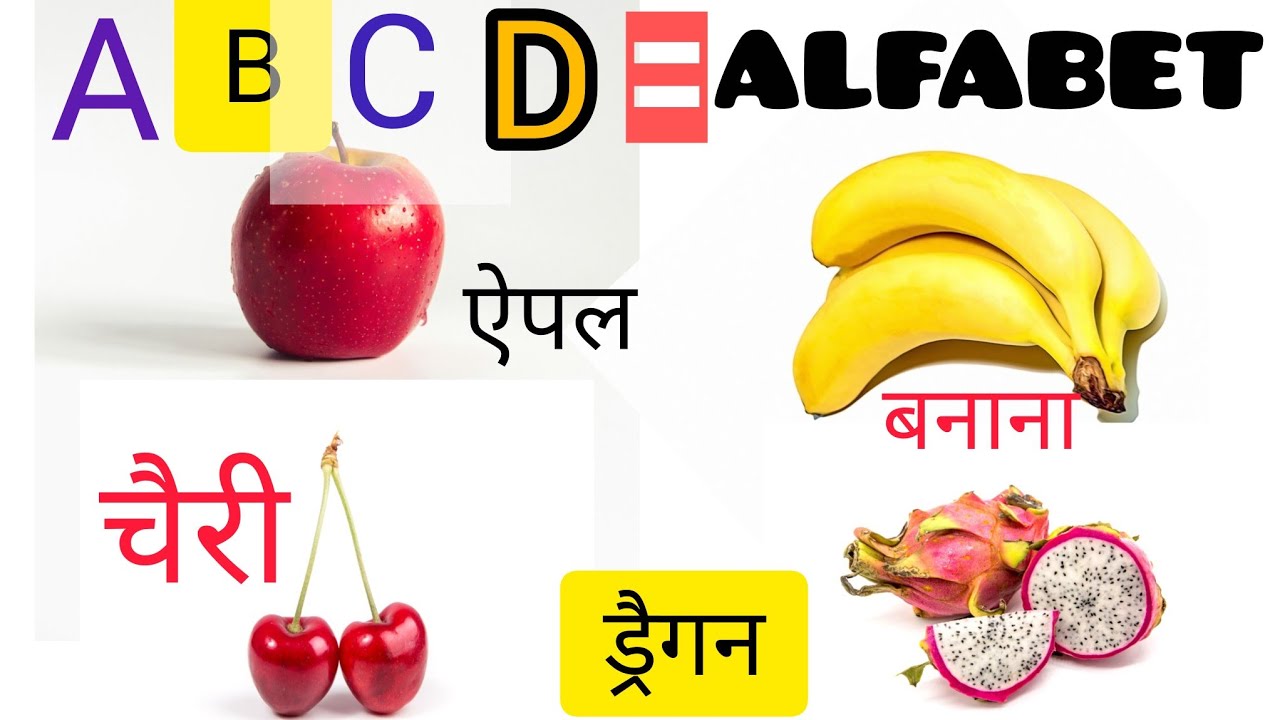
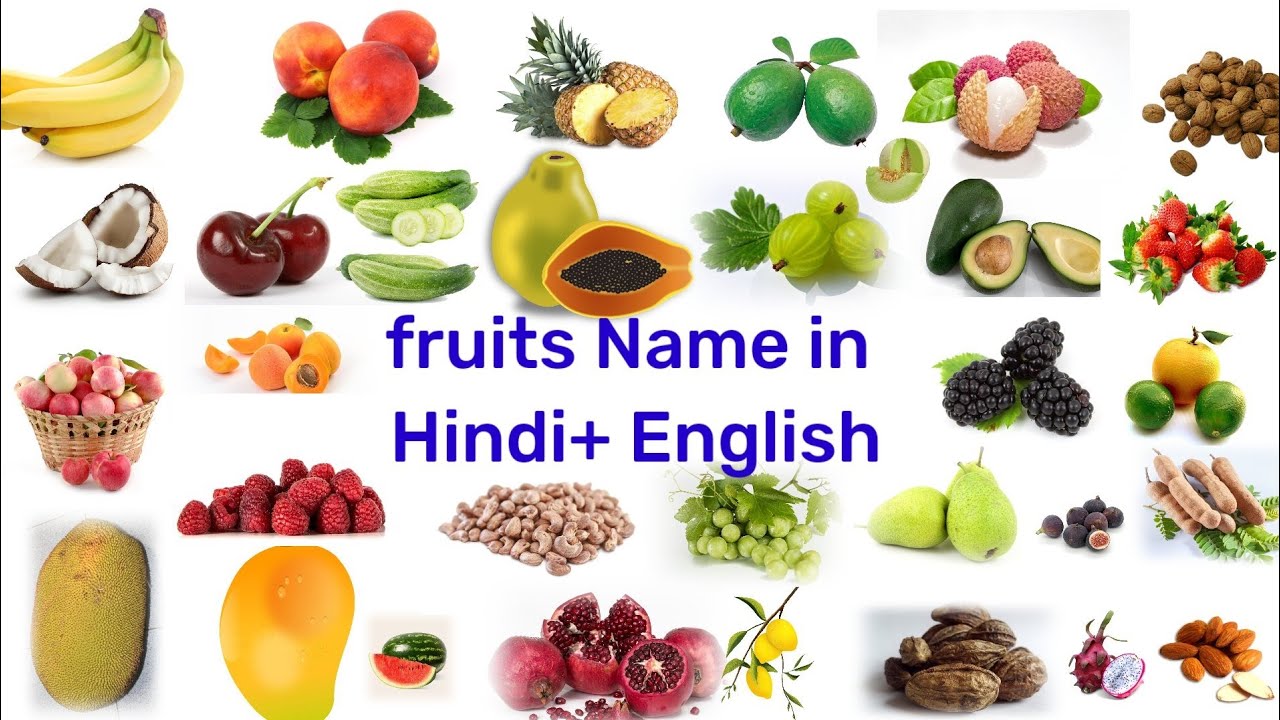
fruit names in English and Hindi with pdf/फलों के नाम हिंदी और अंग्रेजी भाषा में/ pdf ke sath/100+FN
Автор: MD sahid
Загружено: 2022-09-14
Просмотров: 3
Описание:
hello,
friends how are you
all animals name in Hindi+English
-: • All wild animals Name in Hindi and English...
-: fruits name English to Hindi
#apple
#banana
#coconut
#orang
#pineapple
#papaya
#mango
#guava
#lemon
#watermelon
#woodapple
#apricots
#almond
#avocado
#blackcurrant
BlackBerry
Blueberry, Keshu,
fruit names
Popularly, however, the term is restricted to the ripened ovaries that are sweet and either succulent or pulpy. For treatment of the cultivation of fruits, see fruit farming. For treatment of the nutrient composition and processing of fruits, see fruit processing.
Botanically, a fruit is a mature ovary and its associated parts. It usually contains seeds, which have developed from the enclosed ovule after fertilization, although development without fertilization, called parthenocarpy, is known, for example, in bananas. Fertilization induces various changes in a flower: the anthers and stigma wither, the petals drop off, and the sepals may be shed or undergo modifications; the ovary enlarges, and the ovules develop into seeds, each containing an embryo plant. The principal purpose of the fruit is the protection and dissemination of the seed. (See also seed.)
Fruits are important sources of dietary fibre, vitamins (especially vitamin C), and antioxidants. Although fresh fruits are subject to spoilage, their shelf life can be extended by refrigeration or by the removal of oxygen from their storage or packaging containers. Fruits can be processed into juices, jams, and jellies and preserved by dehydration, canning, fermentation, and pickling. Waxes, such as those from bayberries (wax myrtles), and vegetable ivory from the hard fruits of a South American palm species (Phytelephas macrocarpa) are important fruit-derived products. Various drugs come from fruits, such as morphine from the fruit of the opium poppy.
The concept of “fruit” is based on such an odd mixture of practical and theoretical considerations that it accommodates cases in which one flower gives rise to several fruits (larkspur) as well as cases in which several flowers cooperate in producing one fruit (mulberry). Pea and bean plants, exemplifying the simplest situation, show in each flower a single pistil (female structure), traditionally thought of as a megasporophyll or carpel. The carpel is believed to be the evolutionary product of an originally leaflike organ bearing ovules along its margin. This organ was somehow folded along the median line, with a meeting and coalescing of the margins of each half, the result being a miniature closed but hollow pod with one row of ovules along the suture. In many members of the rose and buttercup families, each flower contains a number of similar single-carpelled pistils, separate and distinct, which together represent what is known as an apocarpous gynoecium. In other cases, two to several carpels (still thought of as megasporophylls, although perhaps not always justifiably) are assumed to have fused to produce a single compound gynoecium (pistil), whose basal part, or ovary, may be uniloculate (with one cavity) or pluriloculate (with several compartments), depending on the method of carpel fusion.
Most fruits develop from a single pistil. A fruit resulting from the apocarpous gynoecium (several pistils) of a single flower may be referred to as an aggregate fruit. A multiple fruit represents the gynoecia of several flowers. When additional flower parts, such as the stem axis or floral tube, are retained or participate in fruit formation, as in the apple or strawberry, an accessory fruit results.
Certain plants, mostly cultivated varieties, spontaneously produce fruits in the absence of pollination and fertilization; such natural parthenocarpy leads to seedless fruits such as bananas, oranges, grapes, and cucumbers. Since 1934, seedless fruits of tomato, cucumber, peppers, holly, and others have been obtained for commercial use by administering plant growth substances, such as indoleacetic acid, indolebutyric acid, naphthalene acetic acid, and β-naphthoxyacetic acid, to the ovaries in flowers (induced parthenocarpy).
Classification systems for mature fruits take into account the number of carpels constituting the original ovary, dehiscence (opening) versus indehiscence, and dryness versus fleshiness. The properties of the ripened ovary wall, or pericarp, which may develop entirely or in part into fleshy, fibrous, or stony tissue, are important. Often three distinct pericarp layers can be identified: the outer (exocarp), the middle (mesocarp), and the inner (endocarp). All purely morphological systems (i.e., classification schemes based on structural features) are artificial. They ignore the fact that fruits can be understood only functionally and dynamically.
There are two broad categories of fruits: fleshy fruits, in which the pericarp and accessory parts develop into succulent tissues, as in eggplants, oranges, and strawb
Повторяем попытку...
Доступные форматы для скачивания:
Скачать видео
-
Информация по загрузке: