ycliper

Популярное

Музыка Кино и Анимация Автомобили Животные Спорт Путешествия Игры Юмор

Интересные видео

2025 Сериалы Трейлеры Новости Как сделать Видеоуроки Diy своими руками

Топ запросов

смотреть а4 schoolboy runaway турецкий сериал смотреть мультфильмы эдисон
Скачать

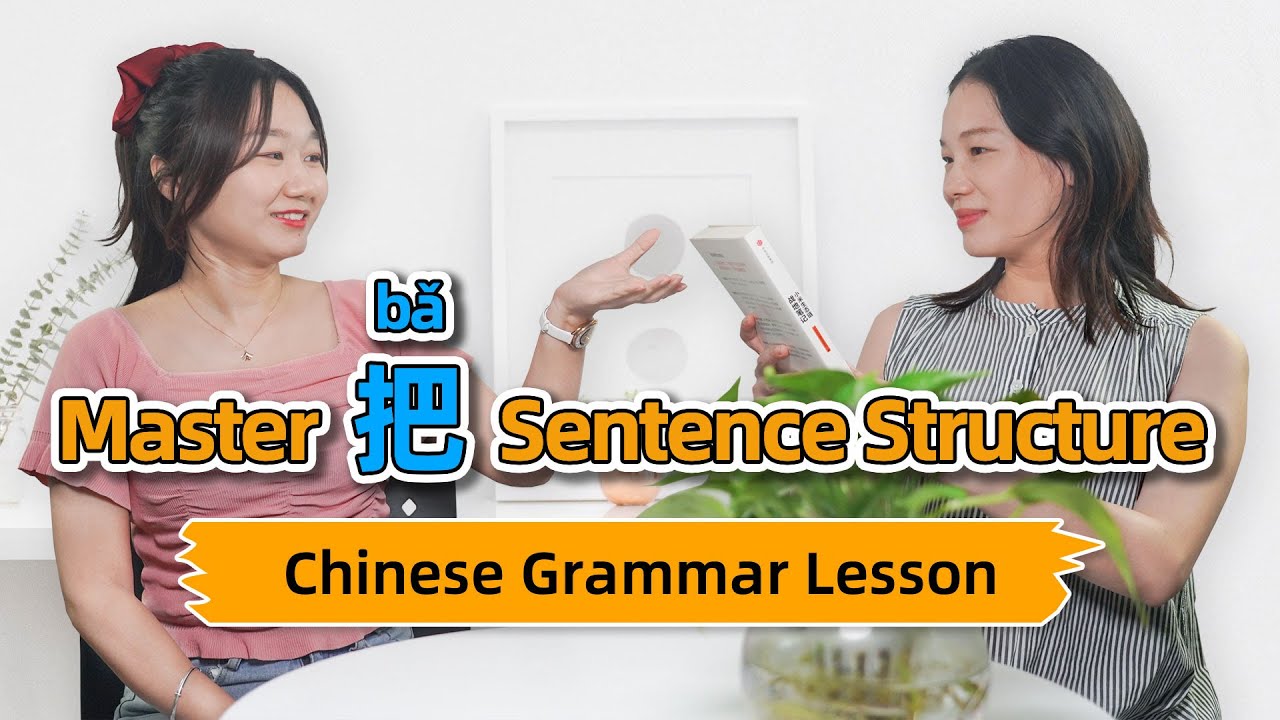
Chinese Grammar: 把(bǎ) Sentence Structure Explained (with Peppa Pig) - Learn Chinese

Автор: Everyday Chinese

Загружено: 2021-08-25

Просмотров: 33465

Описание: Chinese Grammar Lesson - Learn how to use 把 sentences in Chinese - Master 把 sentences by watching Peppa Pig《小猪佩奇》
For more Chinese courses to improve your Chinese speaking, listening & writing skills, join our premium membership to get unlimited access to 1000+ Chinese lessons, ebooks, quizzes, etc.
Join the premium membership here:
► https://bit.ly/EC-Membership
Then you can download PDF & Mp3 and take the quizzes of this lesson here:
► https://bit.ly/ba-lesson
== What can you get? ==
✔ Get unlimited access to essential Chinese courses that cover listening, speaking, reading, writing, like HSK series of courses, Chinese pronunciation, daily conversational lessons...
✔ Gain full access to future courses, practical lessons & new updates like those courses focusing on New standard HSK, Chinese grammar, Hanzi writing, graded reading texts, etc.
✔ Get all Chinese study materials like flashcards, Hanzi worksheets, PDF lesson notes, transcripts or in-depth explanations — everything we prepare for serious Chinese students.
✔ Take hundreds of self-assessment quizzes and interactive exercises, including HSK Preparation Mock Tests in real conditions.

In today's Chinese lesson, we take the clips from Peppa Pig《小猪佩奇》as examples to explain how to use 把 sentences (a.k.a 把 construction) in details and talk about when to use a 把 sentence and when not to use it.

If you like our content, please support us to produce more Chinese lessons by joining our premium membership. Thanks!
Support us here: ► https://bit.ly/ECMembership

We also offer 1-on-1 class if you like: https://www.everydaychinese.com/priva...

For more Chinese lessons to improve your Chinese speaking, listening & writing skills, visit our site: https://www.everydaychinese.com/

If you have any questions, please let us know in the comments.
● YouTube channel: https://goo.gl/H7TeQo
● WeChat Public: LearnChineseEveryDay
● TikTok:   / everydaychinesegogo_2019  
● Facebook: https://fb.me/LearnChineseinChinatown/
● Instagram:   / everydaychineseofficial  
● Twitter:   / 521chinese  

Chinese language topics:
#ChineseGrammar #LearnChinese #ChineseLessons #LearnMandarin
learn Chinese for beginners, Chinese lessons, Learn Mandarin, beginner Chinese, speak Chinese, Chinese speaking, Chinese listening, Chinese Grammar, Chinese Sentence Structure, Chinese word order, think in Chinese, 把 sentences

Не удается загрузить Youtube-плеер. Проверьте блокировку Youtube в вашей сети.
Повторяем попытку...
Chinese Grammar: 把(bǎ) Sentence Structure Explained (with Peppa Pig) - Learn Chinese

Поделиться в:

Доступные форматы для скачивания:

Скачать видео

  • Информация по загрузке:

Скачать аудио

Похожие видео

"Think" in Chinese: 想 vs 觉得 vs 以为 vs 认为 - Chinese Grammar | Learn Mandarin Chinese

0187 G ‘把’字句的用法详解:中文表达的关键语法!学不会就学不好中文!How to Use ‘Bǎ’? The Most Essential Chinese Sentence Structure

0187 G ‘把’字句的用法详解:中文表达的关键语法!学不会就学不好中文!How to Use ‘Bǎ’? The Most Essential Chinese Sentence Structure

Куда и зачем ставить 把 🐼 УЧУ КИТАЙСКИЙ ЯЗЫК ✌ Школа Динары Мин ✌

Куда и зачем ставить 把 🐼 УЧУ КИТАЙСКИЙ ЯЗЫК ✌ Школа Динары Мин ✌

Chinese Grammar: 着(zhe) vs 了(le) vs 过(guo) Explained - Learn Chinese

Chinese Grammar: 着(zhe) vs 了(le) vs 过(guo) Explained - Learn Chinese

Making Comparisons in Mandarin: 比, 最, 没有, 更, 一样, 差不多 - Chinese Grammar

Making Comparisons in Mandarin: 比, 最, 没有, 更, 一样, 差不多 - Chinese Grammar

Chinese Mandarine Grammar for Beginners #17 | 初级汉语语法 | verb “把...” structure

Chinese Mandarine Grammar for Beginners #17 | 初级汉语语法 | verb “把...” structure

Как китайцы изучают китайские иероглифы?

Как китайцы изучают китайские иероглифы?

Learn Chinese for beginners: Chinese Fruit Vocabulary - Easy Chinese Lesson

Learn Chinese for beginners: Chinese Fruit Vocabulary - Easy Chinese Lesson

Используйте структуру 把 (ba) для акцентирования глагола - Упрощённая китайская грамматика 203

Используйте структуру 把 (ba) для акцентирования глагола - Упрощённая китайская грамматика 203

Китайский язык? Сейчас объясню!

Китайский язык? Сейчас объясню!

“CAN” in Chinese: 会 vs. 能 vs. 可以 – Day 35: 我能问你一个问题吗?| Learn Chinese for Beginners

“CAN” in Chinese: 会 vs. 能 vs. 可以 – Day 35: 我能问你一个问题吗?| Learn Chinese for Beginners

Chinese Mandarin| How to Interchange “把” and “被” in Mandarin

Chinese Mandarin| How to Interchange “把” and “被” in Mandarin

de's (的,地,得) as

de's (的,地,得) as "structural particles" - Chinese Grammar Simplified 301

40 Common Chinese Opposite Words You Need to Know - Chinese Vocabulary

40 Common Chinese Opposite Words You Need to Know - Chinese Vocabulary

Почему японцы до сих пор пишут иероглифами? История японской письменности

Почему японцы до сих пор пишут иероглифами? История японской письменности

Произношение режет ухо: что выдает в вашем акценте русского | Нескучный английский

Произношение режет ухо: что выдает в вашем акценте русского | Нескучный английский

Chinese Listening Practice for Beginners - HSK 1 Listening Comprehension

Chinese Listening Practice for Beginners - HSK 1 Listening Comprehension

Street Chinese Conversations: How to learn a second language (Mandarin, English) 🎄🎅 | Learn Chinese

Street Chinese Conversations: How to learn a second language (Mandarin, English) 🎄🎅 | Learn Chinese

15 “把”字句The “ba”sentence

15 “把”字句The “ba”sentence

100 Action Verbs in Chinese | Daily Life Chinese Vocabulary | Learn Chinese for Beginners

100 Action Verbs in Chinese | Daily Life Chinese Vocabulary | Learn Chinese for Beginners

© 2025 ycliper. Все права защищены.


  • Контакты
  • О нас
  • Политика конфиденциальности


Контакты для правообладателей: [email protected]