Do Small Habitat Fragments Save Birds? | Fynbos Conservation Science
Автор: Simbavati Guide & Tracker Training
Загружено: 2026-02-05
Просмотров: 12
Описание:
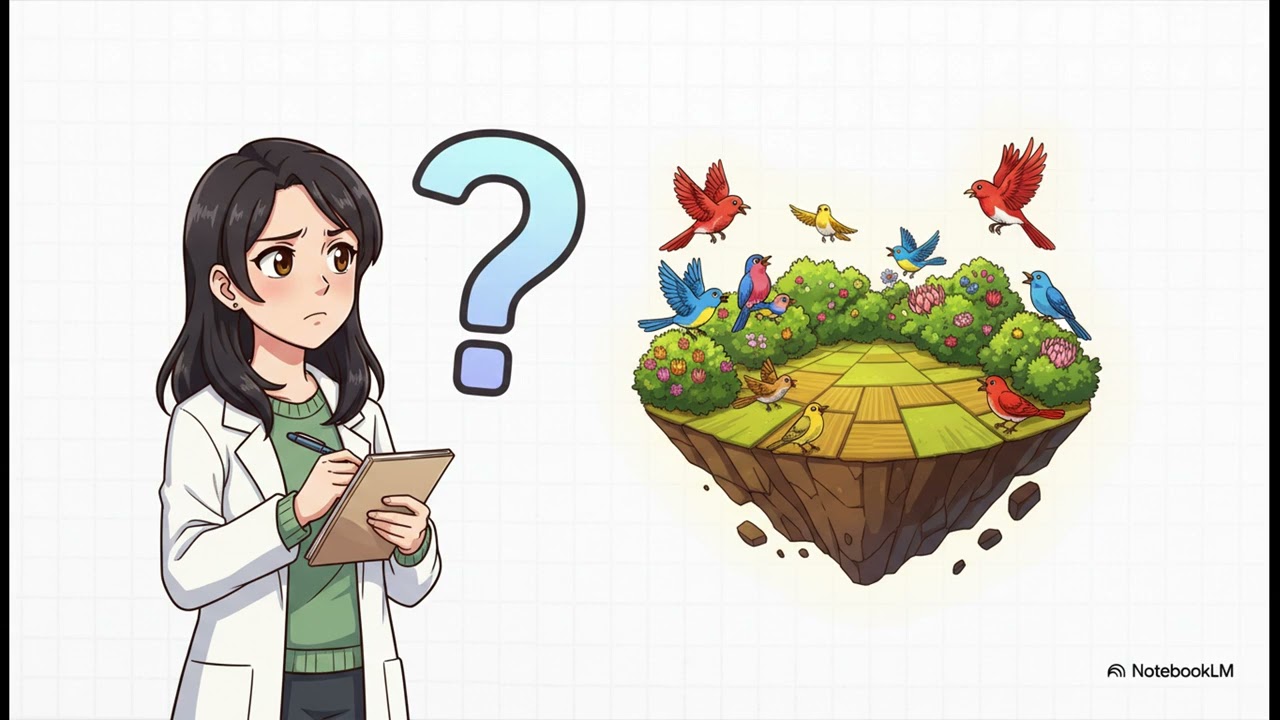
In this video, we explore fascinating research on how birds survive in the fragmented landscapes of the South Outeniqua Sandstone Fynbos in South Africa. Based on a study by Sandberg, Allsopp, and Esler, we investigate whether small, isolated patches of vegetation are dead ends for biodiversity or vital lifelines for avian species.
Key Topics Covered in This Video:
• The Experiment: Researchers compared three distinct habitat configurations: extensive "mainland" areas, "natural islands" (isolated by indigenous forest for millennia), and "artificial fragments" created by human land use (forestry and farming) over the last 150 years.
• Surprising Resilience: Unlike plants, which showed a decline in species numbers as habitat size decreased, birds in artificial fragments did not follow this expected "species-area" pattern. In fact, these human-made fragments often hosted higher bird diversity than expected, likely due to generalist species entering from surrounding farmlands.
• Stepping-Stones & Connectivity: The study reveals that these fragments act as crucial "stepping-stone" habitats, allowing birds to migrate locally through the landscape. Most migratory groups were unaffected by isolation distances of less than 10 km.
• The Importance of Fire Management: The age of the vegetation matters. Nectarivores (nectar-feeding birds) were found to be twice as likely to occur in old-growth fynbos (unburnt for over 20 years) compared to recently burnt areas. Conversely, granivores (seed-eaters) were often overrepresented in artificial fragments, likely feeding on crops in the surrounding agricultural matrix.
• Missing Species: Despite the positive findings, the endemic Cape Sugarbird was notably absent from smaller fragments, suggesting they require specific resources (like abundant Proteaceae) that small patches may lack.
Conclusion: Artificial fynbos fragments are valuable resource refugia that should be actively conserved. To support biodiversity, management must balance fire regimes to ensure some patches remain old enough to support nectar-producing plants for specialist bird species.
Slidedeck: https://tr.ee/r-5ulCDgGn
Reference: Sandberg, R.N., Allsopp, N. & Esler, K.J., 2016, 'The use of fynbos fragments by birds: Stepping-stone habitats and resource refugia', Koedoe 58(1), a1321.
Повторяем попытку...
Доступные форматы для скачивания:
Скачать видео
-
Информация по загрузке: