1903 AND 1903A3 US WW1 AND WW2 WORK HORSE
Автор: tac N track
Загружено: 2022-02-11
Просмотров: 692
Описание:
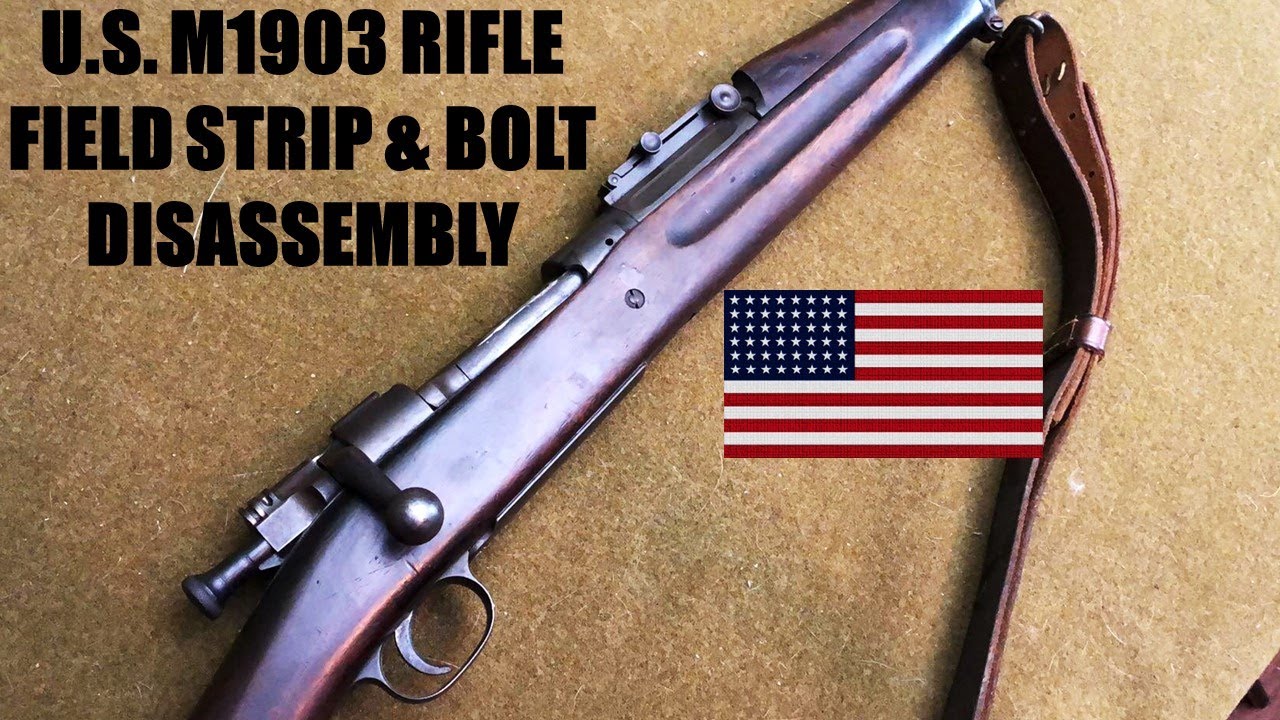
Today, we’re diving into the iconic M1903 and its variants, the M1903A3 and M1903A4, as part of our ongoing WW2 segment. If you’ve been following our series on historical firearms, you’ll know we’re gearing up for a WW2 shoot-off, and these rifles play a crucial role.
Historical Context
Let’s rewind to 1898 during the Spanish-American War. U.S. forces encountered the Spanish Mauser 1893, which was highly regarded. This led the U.S. Ordnance Department to search for a modern rifle, resulting in the adoption of the M1903. The government ended up paying Mauser for various patents, leading to the development of a rifle that would become a cornerstone of American military history.
M1903 Overview
Weight: 8.7 pounds
Barrel Length: 24 inches
Overall Length: 43.2 inches
Caliber: .30-06 Springfield
The M1903 was a versatile solution for the U.S. Army, effectively serving multiple roles. However, production shortages meant that many soldiers were issued the M1917 Enfield instead.
Design Features
Bolt and Action
The M1903 features a bent bolt handle that cocks the firing pin upon opening, aiding in the extraction of spent cartridges. This design allows it to handle higher power loads, propelling bullets at approximately 2,700 ft/s and delivering around 4,000 joules of energy—significantly more than a modern 9mm.
Safety and Sights
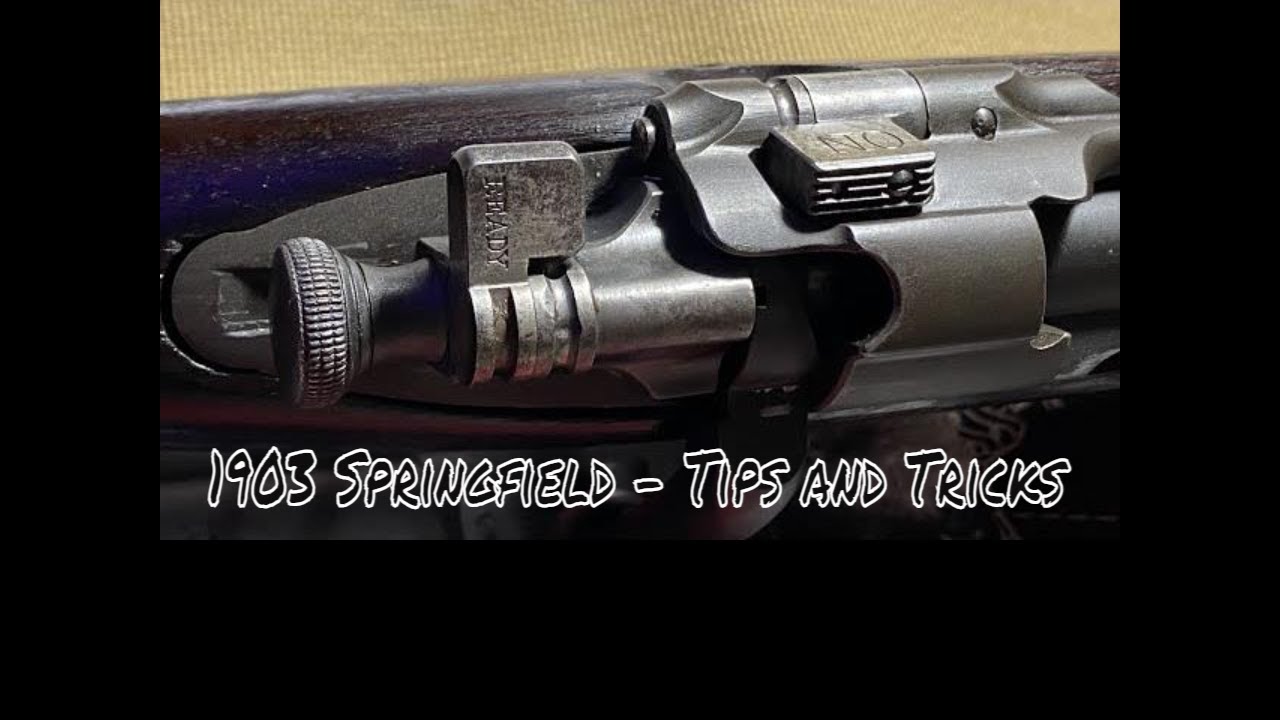
The rifle includes a two-position safety, with settings for “safe” and “fire.”
One of the standout features is the rear sight. It has an adjustable wheel for windage and elevation, along with a notch for close-range engagements that pops up for extended range use. This sighting system is incredibly advanced for its time and remains one of the best ever put on a service rifle.
Magazine and Cut-off
The M1903 has a flush-fit internal magazine with a magazine cut-off switch, allowing the shooter to choose whether to load rounds directly from the magazine or to keep the magazine loaded while firing single rounds.
Challenges and Legacy
Despite its strengths, the M1903 faced issues, particularly in production quality. Many early models had brittle receivers due to improper heat treatment. Today, it’s generally advised not to fire M1903s with serial numbers below 850,000 from Springfield or below 285,507 from Rock Island due to these concerns. Nonetheless, these rifles were used extensively throughout WW1 and into WW2, proving their reliability and effectiveness.
Conclusion
The M1903 and its variants are remarkable examples of military engineering, offering insights into the evolution of firearm design. As we prepare for our WW2 shoot-off, stay tuned for more in-depth looks at these historic rifles and others.
0:00 intro
1:36 cuba and the kreg and patents
3.55 m1903 overview
7:36 m1903 sights
12:45 action and bolt
15:26 magazine and mag cutoff
20:00 this m1903
23:24 inter-war
25:00 m1903a3 overview and design
27:17 this smith-corana 6 grove m1903a3
29:40 sniper 1903s
Повторяем попытку...

Доступные форматы для скачивания:
Скачать видео
-
Информация по загрузке: