Common Sandpiper Bird Call
Автор: Bird Sounds
Загружено: 2023-11-26
Просмотров: 2390
Описание:
The Common Sandpiper (Actitis hypoleucos) is a small shorebird with a global distribution. These petite birds are known for their long migrations, spanning across continents and oceans. Their diminutive size, coupled with their remarkable endurance, makes them a fascinating example of the natural world's resilience and adaptability.
Physical Description
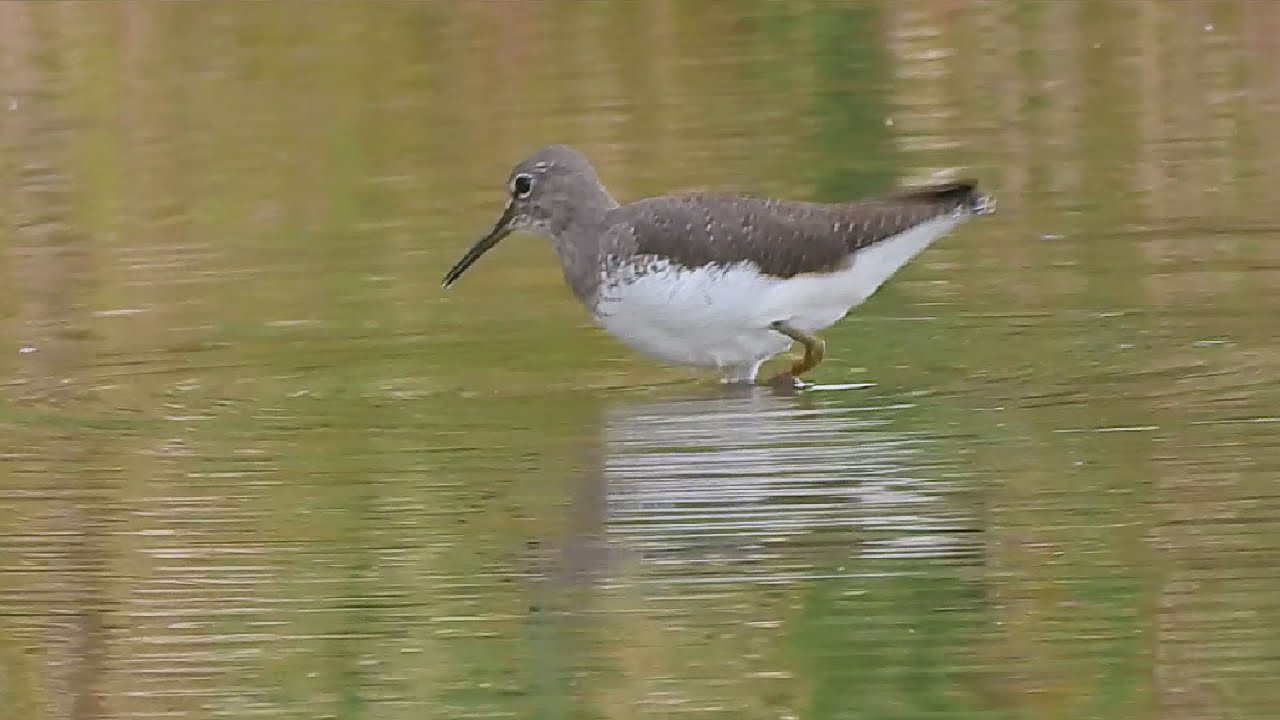
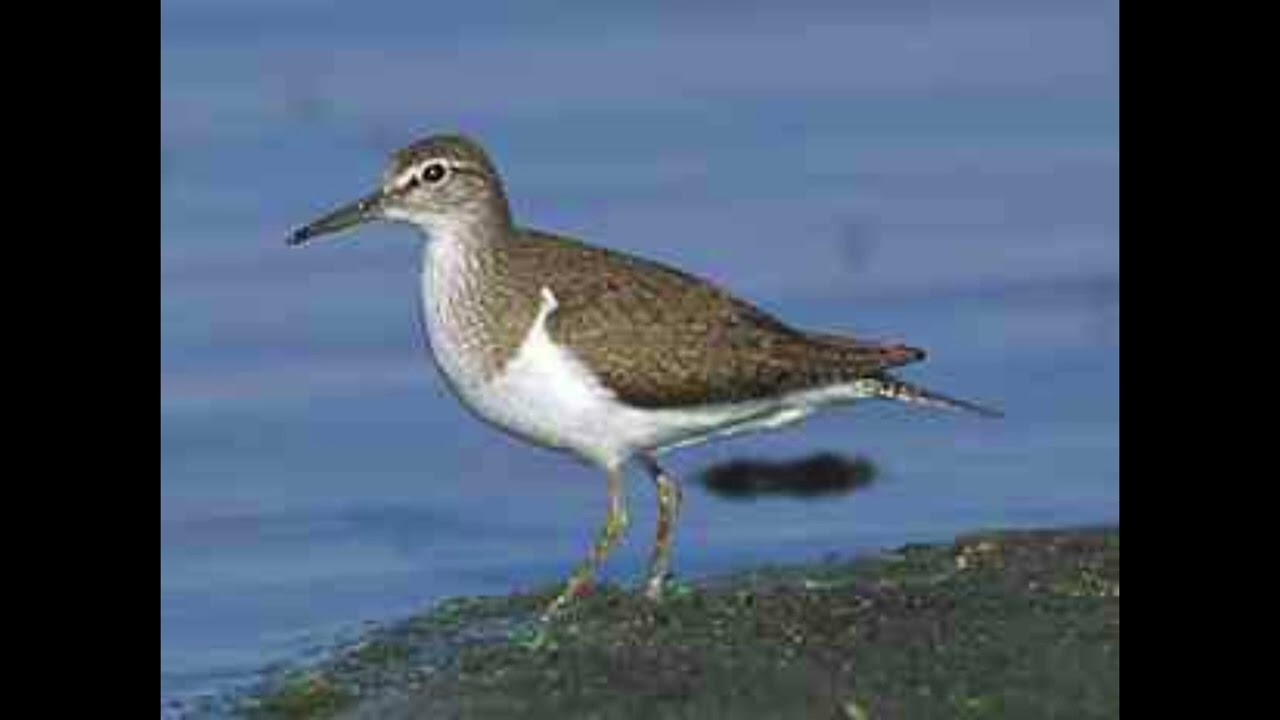
Common Sandpipers are aptly named for their small size, measuring approximately 19–22 cm (7.5–8.7 in) in length with a wingspan of 38–41 cm (15–16 in). Their plumage is a subtle blend of browns and grays, with a distinctive white rump and a white stripe above the eye. They have a long, slender bill, adapted for probing mudflats and shallow waters for food.
Habitat and Distribution
Common Sandpipers are found worldwide, inhabiting a variety of freshwater and coastal habitats. They prefer open areas with mudflats, sandbars, and shallow waters, often found along rivers, streams, lakes, and coastal shores. Their distribution spans across Europe, Asia, Africa, North America, and South America, demonstrating their remarkable adaptability to diverse environments.
Diet
Common Sandpipers are opportunistic feeders, consuming a wide range of invertebrates, including worms, insects, crustaceans, and mollusks. Their long, slender bills allow them to probe the mudflats and shallow waters, extracting their prey with precision and speed.
Behavior
Common Sandpipers are active and alert birds, constantly foraging and moving along the shoreline. They often bob their tails as they move, a characteristic behavior that helps them maintain balance and focus on their surroundings. They are also quite vocal, emitting a variety of calls, including a distinctive "cheep-cheep" sound.
Breeding
Common Sandpipers are monogamous, forming pairs for a single breeding season. The breeding season typically occurs in the spring or summer, depending on the region. Females lay 4-5 eggs in a shallow scrape on the ground, often hidden near vegetation or under rocks. The eggs are incubated by both parents for about 23-25 days. The young chicks are precocial, meaning they can walk and feed themselves shortly after hatching. They are still cared for by their parents for several weeks.
Migration
Common Sandpipers are long-distance migrants, undertaking incredible journeys between their breeding and wintering grounds. Some populations migrate thousands of kilometers, traveling across continents and oceans. Their migration patterns are influenced by food availability and weather conditions, with birds adjusting their routes to maximize their chances of survival.
Conservation
Common Sandpiper populations are generally stable, but they face threats from habitat loss, pollution, and disturbance. Conservation efforts, including habitat protection, pollution control, and public awareness campaigns, are crucial in ensuring their continued survival.
Cultural Significance
Common Sandpipers have held cultural significance in various societies throughout history. In some cultures, they are seen as symbols of travel and exploration, while others associate them with resilience and perseverance. Their long-distance migrations and delicate beauty have inspired poets, artists, and writers.
Conclusion
The Common Sandpiper is a remarkable shorebird that exemplifies the interconnectedness of the natural world. Their small size belies their remarkable resilience, as they undertake long-distance migrations across continents and oceans. Their ability to thrive in diverse habitats and adapt to changing conditions demonstrates the adaptability of life on Earth. As we continue to learn more about these fascinating birds, we gain a deeper appreciation for the delicate balance of ecosystems and the importance of protecting the planet's natural wonders.
Here are some additional facts about Common Sandpipers:
Common Sandpipers can fly up to 5,000 kilometers (3,100 miles) per day during migration.
Common Sandpipers can live up to 12 years in the wild.
Common Sandpipers play an important role in controlling insect populations and maintaining the balance of the food chain.
Повторяем попытку...
Доступные форматы для скачивания:
Скачать видео
-
Информация по загрузке: