Day 44 Meiji Shrine & Imperial Palace, Tokyo 26 February 2026
Автор: Sheila Forde
Загружено: 2026-02-26
Просмотров: 21
Описание:
Tokyo Awakens - Cold Air, Crowded Stations, and a Walk Through Japan’s Spiritual Heart
After yesterday’s marathon of travel, I woke surprisingly refreshed. Even with the 3½‑hour time difference, my body seemed to cooperate. I met Rika at 8 am, and we walked about ten minutes to board the yellow Hato sightseeing bus for a city tour.
The cold air was a shock after six weeks of tropical heat, but I was prepared. Thankfully, it wasn’t raining, just breezy enough to make the temperature feel sharper than it really was.
Our first stop was Shinjuku, where we picked up more passengers. I knew Shinjuku was busy, but I hadn’t realised it held the Guinness World Record for the busiest railway station on Earth.
It handles 3.5–3.8 million passengers every single day, with 36 platforms, 200+ exits, department stores, malls, and restaurants woven directly into the station
Tokyo Station had already overwhelmed me last night, but Shinjuku is on an entirely different scale.
I don’t remember much from my visits decades ago except the nightlife, but the area has transformed dramatically. Shinjuku today has two distinct personalities:
East Side with neon lights, nightlife, entertainment
West Side comprising skyscrapers, government buildings, business district
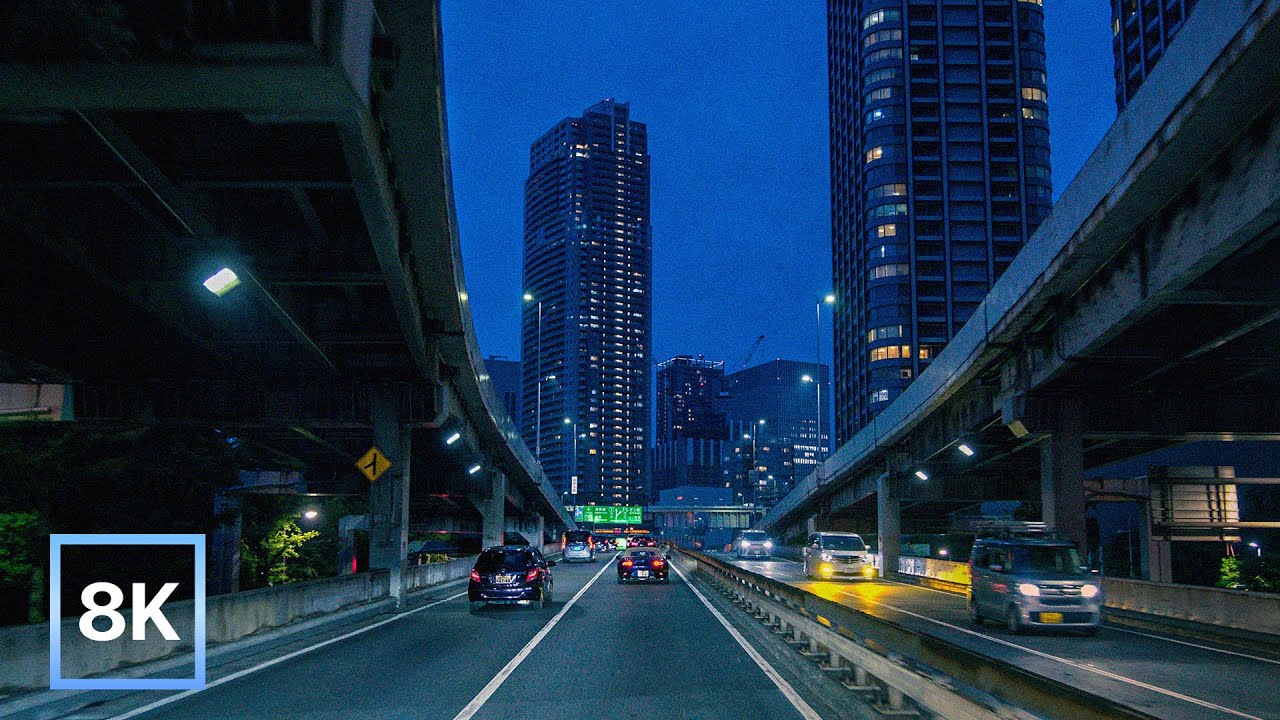
As the bus drove through, I saw the forest of modern towers that define the skyline. The area is still undergoing major redevelopment. Tokyo never stops reinventing itself.
Our first major stop was Meiji Shrine (Meiji Jingū), a serene oasis dedicated to Emperor Meiji and Empress Shōken, the leaders who guided Japan’s transformation into a modern nation.
We entered through a towering torii gate, stepping from the city into a quiet forest. The shrine grounds cover 70 hectares (170 acres) - astonishing when you realise the entire forest was planted just over a century ago from 120,000 donated trees.
The shrine complex has two main areas:
Inner Precinct - the main hall, offering hall, and treasure museum
Outer Precinct - sports facilities and the Meiji Memorial Picture Gallery
Walking the gravel path felt peaceful and grounding, a gentle introduction to Tokyo’s spiritual side.
Meiji Shrine is rooted in Shinto, Japan’s indigenous belief system. Shinto isn’t a religion in the Western sense as it has no founder, no sacred scripture and no single supreme god.
Instead, it centres on kami, sacred spirits found in nature, ancestors, and extraordinary people. Mountains, waterfalls, ancient trees, wind, and even emperors can be kami.
Shinto practice emphasises:
Purification - washing hands and rinsing the mouth at the temizuya
Harmony with nature - shrines are often in forests
Celebration of life - festivals, blessings, and rituals
Respect for ancestors
In daily life, Shinto and Buddhism coexist seamlessly. Shinto celebrates beginnings (births, weddings), while Buddhism guides the afterlife (funerals). Most Japanese people participate in both without conflict.
Our next stop was the Imperial Palace, home of Emperor Naruhito, Empress Masako, and their daughter, Princess Aiko. The palace stands on the former site of Edo Castle, once the seat of the Tokugawa shoguns who ruled Japan for over 260 years.
The palace is the residence of the Imperial Family and is built on the historic grounds of Edo Castle. The inner grounds are closed to the public except on January 2 and the Emperor’s Birthday (Feb 23). The iconic Nijūbashi Bridge marks the entrance to the inner palace
The current palace buildings were completed in 1968, replacing structures destroyed during WWII.
Emperor Naruhito (born 1960) is scholarly, gentle, and passionate about water conservation. He studied at Oxford, researching the history of the Thames. Empress Masako, a former diplomat and Harvard/Oxford graduate, stepped back from public life due to intense pressure and later returned gradually. Princess Aiko (born 2001) recently graduated from Gakushuin University and now works at the Japanese Red Cross Society. Under current law, she cannot ascend the throne as only males can inherit.
The palace grounds are maintained by a staff of around 1,000, not for personal service but to manage the 300-acre estate, historic buildings, ceremonies, administration, and security.
Standing outside the moat, looking at the bridges and stone walls, I felt the weight of centuries layered beneath modern Tokyo.
Повторяем попытку...

Доступные форматы для скачивания:
Скачать видео
-
Информация по загрузке: