Earthquake Causes and Effects | SGK
Автор: SGK English
Загружено: 2023-02-07
Просмотров: 192
Описание:
SGK English
An earthquake is a sudden and rapid shaking of the earth's surface caused by the movement of tectonic plates. Earthquakes can be extremely dangerous, causing widespread damage and loss of life. In this article, we will discuss the causes of earthquakes, their effects, and the measures we can take to mitigate their impact.
Causes of Earthquakes
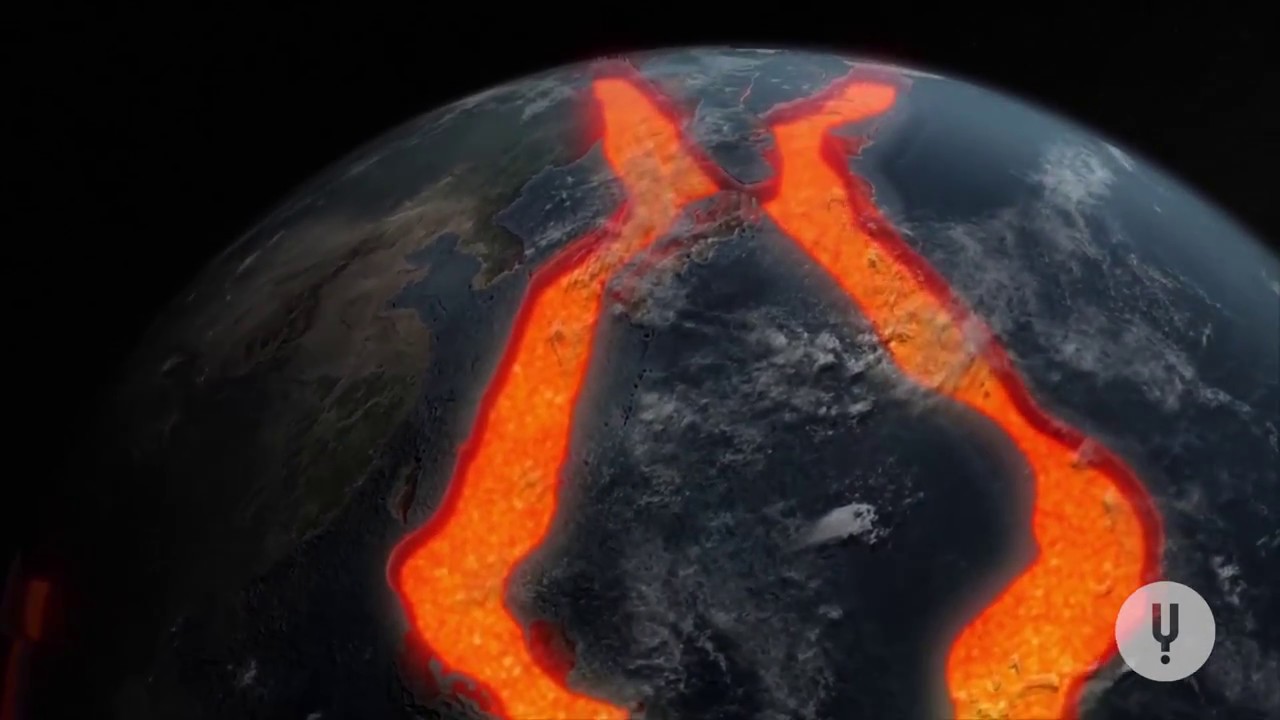
The Earth's crust is made up of a series of plates that float on top of the mantle. These plates move slowly over time, driven by convection currents in the mantle. When two plates collide or slide past each other, they can create seismic waves that cause the ground to shake.
There are several different types of faults that can cause earthquakes. The most common type is a transform fault, where two plates slide past each other horizontally. These faults are responsible for the majority of earthquakes in California and other parts of the world.
Another type of fault is a thrust fault, where one plate is pushed over the top of another. This type of fault is responsible for some of the most powerful earthquakes in history, including the 2011 earthquake in Japan.
Effects of Earthquakes
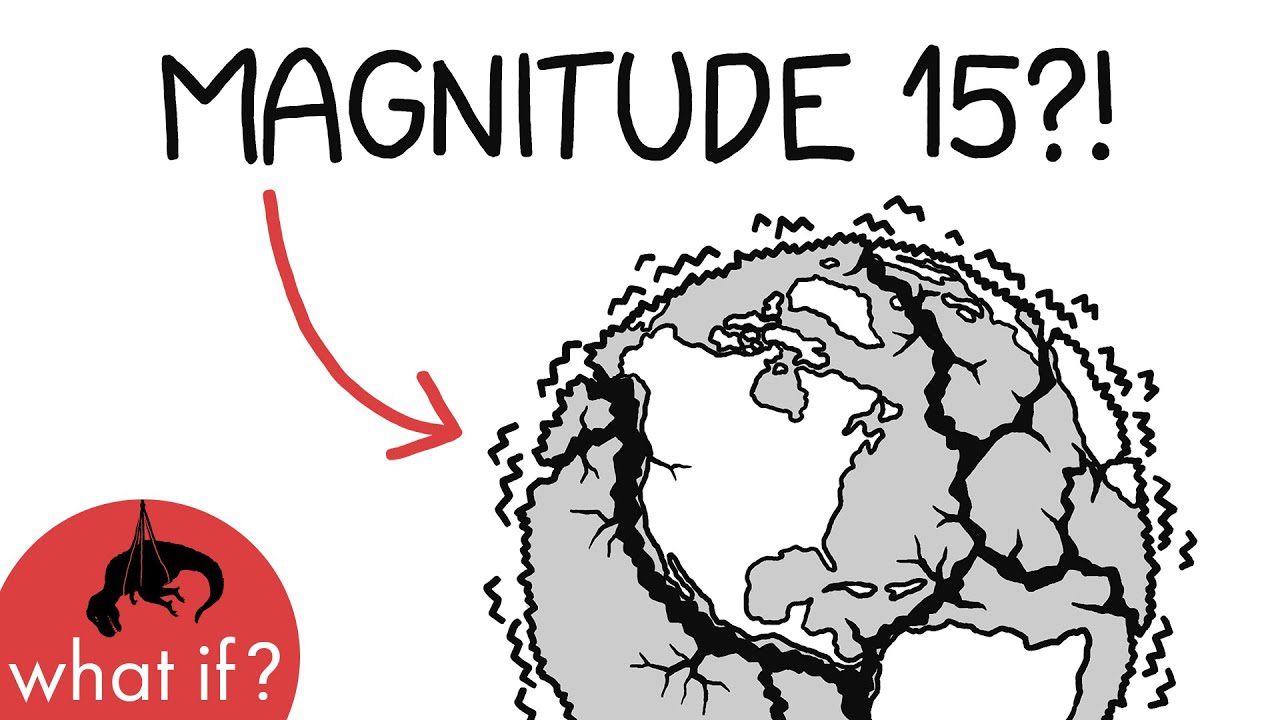
Earthquakes can have a wide range of effects, from minor shaking to widespread destruction. The intensity of an earthquake is measured on the Richter scale, which ranges from 1 to 10. A 1.0 magnitude earthquake is barely noticeable, while a 10.0 magnitude earthquake would be catastrophic, with the potential to cause widespread damage and loss of life.
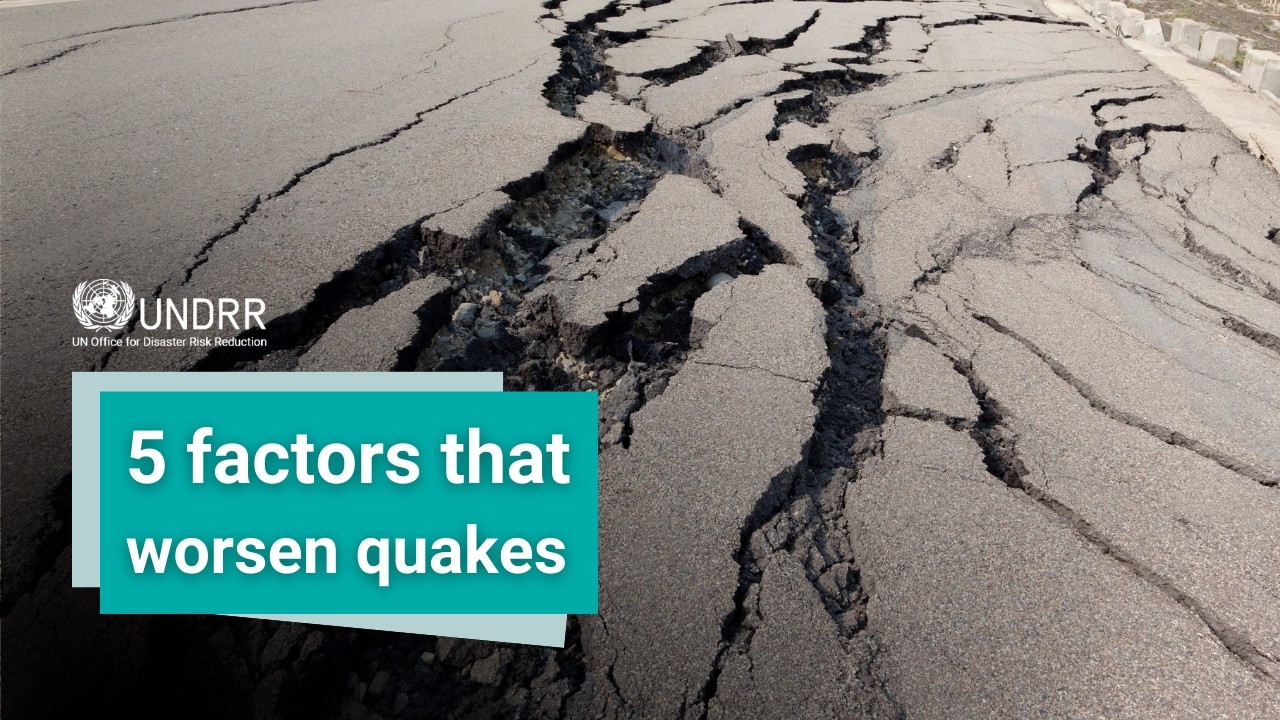
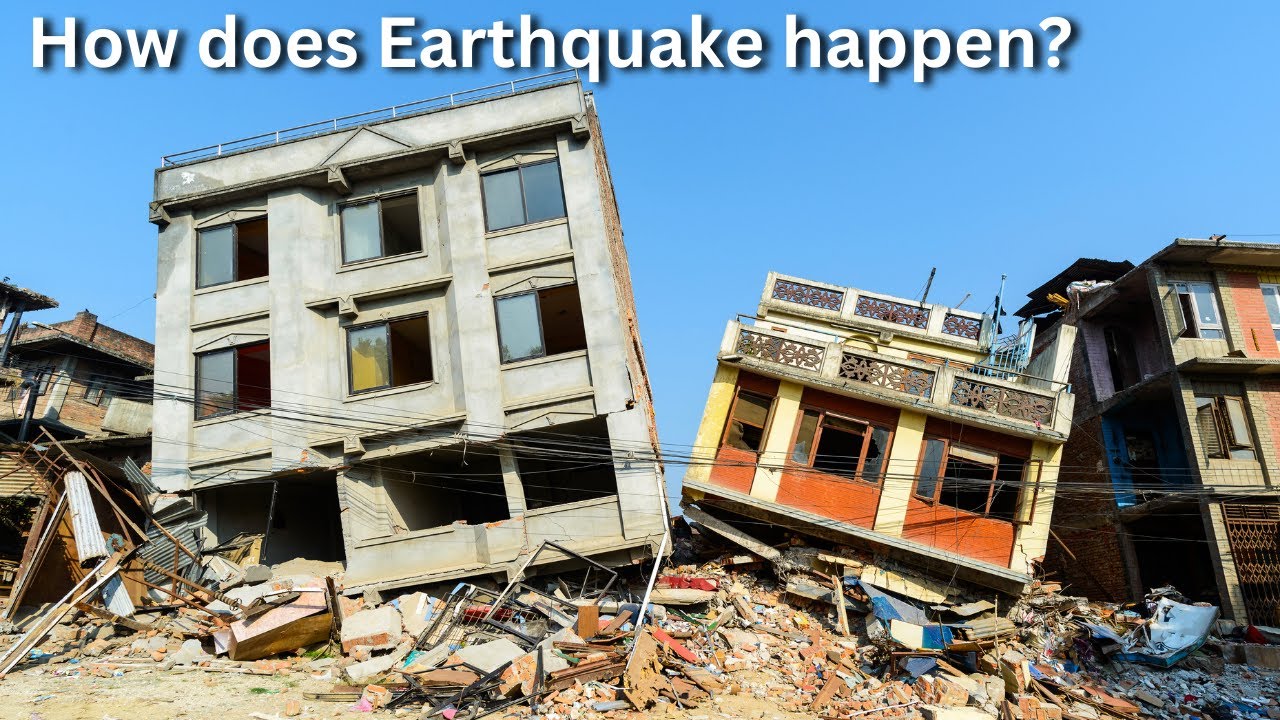
The effects of an earthquake depend on a number of factors, including the magnitude of the quake, the distance from the epicenter, and the local geography. In densely populated areas, earthquakes can cause buildings to collapse, bridges to fail, and roads to become impassable. They can also cause landslides, tsunamis, and other secondary effects that can further compound the damage.
Mitigating the Impact of Earthquakes
There are several measures we can take to mitigate the impact of earthquakes. One of the most important is to design buildings and other structures to be earthquake-resistant. This involves using materials and techniques that can withstand the shaking and movement caused by seismic waves.
Another important measure is to develop early warning systems that can alert people to an impending earthquake. These systems use sensors and other technology to detect seismic activity and provide advance warning, giving people time to evacuate or take other protective measures.
In addition to these measures, it is also important to have effective emergency response plans in place. This includes having trained personnel and adequate resources to respond to a disaster, as well as providing education and outreach to the public to help them prepare for earthquakes and other natural disasters.
Conclusion
Earthquakes are a natural phenomenon that can have a significant impact on our lives and our environment. While we may not be able to prevent earthquakes from occurring, we can take steps to mitigate their impact and protect ourselves and our communities. By designing earthquake-resistant structures, developing early warning systems, and having effective emergency response plans in place, we can reduce the damage caused by earthquakes and help keep people safe.
Повторяем попытку...
Доступные форматы для скачивания:
Скачать видео
-
Информация по загрузке: