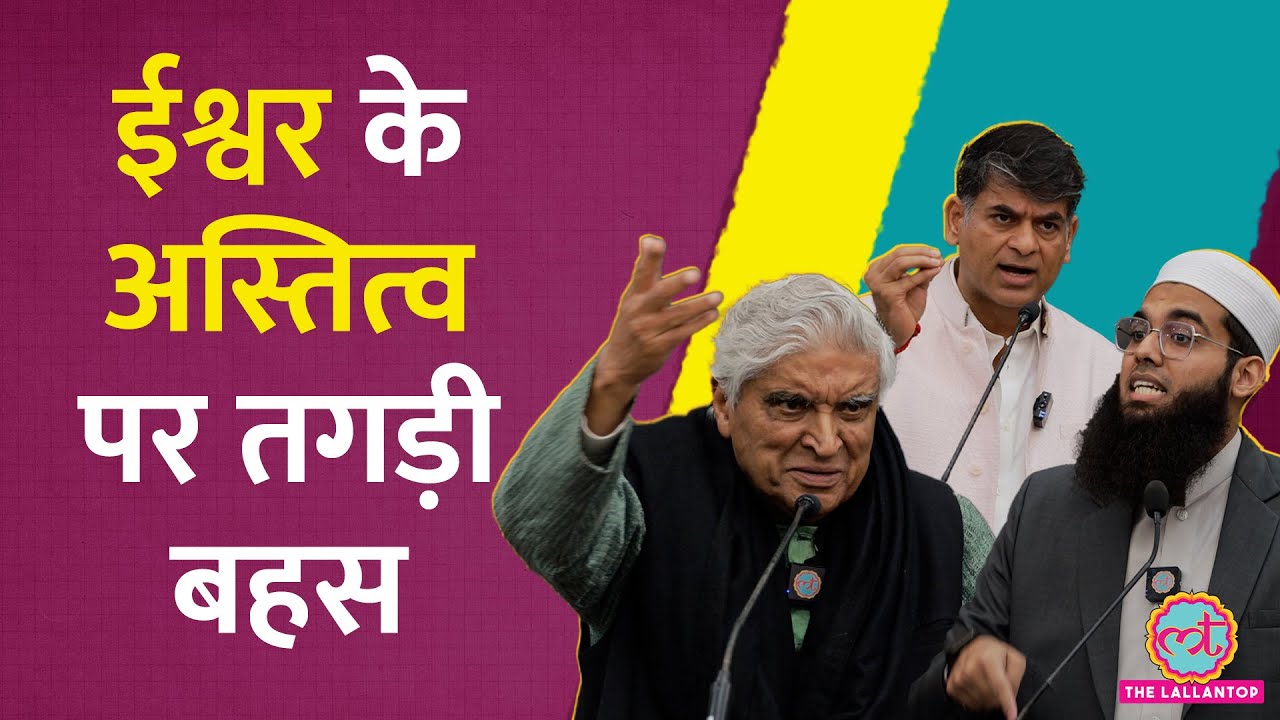
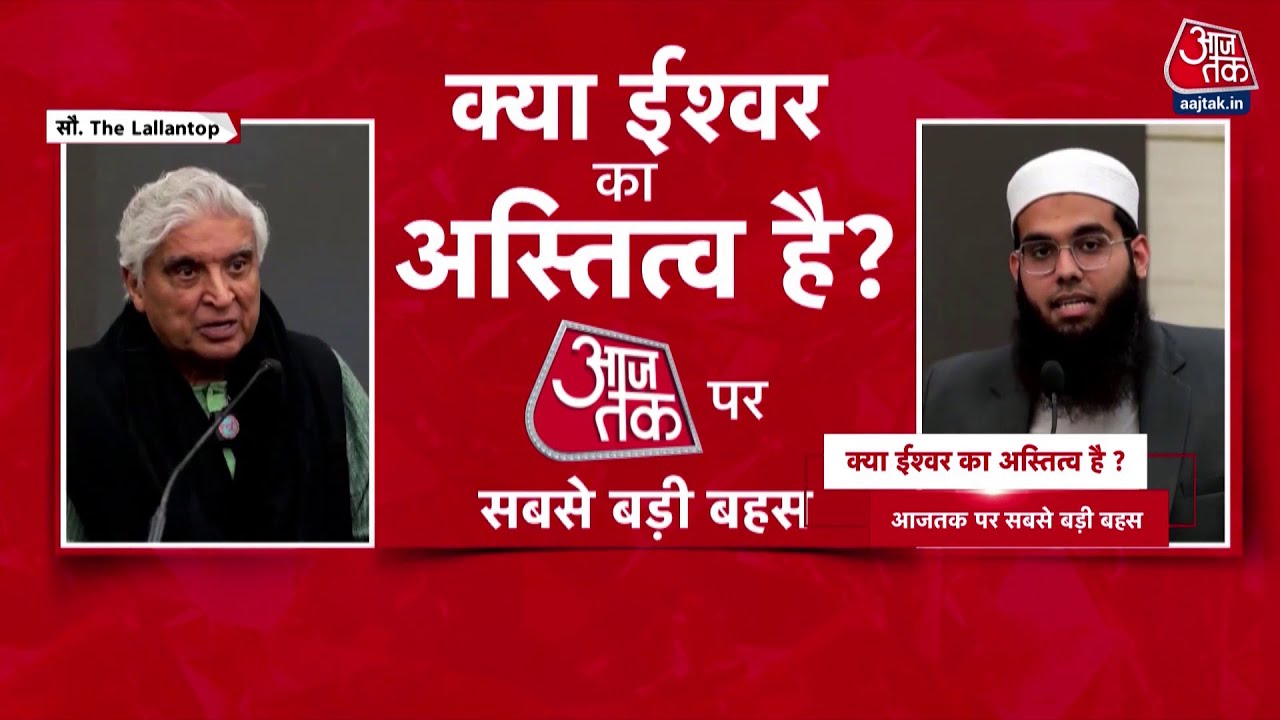
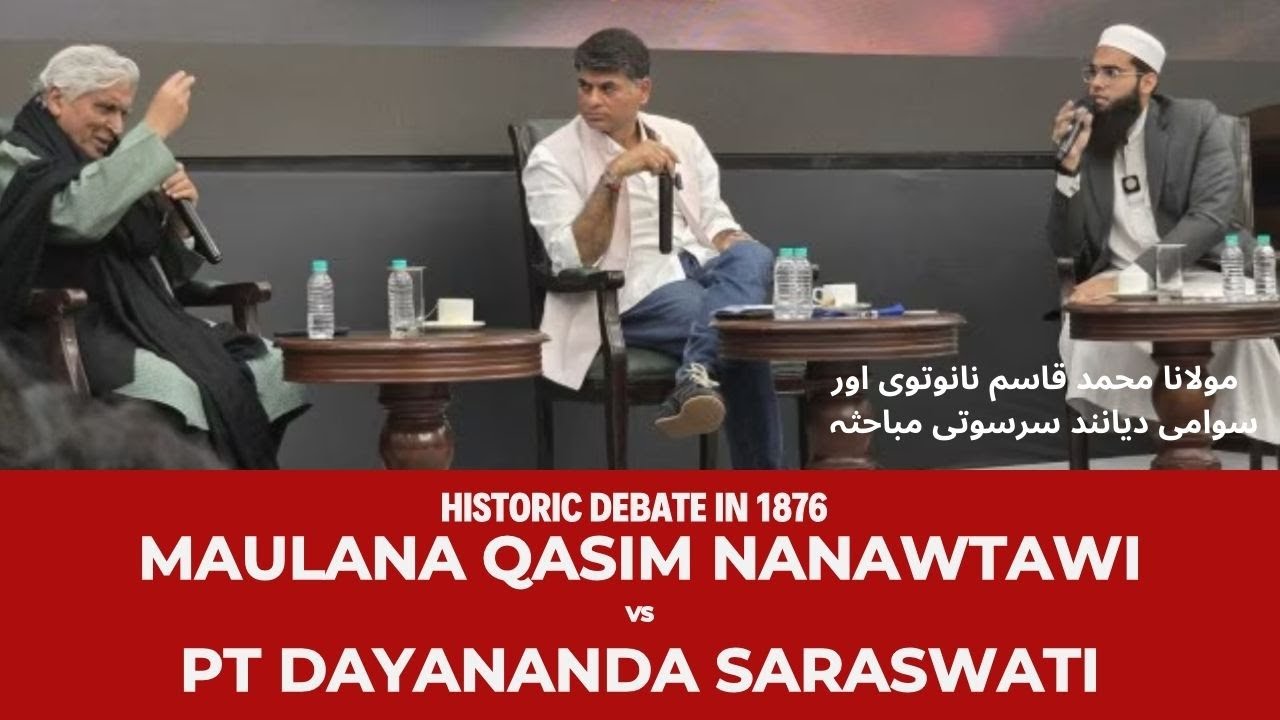
Mufti Shamail vs Javed Akhtar: Maulana Rahmatullah Kairanvi vs Karl Pfander Debate Of 1854 Forgotten
Автор: History by Syed Ubaidur Rahman
Загружено: 2025-12-24
Просмотров: 808
Описание:
#muftishamail #javedakhtar #allah #shamail
Javed Akhtar vs Mufti Shamail Nadwi
mufti shamail nadwi vs javed akhtar
Maulana Rahmatullah Kairanvi vs. Pfander debate in Agra (1854) was a pivotal religious confrontation between the Indian Muslim scholar Kairanvi and German missionary Karl Gottlieb Pfander, focusing on Christian missionaries' critiques of Islam (like Pfander's Mizan al-Haqq) and Kairanvi's powerful defense, leading to Kairanvi's masterpiece book Izhar-ul-Haq (The Truth Revealed) which countered Christian claims using biblical texts and Islamic theology, making it a landmark in Islamic apologetics and Muslim-Christian dialogue.
Context: Pfander, a prominent CMS missionary, aimed to challenge Islamic doctrines, while Kairanvi, a respected scholar, defended Islam, using contemporary European theological works and the apocryphal Gospel of Barnabas as key references.
The Book: Kairanvi's Izhar-ul-Haq (written after the debate) systematically refuted Pfander's arguments, highlighting perceived alterations in Christian scriptures and affirming Islam's core tenets, becoming a foundational text in comparative religion.
Significance: This debate and its resulting literature marked a crucial phase in 19th-century Muslim-Christian relations in India, showcasing robust intellectual engagement and establishing Kairanvi as a leading defender of Islam.
Kairanvi's Legacy: After the 1857 Uprising, Kairanvi went into exile, eventually settling in Mecca, where he continued his scholarly work, further developing Izhar-ul-Haq with the help of other scholars, solidifying his status as a pioneer of interfaith dialogue and Islamic apologetics.
In 1837 the Church Mission Society appointed Karl Gottlieb Pfander, described by Eugene Stock as "perhaps the greatest of all missionaries to Mohammedans", to Agra in Northern India, where in 1854 he engaged in a famous public debate with leading Islamic scholars. The main Muslim debater was Kairanawi, being assisted by English-speaking Muhammad Wazîr Khân and influential Islamic writer Imad ud-din Lahiz. Kairanawi used arguments from recent European theologically critical works that Pfander was unfamiliar with, having left Europe before these were published, though his main source of reference was the apocryphal sixteenth-century Gospel of Barnabas, which he held to be authentic.
View of William Muir
William Muir, having arrived in India before Pfander, devoted his leisure time during and after his forty years of service at North-West province, to the study of early Islamic history and the writings of evangelical tracts for Muslims. Responding to Pfander's call for reliable account of the life of Muhammad, he began serious and detailed work on a biography The Life of Mohammet and History of Islam, where Muir explained Pfander's role in urging him to make available critical materials on the early sources of Islamic history.
We pass on to the consideration of Dr. Pfander's writings, which consist of three treatises: first, Mîzân-ul-Haqq, or "Balance of Truth"; second, Miftâh-ul-Asrâr, or "Key of Mysteries"; and third, Tarîq-ul-Hyât, or " Way of Salvation." They were originally written in Persian, but have also been published in Urdoo, excepting the last which is in progress of translation. From his residence and travels in Persia, Pfander possesses advantages which fortunately qualify him in an unusual degree for the great controversy with our Moslem population. He was attached for ten or twelve years to the German mission at Fort Shushy on the confines of Georgia, from whence he made frequent and protracted visits to Persia, penetrating as far as Bagdad, and returning by a circuitous tour through Isfahan and Teheran. In 1836, the Russian Government, unable to tolerate the presence of foreign ecclesiastics, put a stop to the mission, and thus proved the means of providing us with labourers who in the field of Persia had acquired so valuable a knowledge of its language and so intimate an acquaintance with the religion and tenets of the Mohammedans. Pfander joined the Indian mission of the C. M. S. in 1838..... The original Persian edition was published at Shushy in 1835, and the Urdoo translation was lithographed at Mirzapore in 1843.......
#javedakhtar #muftishamail #god #atheism #atheist #allah #religions #trending #livestream #youtube #rahmatullahkairanwi #missionary #missionaryjourney #indianmuslims
Повторяем попытку...

Доступные форматы для скачивания:
Скачать видео
-
Информация по загрузке: