Stoichiometry- concept of moles (IGCSE/GCE O Level CHEMISTRY) 0620
Автор: Shawn Hew (maths & sciences)
Загружено: 2024-06-28
Просмотров: 3068
Описание:
Title: Mastering Stoichiometry: Mole Concept, Mass, Volume, Particles, Concentration, and More | Complete Tutorial
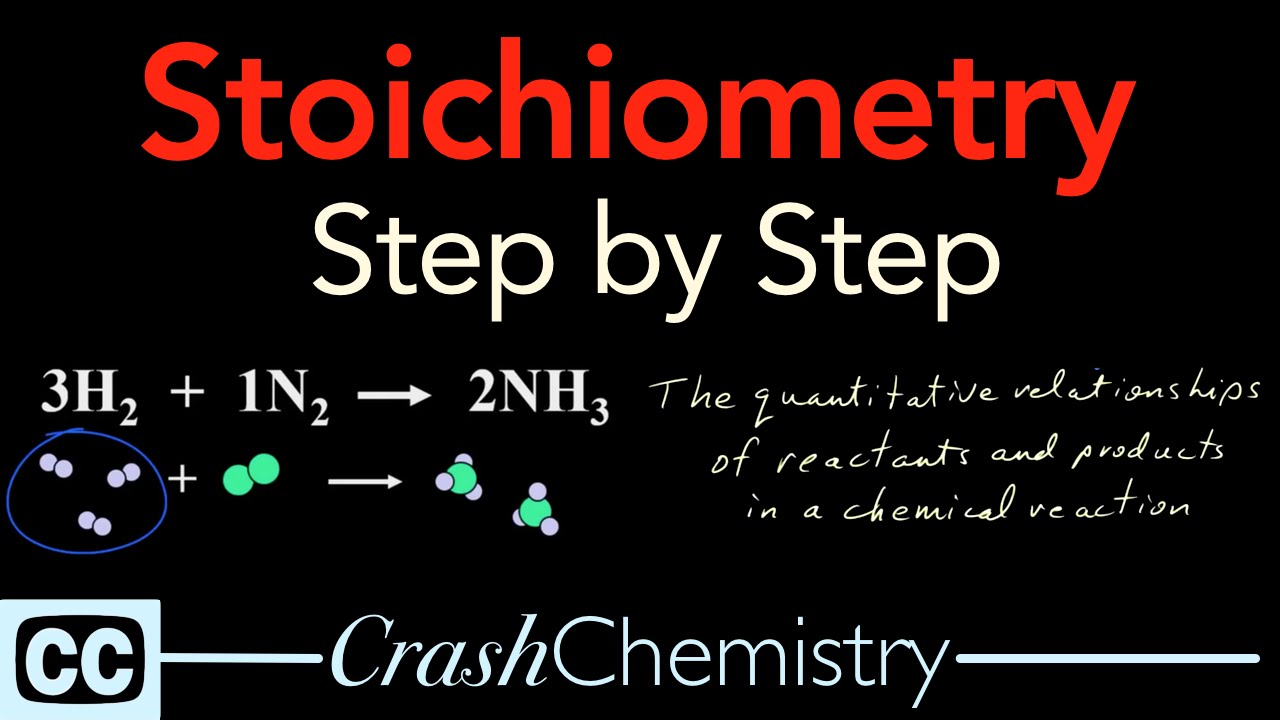
Welcome to our latest tutorial tailored for IGCSE/O Level students, where we dive into the core concepts of stoichiometry. In this comprehensive video, we'll guide you through the mole concept, relative atomic mass, relative molecular mass, and relative formula mass. You'll learn to link the four fundamental relationships of the mole with mass, volume at room conditions, number of particles, and concentration. We will also explore the mole relationships in balanced equations, empirical and molecular formulas, theoretical yield, and percentage composition by mass.
Understanding the Mole Concept:
Join us as we introduce the mole concept, a fundamental unit in chemistry that bridges the microscopic and macroscopic worlds. Learn how to calculate relative atomic mass, relative molecular mass, and relative formula mass, providing a solid foundation for mastering stoichiometric calculations.
Linking the Mole with Mass:
Discover how to relate the mole to the mass of a substance. We'll guide you through various problems, demonstrating how to convert between mass and moles using the molar mass of different substances, enhancing your problem-solving skills and conceptual understanding.
Connecting the Mole with Volume:
Understand how to link the mole to the volume of gases under room conditions. We'll cover how to calculate the volume of gases using molar volume, equipping you with the tools needed to tackle gas-related problems effectively.
Relating the Mole to Number of Particles:
Explore the relationship between the mole and the number of particles. Learn how to use Avogadro's number to convert between moles and the number of atoms, molecules, or ions, reinforcing your grasp of this essential concept.
Tying the Mole to Concentration:
Master the relationship between the mole and the concentration of solutions. We'll explain how to calculate the molarity of solutions, ensuring you can confidently approach concentration-related questions.
Mole Relationships in Balanced Equations:
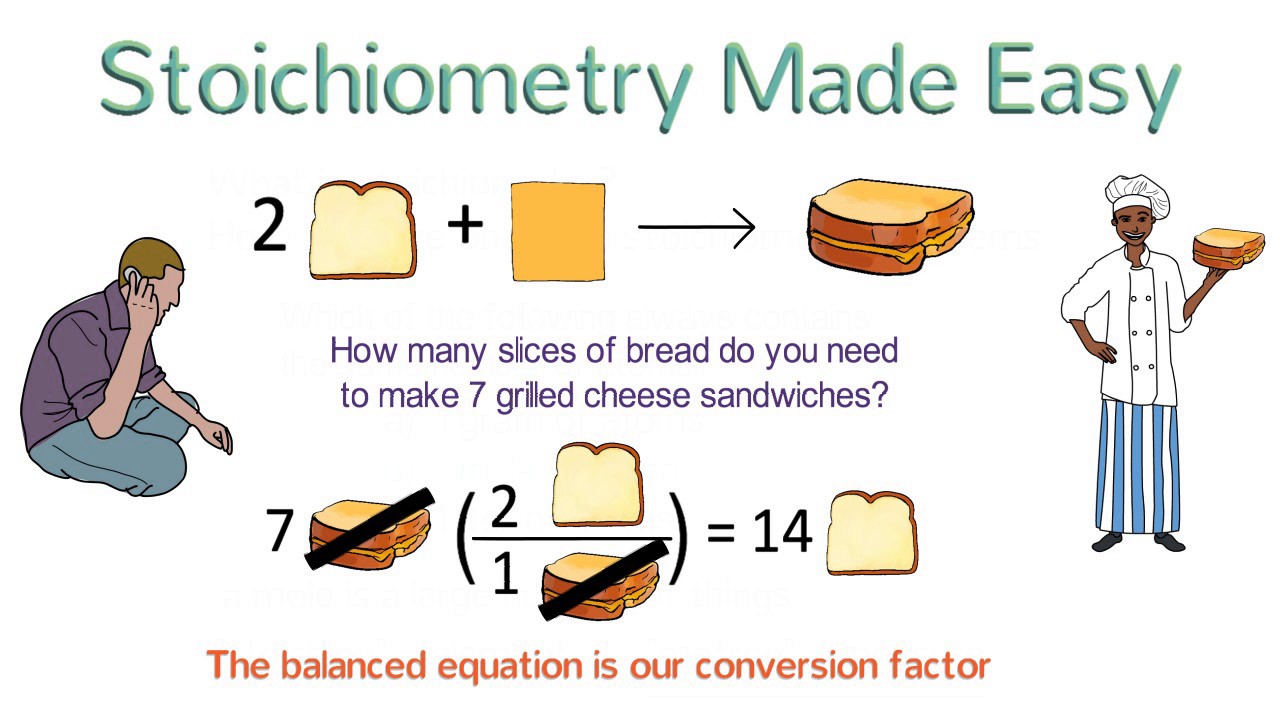
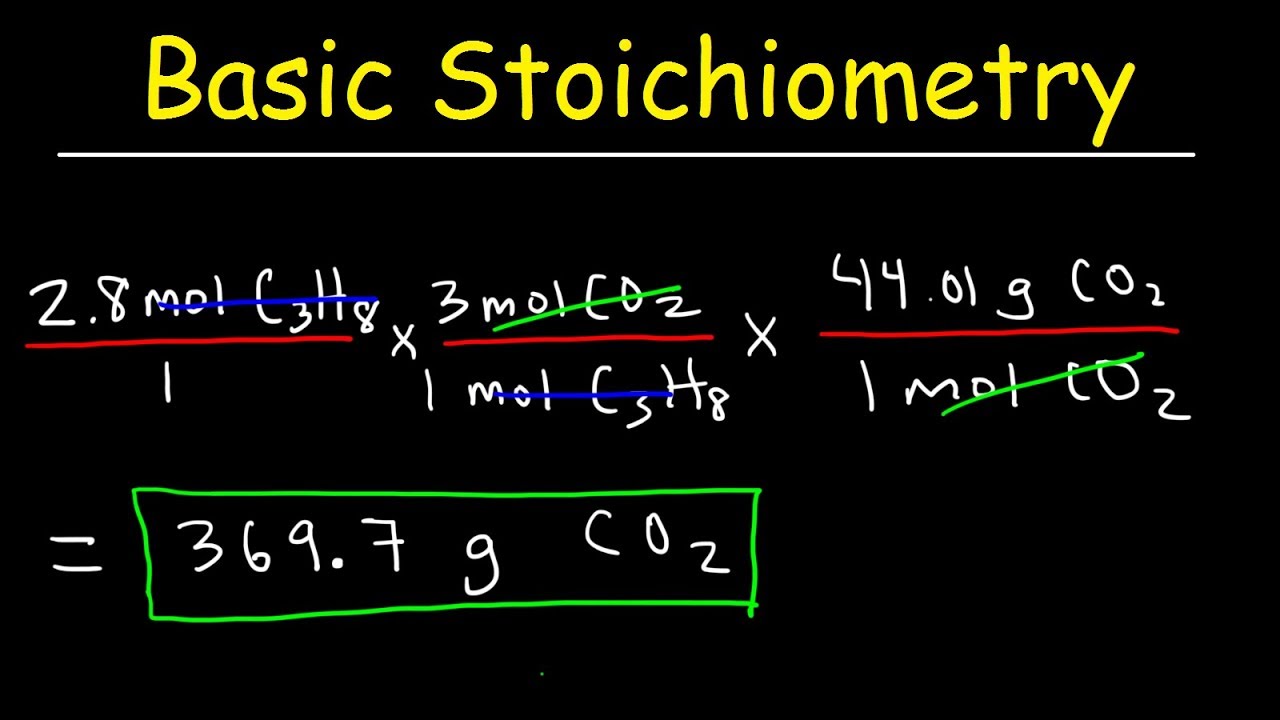
Delve into the stoichiometric relationships in balanced chemical equations. We'll show you how to interpret and use balanced equations to determine the theoretical yield of products, and calculate the mass or volume of reactants needed or products produced, deepening your understanding of chemical reactions.
Empirical and Molecular Formulas:
Learn to determine empirical and molecular formulas from experimental data. We'll guide you through step-by-step examples, helping you to identify the simplest ratio of elements in a compound and its true molecular formula.
Calculating Percentage Yield and Composition:
Understand how to calculate the percentage yield of a reaction and the percentage composition of a compound by mass. These skills are essential for evaluating the efficiency of reactions and understanding the makeup of compounds.
Engaging with IGCSE-Level Problems:
Encounter a variety of IGCSE-level stoichiometry questions, ranging from basic to more challenging scenarios. By practicing different types of problems, you'll deepen your understanding of stoichiometric concepts and sharpen your problem-solving skills.
Join us on this educational journey to master stoichiometry and excel in your exams. Don't forget to like, subscribe, and hit the notification bell to stay updated on our latest tutorials! Empower yourself with the knowledge and skills needed to conquer stoichiometry problems effectively. Let's embark on this journey of chemical mastery!
00:00 intro
00:15 relative atomic mass
01:45 average mass of atoms (isotope situation)
04:25 the mole & its 4 relationships
07:20 mole & mass
08:44 mole & volume
09:06 mole & number of particles
10:28 mole & concentration
11:25 relate reactant & product using mole
16:17 empirical formula & molecular formula
17:11 calculation of empirical formula
20:00 empirical to molecular formula
21:32 percentage yield
22:56 percentage composition by mass
Повторяем попытку...
Доступные форматы для скачивания:
Скачать видео
-
Информация по загрузке:

![GCE's And G10-12 - Full Mole Concept [Stoichiometric calculations]](https://imager.clipsaver.ru/rDu6fgIPxKc/max.jpg)



![ПОВТОРЕНИЕ ХИМИИ IGCSE [Программа 4] - Стехиометрия](https://imager.clipsaver.ru/BG7OZr-TAbQ/max.jpg)