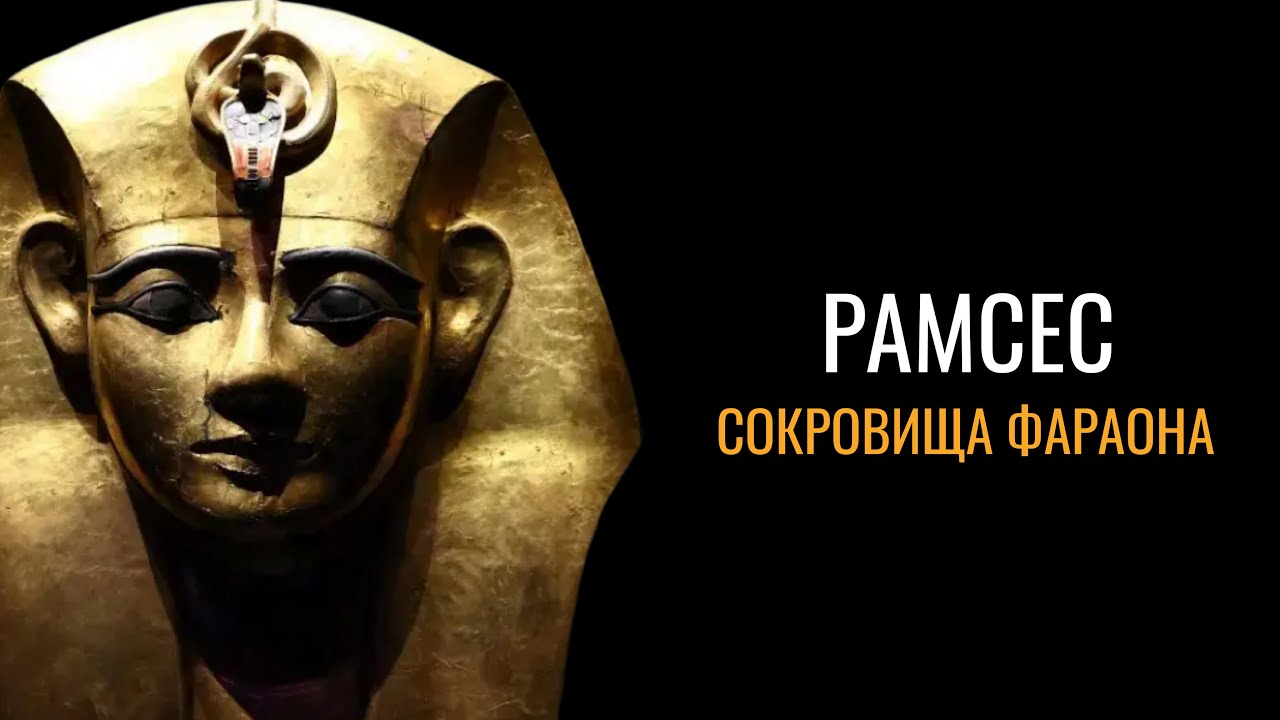
The Nubian Geographic: Enter The Nubian Chamber
Автор: The Nubian Geographic
Загружено: 2024-07-15
Просмотров: 21
Описание:
The Nubian Campaign refers to a series of military and cultural engagements that took place in the region historically known as Nubia, located in what is now southern Egypt and northern Sudan. This region has a rich history that spans several millennia, characterized by the rise and fall of powerful kingdoms, significant cultural exchanges, and notable interactions with neighboring civilizations such as Ancient Egypt.
Here are some key points about the Nubian Campaign and the historical significance of Nubia:
Ancient Nubia
Geography and Early Settlements:
Nubia extends along the Nile River from Aswan in southern Egypt to Khartoum in central Sudan.
Early settlements date back to prehistoric times, with evidence of advanced societies that engaged in farming, trade, and metalworking.
Kingdoms of Nubia:
Kerma (c. 2500–1500 BCE): One of the earliest and most powerful Nubian kingdoms, known for its distinctive pottery and burial mounds.
Kush (c. 1070 BCE–350 CE): Emerged after the decline of Kerma, with capitals at Napata and later Meroë. The Kushite kingdom became a major power, rivaling Egypt at times.
Napata and Meroë: These cities served as capitals during different periods of the Kushite kingdom, known for their impressive pyramids and temples.
Interactions with Egypt:
Nubia had a complex relationship with Ancient Egypt, marked by periods of trade, cultural exchange, and conflict.
Nubian pharaohs ruled Egypt during the 25th Dynasty (c. 744–656 BCE), also known as the "Kushite Dynasty," bringing a period of stability and renaissance.
Military Campaigns:
Nubia was frequently the target of Egyptian military campaigns aimed at securing control over trade routes and resources such as gold.
Famous pharaohs like Aspelta, Thutmose III and Ramses II led expeditions into Nubia, resulting in its incorporation into the Egyptian empire at various times.
Modern Exploration and Archaeology
Rediscovery and Excavations:
Modern interest in Nubia began in the 19th and 20th centuries with archaeological excavations revealing the rich history and cultural heritage of the region.
Key archaeological sites include the temples of Abu Simbel, the pyramids of Meroë, and the ruins of Napata.
Nubian Campaigns in Archaeology:
International efforts, such as the UNESCO Nubian Campaign in the 1960s, aimed to salvage and study Nubian monuments threatened by the construction of the Aswan High Dam.
This campaign led to the relocation of major monuments, including the temples of Abu Simbel and Philae, to higher ground to preserve them for future generations.
Art and Architecture:
Nubian art and architecture are distinguished by their unique styles, influenced by both indigenous traditions and interactions with Egypt.
The pyramids of Meroë and the temples of Napata showcase the architectural prowess of the Nubians.
Language and Writing:
The Nubians developed their own writing system, known as Meroitic, which remains partially deciphered. Nubian languages and culture have persisted through the centuries, contributing to the region's rich cultural tapestry.
#NubianCampaign #AncientNubia #KingdomOfKush #Kerma #Napata #Meroë #NubianPharaohs #NubianHeritage #UNESCOSalvageCampaign #AbuSimbel #PhilaeTemple #MeroiticScript #NubianArt #NubianCulture #Archaeology #NubianMonuments #NileValleyCivilizations #AfricanHistory #AncientEgypt #CulturalPreservation
Повторяем попытку...
Доступные форматы для скачивания:
Скачать видео
-
Информация по загрузке:








![Эффект Джанибекова [Veritasium]](https://imager.clipsaver.ru/N9HlQ-XVnFk/max.jpg)