WRAP Former South African President P.W. Botha dies ADDS more
Автор: AP Archive
Загружено: 2015-07-23
Просмотров: 12607
Описание:
(1 Nov 2006)
FILE: Wilderness - 21 November 1995
1. P W Botha and his wife Elize walking past camera
2. Botha sitting with President Nelson Mandela (UPSOUND: (English) P W Botha: "I am not going to the Truth Commission, I am not going to repent. I am not going to ask for favours. What I did, I did for my country.")
FILE: George - 23 January 1998
3. PW Botha, former South African president, and fiancee arriving by car at George magistrate's court
4. Botha getting out of car, waving to supporters and giving the "thumbs up" sign
5. African National Congress (ANC) supporters behind barbed wire fence
6. Botha entering court room and walking towards press
7. Cutaway of press, pan to Botha
8. SOUNDBITE: (Afrikaans) PW. Botha, Former South African president:
"I am not prepared to apologise for the lawful acts of my government to fight against the onslaught against it."
9. PW Botha and fiancee Reinette Te W Naude outside court
STORYLINE:
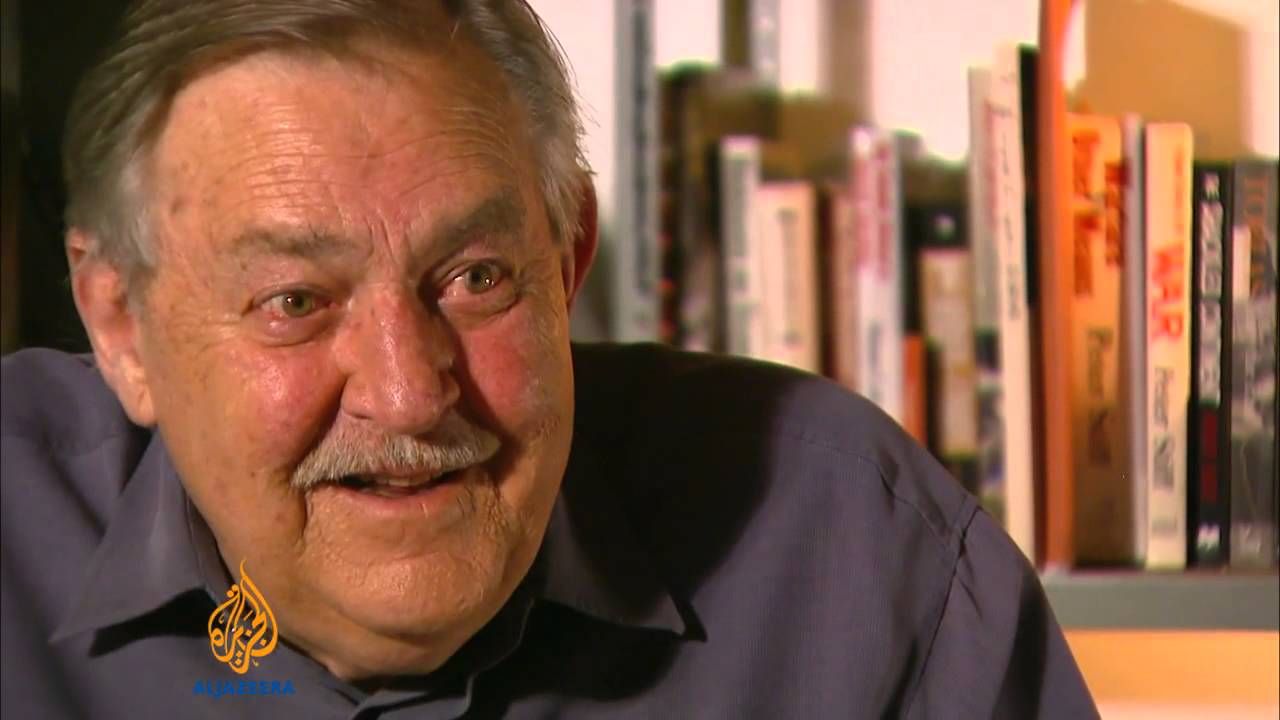
South Africa's last hardline white president P.W. Botha died late on Tuesday, according to the South African Press Association (SAPA).
He was 90 years old.
SAPA quoted security staff at his home on the southern Cape coast as saying that he died at 8 p.m. (1800 GMT) at his home in the village of Wilderness, where he had spent his final years in seclusion from the changes taking place in the new multi-racial South Africa.
P.W Botha led the country through its worst racial violence and deepest international isolation.
Known for his finger-wagging, confrontational style and nicknamed the "Old Crocodile" for his feared temper, Botha served as head of the white-led government from 1978 to 1989.
Throughout his leadership he resisted mounting pressure to release South Africa's most famous political prisoner, Nelson Mandela, who was freed by Botha's successor, F.W. de Klerk, in 1990.
The Truth and Reconciliation Commission, a panel set up by Mandela's government to look into abuses within the country, concluded in 1998 that Botha was guilty of gross human rights violations by ordering killings and bombings.
In December 1997, Botha had stubbornly resisted appearing before a panel investigating apartheid-era crimes.
He risked criminal penalties by repeatedly defying subpoenas from the Truth and Reconciliation Commission to testify about the State Security Council that he headed.
The council was believed to have sanctioned the killing and torture of anti-apartheid activists, and the panel
wanted to know what Botha's involvement was.
Botha liked to depict himself as the first South African leader to pursue race reform, but he tenaciously defended
the framework of apartheid, sharply restricting the activities of black political organisations and detaining more than 30,000 people.
Through a series of liberalising moves, Botha sought support among the Asian and mixed-race communities by
creating separate parliamentary chambers.
He lifted restrictions on interracial sex and marriage. He met with Mandela during his last year as president.
But after each step forward, there was a backlash, resulting in the 1986 state of emergency declaration and
the worst reprisals of more than four decades of apartheid.
Within a year after Botha stepped down, de Klerk released Mandela after 27 years in prison and put South Africa on the road to its first all-race elections in 1994, when Mandela became president.
Born January 12, 1916, the son of a farmer in the rural Orange Free State province, Botha left university in 1935 to become a National Party organiser.
security. He charged that the anti-apartheid struggle was instigated by communist forces.
Find out more about AP Archive: http://www.aparchive.com/HowWeWork
Twitter: / ap_archive
Facebook: / aparchives
Instagram: / apnews
You can license this story through AP Archive: http://www.aparchive.com/metadata/you...
Повторяем попытку...

Доступные форматы для скачивания:
Скачать видео
-
Информация по загрузке: