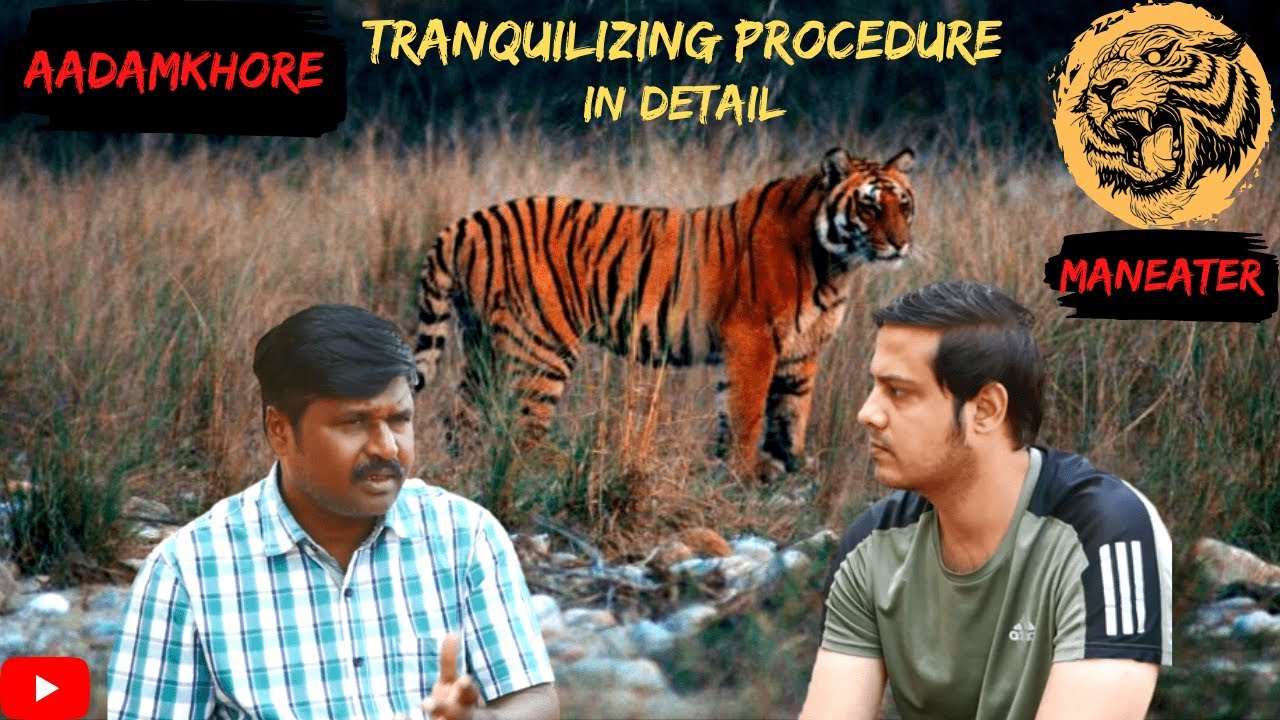
Tigers Ko Tranquilize Kaise Karte Hein? Dr. Ravikant Explains In Detail | Tadoba Andhari |
Автор: ONE MILE AT A TIME....
Загружено: 2023-02-10
Просмотров: 6521
Описание:
How Are Tigers Tranquilized? Dr. Ravikant Explains | Tadoba Andhari |#tiger #tranquilize | Do Watch
Tranquilization Procedure: Tranquilization/antidote drugs, Induction time, Reversal time
Modern immobilizing techniques using the Chemical Restraint method, are more humane methods for handling wild animals that have drastically reduced side-effects of drugs and causalities. Chemical Restraint is a form of animal restraint technique in which a drug or a chemical is used to restrict the movement (walking, running, aggression) of an animal or sometimes just to sedate or calm down.
However, chemical capture may have disadvantages such as occasional failure of the equipment on site, undesirable side effects of drugs in unknown excited or diseased animals, and improper darting of an animal
due to occasional operator’s mistakes. The use of antagonists/antidotes of anesthesia is preferred to avoid undesirable and harmful effects of drugs and for a speedy recovery. As animals do not get immobilized fully with tranquilizers, these are primarily used as adjuncts to Dissociative Anaesthetics for harnessing smoother induction and to reduce the quantity of anesthetic for achieving more effective
immobilization.
In Tadoba, for Chemical Restraint, the tranquilizer drug ‘Xylazine HCL’ (later refer as Xylazine) is used along with the Dissociative anesthetic drug ‘Ketamine HCL’ (later referred to as Ketamine). Ketamine is a non-competitive, centrally acting, dissociative general anesthetic that
provides amnesia, analgesia, and immobility. When combined with xylazine, the combination is regarded as the agent of choice for injectable anesthesia to wild animals. The popularity of ketamine–xylazine (KX) is mainly due to its supplemental effects (that is, analgesic properties, muscle relaxation, and sedation). Although the combination of KX provides relatively safe anesthesia, the whole tranquilization procedure inherits risk.
The name ‘Tranquilization Procedure’ used here includes both chemical restraints by using tranquilizers and anesthetics as well as recovery of animals using antidotes. Similarly, the name ‘tranquilizer drug’ used here will include both the tranquilizer drug ‘Xylazine HCL’ and the anesthetic drug.
Повторяем попытку...
Доступные форматы для скачивания:
Скачать видео
-
Информация по загрузке: